Last updated November 17, 2026
Free written scope consultation - allowances, timeline, and change-order rules on paper before a single trade is scheduled
How to Hire a Construction Contractor in Downey: A Step-by-Step Guide
Most hiring guides tell you to check a license, read reviews, and collect three bids. That advice is fine as far as it goes, but it skips the failures that actually cost Downey homeowners money. The complaint that lands on the California Contractors State License Board most often starts with a permit pulled for the wrong scope, not with crooked tile or a leaky roof. Once the city inspects and finds the work doesn’t match the permit, the homeowner is the party holding the correction bill, and the contractor who filed it has often moved on to the next job. This guide walks you through the pre-signing checks, the contract language, and the questions that separate a contractor who can execute in Downey from one who stalls on the city and blames the process.
Quick Answer
To hire a construction contractor in Downey, verify their CSLB license, bond, and workers’ compensation coverage through the state’s online tools before you talk money, then demand written contract language that names the specific permit type and the party pulling it. Compare bids line by line for material substitutions, and refuse any payment schedule that front-loads more than a modest deposit before work begins. The five-minute license check and the permit clause are the two items that prevent the majority of problems we hear about.
Styles & brands we work with
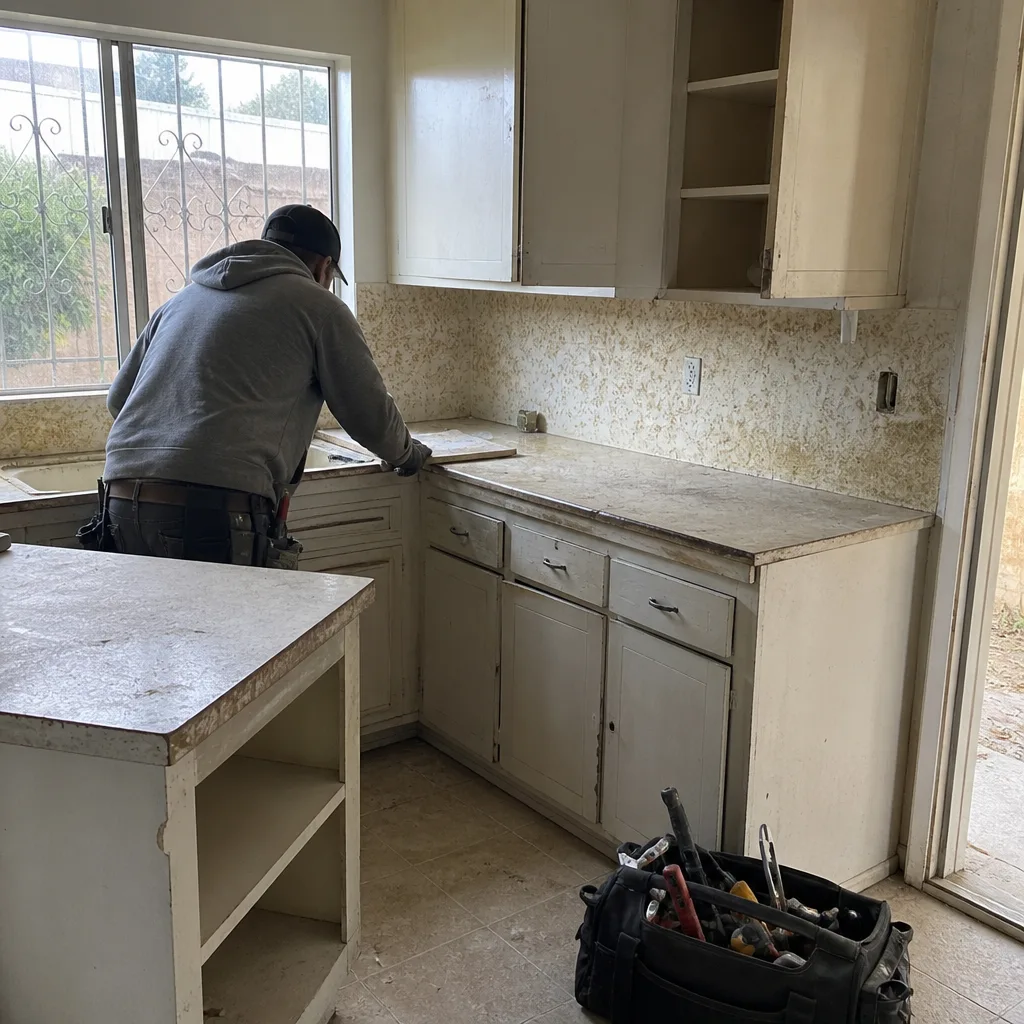
- Kitchen remodeling
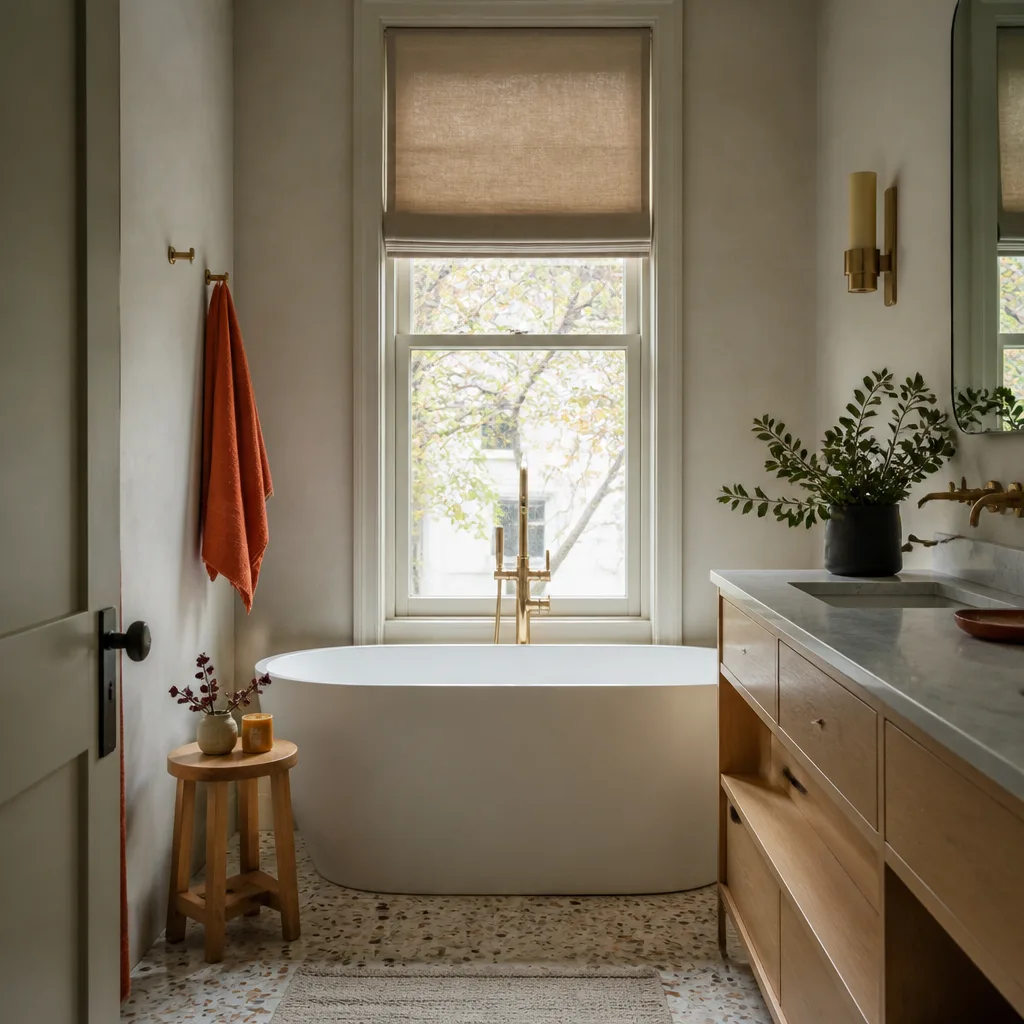
- Bathroom remodeling
- Home additions & ADU
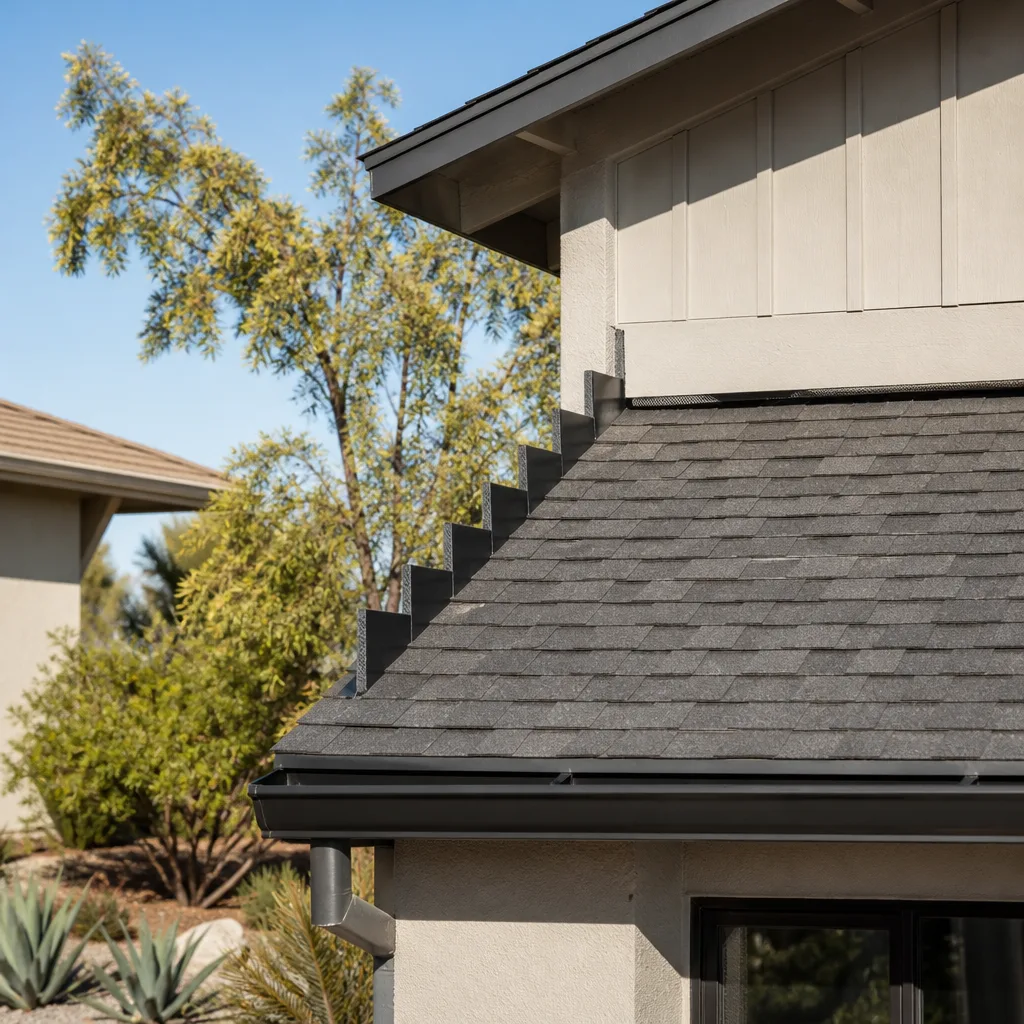
- Roofing
- Windows & doors
- Driveway & pavers
- Fence
Table of Contents
- Step 1: Verify the Contractor’s License, Bond, and Insurance in Under Five Minutes
- Step 2: Get the Permit Responsibility Into the Contract in Writing
- Step 3: Ask the Questions That Reveal Their History With Downey Building & Safety
- Step 4: Compare Bids With a Framework That Exposes Low-Ball Pricing
- Step 5: Read the Payment Schedule Before You Read the Price
- Step 6: Decide Whether You Want Seven Trades or One Accountable Contractor
- Step 7: Insist on Named Materials, Not Descriptive Adjectives
- Step 8: The Final Pre-Signing Checklist
Step 1: Verify the Contractor’s License, Bond, and Insurance in Under Five Minutes
Any contractor working on a project in California that costs $500 or more in labor and materials must hold an active license from the Contractors State License Board. That requirement is not a formality. It is the first thing that separates a legitimate operator from someone who will disappear when the work goes sideways. The check takes less time than a phone call, and it tells you three things nobody’s marketing can fake.
- Go to the CSLB website and search by license number, business name, or the name of the person you’re dealing with.
- Confirm the license status reads “active” and that the classification matches your project. General building contractors carry a B classification; specialty trades carry their own.
- Check the bond and workers’ compensation fields. A legitimate contractor carries a contractor’s bond and either has workers’ comp coverage or is legally exempt because they have no employees.
- Look at the complaint and disciplinary history tab. One old complaint is not a disqualifier. A pattern in the last few years is worth asking about directly.
- Write the license number into your notes and compare it to the number on the written contract before you sign.
If the person you’re talking to gives you a name that doesn’t match the license, or says the license belongs to “the company” while handing you a business card with a different name, slow down. In our experience, license mismatch is the single clearest early warning sign. Ask who will actually pull the permit and whose name appears on it. If the answers don’t line up with the CSLB record, you have your answer before you spend a dollar.
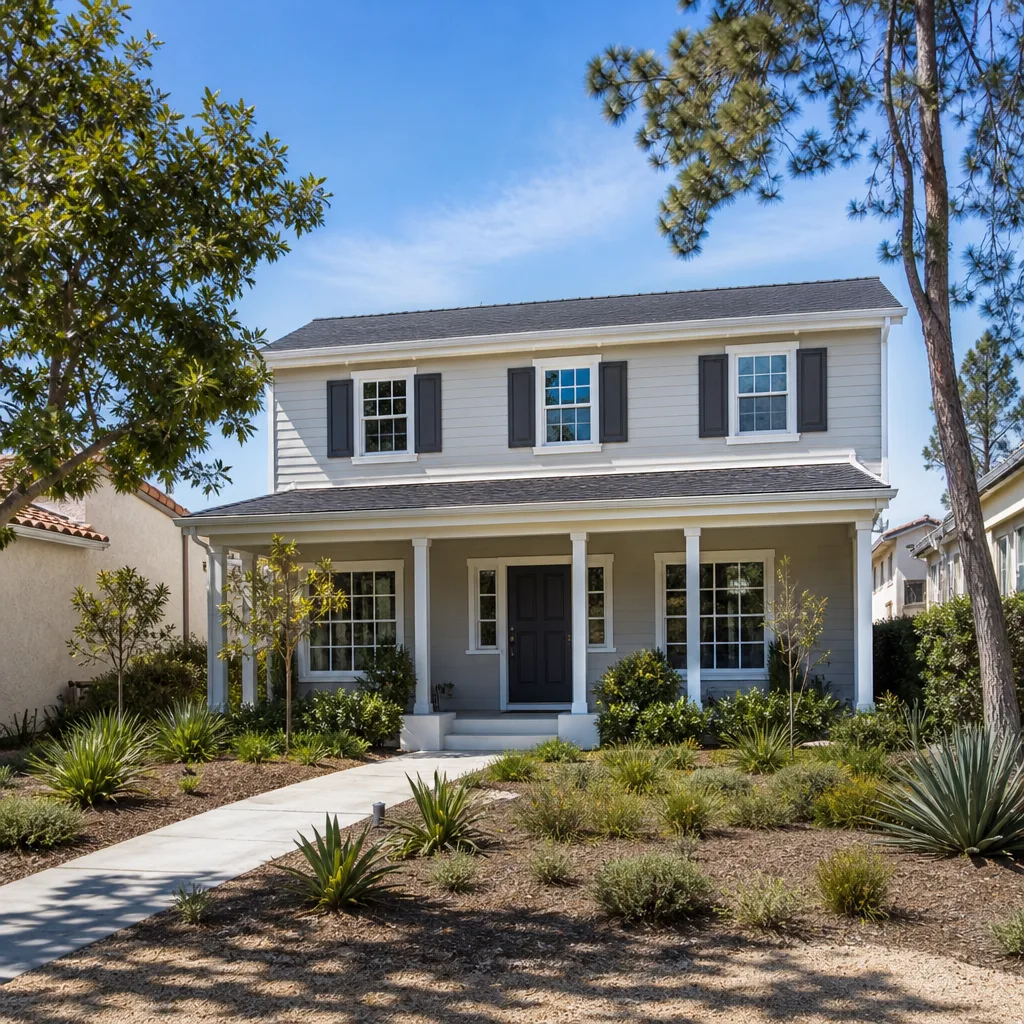
For projects that touch more than one trade, this check becomes more important, not less. A Construction Downey whole-home project that runs from the driveway to the roofline involves multiple scopes under one contract, and the license on file needs to cover the work being done or the contractor needs to be honest about which portions are subbed out.
Step 2: Get the Permit Responsibility Into the Contract in Writing
“We handle permits” is the sentence most often spoken and least often enforced. It sounds reassuring at the kitchen table, but unless it appears in the signed contract with a specific permit type and an identified responsible party, it means whatever the contractor wants it to mean when the city comes knocking. That gap is where the majority of Downey construction disputes begin.
Most cities require a permit for structural work, additions, ADUs, electrical, plumbing, and mechanical changes, and most will not issue a permit for work that doesn’t match the described scope. When the permit category is wrong, the correction falls to the property owner. So the contract has to do three jobs:
- Name the permit type. Not “permits as required” but the specific permit for the specific scope: an addition permit, an ADU permit, a kitchen remodel permit, a re-roof permit if the work is a full tear-off rather than a repair.
- Name the party pulling it. Either the contractor pulls the permit and includes the fee in the contract price, or the homeowner pulls it and the contract says so. No ambiguity.
- Name who pays for corrections. If the inspection finds the work needs to be redone to pass, who bears that cost? The contract should state that the contractor is responsible for bringing permitted work into compliance.
Ask for this in writing before you sign, and read the language that comes back. If the contract says “owner to obtain permits” in one line, and a verbal conversation said the contractor would “take care of it,” the contract wins. Ask the contractor to revise it or walk away. A contractor confident in their permit process will not push back on this clause; it protects them as much as you.
Step 3: Ask the Questions That Reveal Their History With Downey Building & Safety
Every city’s building department has its own habits, its own turnaround times, and its own interpretation of state code on things like ADU setback allowances and second-dwelling standards. Downey is no exception. A contractor who has only worked in neighboring cities will spend the first few weeks of your project learning the local process, and that learning curve shows up as a delay on your timeline, not theirs.
These are the questions that reveal whether a contractor actually has a working relationship with Downey Building & Safety or is hoping the process goes smoothly:
- How many permits have you pulled in Downey in the last two years, and for what scopes?
- What’s the current turnaround on plan review for an addition of this size, and what’s usually the first round of comments?
- Who do you work with at the counter when a plan check comment needs a conversation?
- Which ADU pathway have you taken recently: traditional stick-built, prefab, or both?
- Do you have a specific plan setter or expediter for Downey, or does the process run through your own office?
Listen for specific, lived-in answers. “They’re slow over there” is a bad sign. So is any response that reveals the contractor doesn’t know who issues permits in this city or hasn’t recently completed an addition or ADU through Downey’s review process. A confident contractor knows the plan-check back-and-forth and will describe it plainly.
If your project is a home addition or ADU, that check becomes central. A contractor who has only built traditional additions and has never worked with a prefab manufacturer will not be able to explain the tradeoffs. Construction Downey handles both pathways under the same contract, using home additions & ADU work that spans traditional stick-built construction and prefab systems from manufacturers like Abodu, Dvele, Mighty Buildings, Boxabl, and Plant Prefab. Ask any contractor you interview which of those approaches fits your lot, your timeline, and your budget, and see whether the answer is a genuine recommendation or a single-track pitch.
Step 4: Compare Bids With a Framework That Exposes Low-Ball Pricing
Comparing bids by total price is the fastest way to get burned. Three contractors can quote wildly different numbers for the “same” kitchen remodel, and the reason is rarely that one is better at their job. The reason is that the low bid has either substituted materials, left line items out, or is counting on change orders to close the gap later. The bid framework below forces every number into the open.
- Line-item everything. Reject bids that present a single lump sum. A proper bid lists demolition, framing, plumbing rough-in, electrical, drywall, cabinetry, countertops, tile, fixture installation, painting, and cleanup as separate lines with quantities.
- Match material names line by line. A bid that says “quartz countertops” is not the same as a bid that names Cambria, Silestone, or Caesarstone. A roofing bid that says “architectural shingle” is not the same as one that names GAF, CertainTeed, or Owens Corning. Name-for-name comparison catches substitution before it happens.
- Compare exclusions. Every bid should list what it does not cover. Permits, hauling, dumpster, temporary power, and finish paint are the items most often quietly excluded from a low bid.
- Compare the schedule. A bid that promises eight weeks on a fifteen-week job at the same price is priced to the wrong scope. Ask for weeks-by-trade scheduling.
- Compare the change order process. Every contract allows change orders. What matters is the process: who approves them, in writing, at what price, before work proceeds. Bids that leave this vague are priced to recover money through change orders.
When you’ve compared line by line, low bids stop looking like bargains. A bid $15,000 below the others, with tile unspecified, plumbing fixtures unnamed, and no line for dumpster or permits, is a project that will land near the middle of the pack once those items are added back in. The written estimate should set the final price, and any contractor worth hiring will put that in writing alongside the line items.
Step 5: Read the Payment Schedule Before You Read the Price
The payment schedule tells you more about a contractor’s financial health than a credit check ever will. A contractor asking for 50% down before the first nail is driven is a contractor with a cash flow problem, and cash flow problems are what turn a slow project into a stalled one. That’s not a reflection on their skill; it’s a reflection on whether your deposit is funding your project or funding theirs.
Here’s the shape of a legitimate payment schedule for a residential project, versus the structure that should stop you in your tracks:
| Milestone | Legitimate schedule | Red-flag schedule |
|---|---|---|
| Contract signing | Modest deposit, typically no more than 10% or enough to cover materials ordering and permits | 30%, 40%, or 50% down |
| Demolition complete | First progress payment per the schedule | No payment until project is “well underway” |
| Rough-in complete (framing, electrical, plumbing) | Payment tied to inspection milestone | Payment tied to calendar weeks, not milestones |
| Drywall and finishes underway | Multiple payments tied to specific trades completion | Large lump sum due “on substantial completion” |
| Final inspection passed | Final payment held until punch list is closed | Final payment due before inspection |
Three things to insist on. First, every payment should be tied to a milestone you can see with your own eyes or a document you can read (an inspection card, a photo, a signed delivery slip). Second, the deposit should be small enough that if the contractor walks away, you aren’t the one funding the loss. Third, the last payment should be large enough to matter, typically 10% or so, held until the punch list is signed off and the final inspection has passed. Any contractor who resists those three terms is telling you something about how they run their business.
Step 6: Decide Whether You Want Seven Trades or One Accountable Contractor
Most Downey homeowners we talk to are not running one project. They’re running three: a kitchen that needs to be functional before the school year starts, a driveway that has been cracking for a couple of seasons, and a fence that took a hit in the last storm season. Getting those done through three separate contractors means three schedules, three payment streams, three sets of warranty terms, and a coordination tax that shows up as missed days on every one of them.
The alternative is a single contractor who can handle the full scope under one contract. That means roofing, windows and doors, fencing, driveways and pavers, home additions and ADUs, kitchen remodeling, and bathroom remodeling, all coordinated by one team with one schedule. The move isn’t right for every homeowner; a homeowner replacing a single window and nothing else may not need it. But for anyone running a renovation that touches more than one trade, the coordination overhead of separate contractors is often the largest hidden cost in the project.
If a full-scope approach fits your plans, ask the contractor directly how they sequence a driveway alongside a fence alongside kitchen cabinetry. A contractor who can only do one trade will tell you to hire separately. A contractor who can do all of them will describe the sequencing without hesitation. For projects specifically centered on paving, driveway & pavers work done by the same crew that later installs the fence lining the property is a cleaner sequence than trying to coordinate two schedules around a shared corner.
Step 7: Insist on Named Materials, Not Descriptive Adjectives
“High-end finishes” and “top-of-the-line products” are the two phrases that should make you reach for your pen. They mean nothing, they’re used by every contractor in the market, and they give you no basis for holding anyone to a standard. What you want on the contract is brand names, product lines, and model numbers where relevant.
Here’s what that discipline looks like across the trades a Downey project typically involves:
- Countertops: a lineup that spans Cambria, Silestone, and Caesarstone, not “quartz” as a general category. Each of those brands has its own slab sizes, edge profiles, and durability standards, and the price difference between them is a real number.
- Roofing: a bid that names GAF, CertainTeed, or Owens Corning carries three of the most widely warranted roofing systems in the residential market. A bid that names nothing carries whatever the supply house had that week.
- Plumbing fixtures: names matter here because warranties are filed to the fixture. Kohler, Moen, Toto, and Grohe each handle warranty claims differently. Pick from a named portfolio and your plumbing warranty has a phone number attached to it.
- Cabinetry: KraftMaid and Wellborn are among the most specified cabinet lines in professional kitchen work, and for a reason: they’re cataloged, orderable, and backed by manufacturer documentation that supports warranty claims.
- Fencing: aluminum from Ameristar or Jerith, vinyl from Bufftech, and ornamental from Barrette or Master Halco each come with different wind ratings, warranty terms, and installation requirements. The material should follow the need, not the contractor’s inventory.
- Pavers: Belgard, Unilock, Techo-Bloc, Tremron, and Cambridge Pavers supply engineered paver systems, not commodity concrete products, and the difference in installation stability over a Downey winter is real.
- Siding: James Hardie fiber cement is the durability benchmark for exterior cladding in residential markets, and asking whether a contractor has installed it before is a fair question.
Ask the contractor to name the specific brand and product line for each major item in the bid before you sign. Vague material language in a bid is the single most reliable predictor of a substitution during the project.
For fence work specifically, the material category should follow the function and the property line. A wood-fence estimate that converts to vinyl at installation is a bait and switch, and it starts at the estimate stage with vague wording. A proper fence installation estimate names the material family, the manufacturer, and the post depth, because those are what determine whether the fence lasts through the wind we get in Downey.
Step 8: The Final Pre-Signing Checklist
Before you sign anything, run through this list one last time. Every item on it is a fact you can verify, not a promise you have to trust.
- CSLB license number verified online, active, with the correct classification.
- Contractor bond and workers’ comp status confirmed through the CSLB listing.
- Certificate of insurance for general liability, with the policy dates current.
- Written contract that names the specific permit type and the party responsible for pulling it.
- Line-item bid with brand names for countertops, roofing, plumbing fixtures, cabinetry, pavers, and fencing.
- Payment schedule tied to milestones, with a modest deposit and a meaningful final payment.
- Change order process in writing, with the price agreed before work proceeds.
- Workmanship warranty in writing, with the duration, what it covers, and how claims are made.
- Written estimate binds the price. Any language that allows the price to float without written change orders should be removed before signing.
- Copy of everything retained in a folder you can access when needed.
Most of these checks can be done in an afternoon. The one that matters most is the last: whether the contractor’s paperwork and conversation match. When they don’t, the paperwork wins.
Common Mistakes to Avoid
- Signing a bid that names no materials. “Quartz countertops” is not a specification. It’s an invitation for the supplier of the week. A real bid names Cambria, Silestone, or Caesarstone; a real roofing bid names GAF, CertainTeed, or Owens Corning.
- Trusting a verbal “we handle permits.” The permit clause is the most-disputed clause in Downey construction contracts, and verbal assurances vanish the moment the city finds a permit scope mismatch. Get it in writing or don’t sign.
- Accepting a bid without exclusions listed. If the bid doesn’t say what’s excluded, it’s what isn’t priced yet. Permits, hauling, dumpster, temporary power, and final inspection fees are the usual suspects, and the surprise lands on you.
- Reading reviews without reading the CSLB listing. Reviews reflect completed work. The CSLB reflects disciplinary history, bond status, and complaint patterns. Both matter, but only one is a public record.
- Ignoring the wrong contractor for the wrong scope. A specialty contractor for a single window is right. A specialty contractor running an addition, a kitchen, and a driveway simultaneously is a coordination liability you’ll feel within the first two weeks.
- Paying ahead of milestones. A contractor asking for 50% down before work begins is not a contractor with a cash flow plan. The deposit should cover materials and permits, not fund the next client’s project.
- Skipping the ADU pathway question. Prefab and traditional stick-built ADUs are both valid, but the contractor needs to explain the tradeoffs honestly. A contractor who has only built one type will advocate for what they know, not what your lot needs.
See the difference
 Before
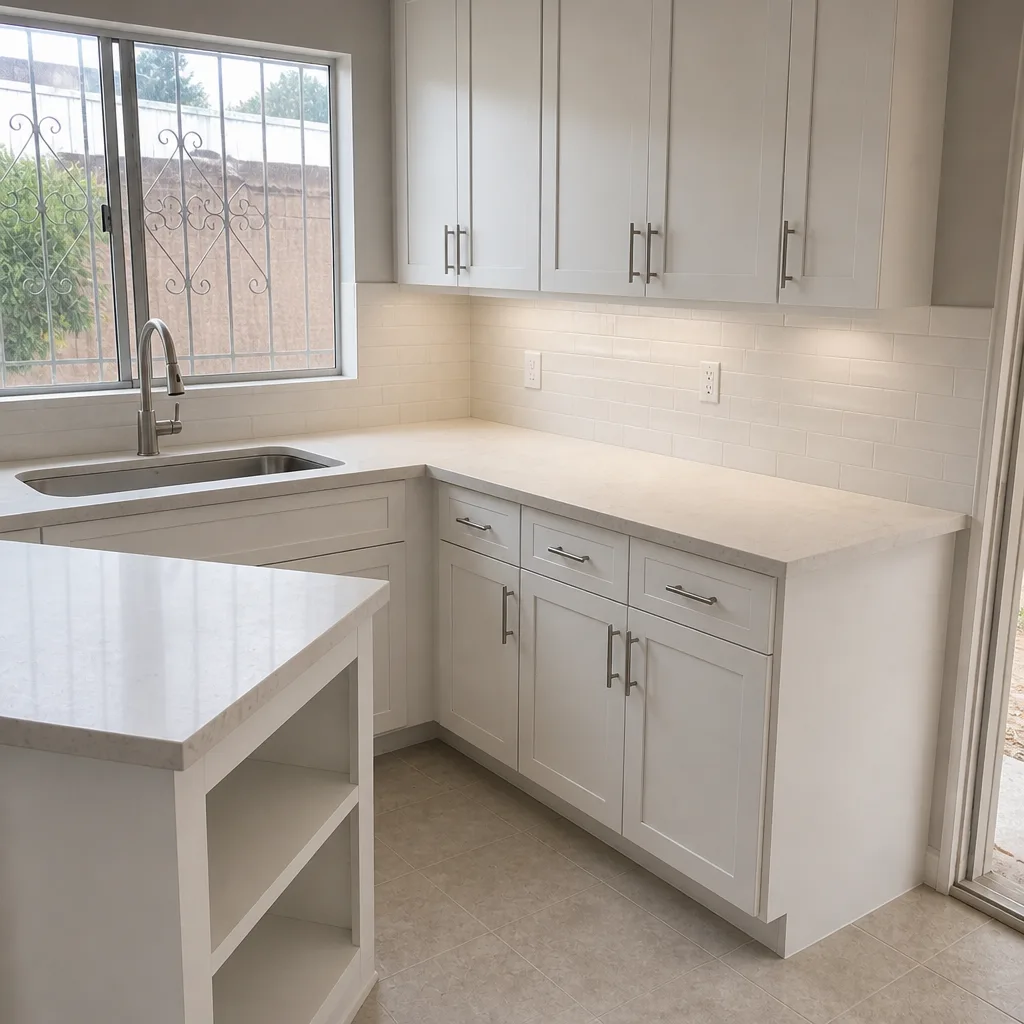 After
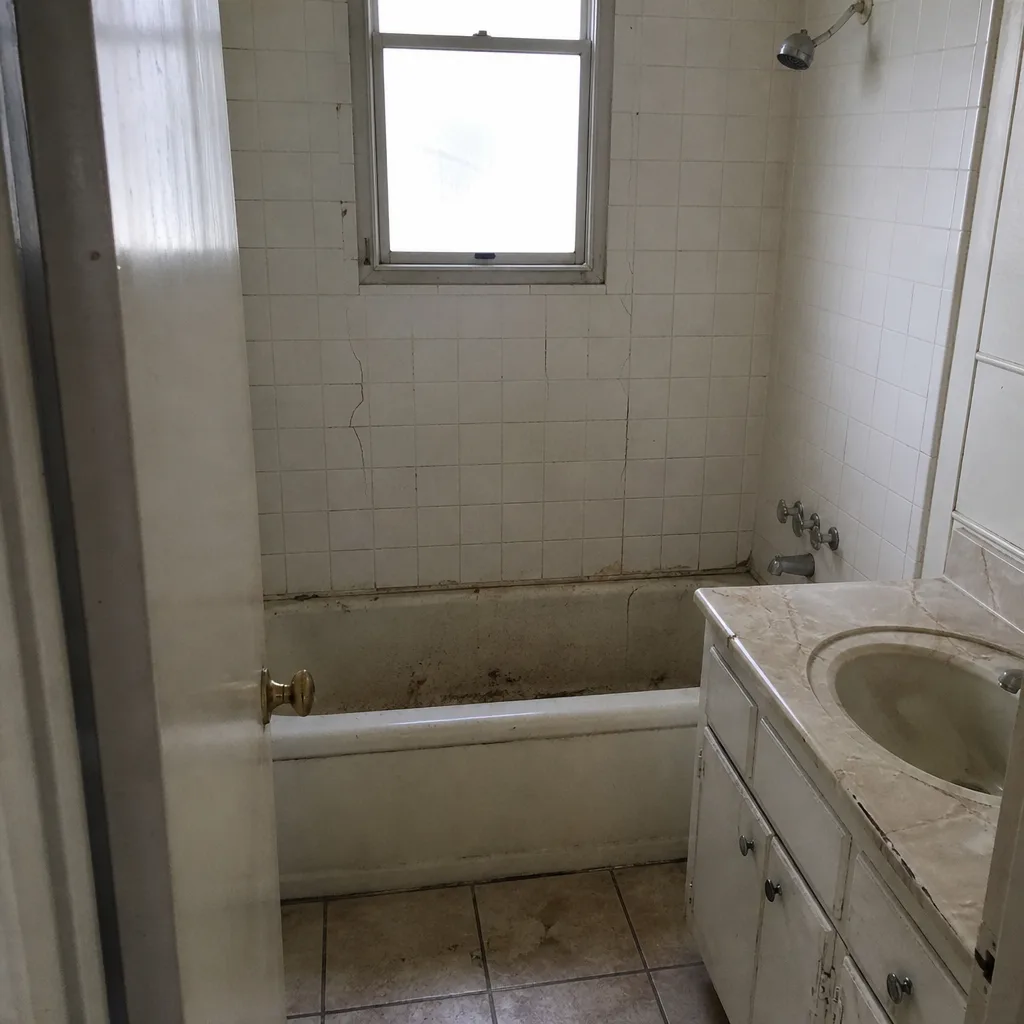 Before
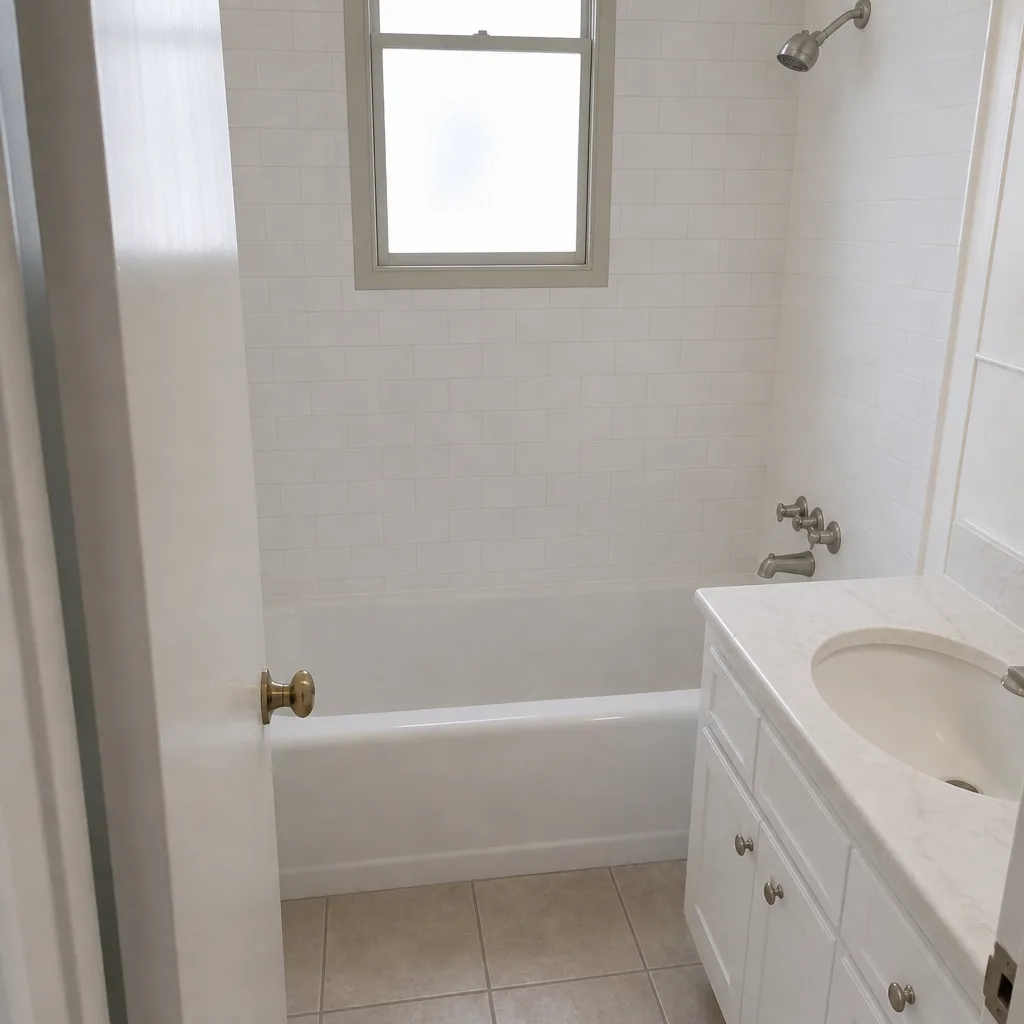 After
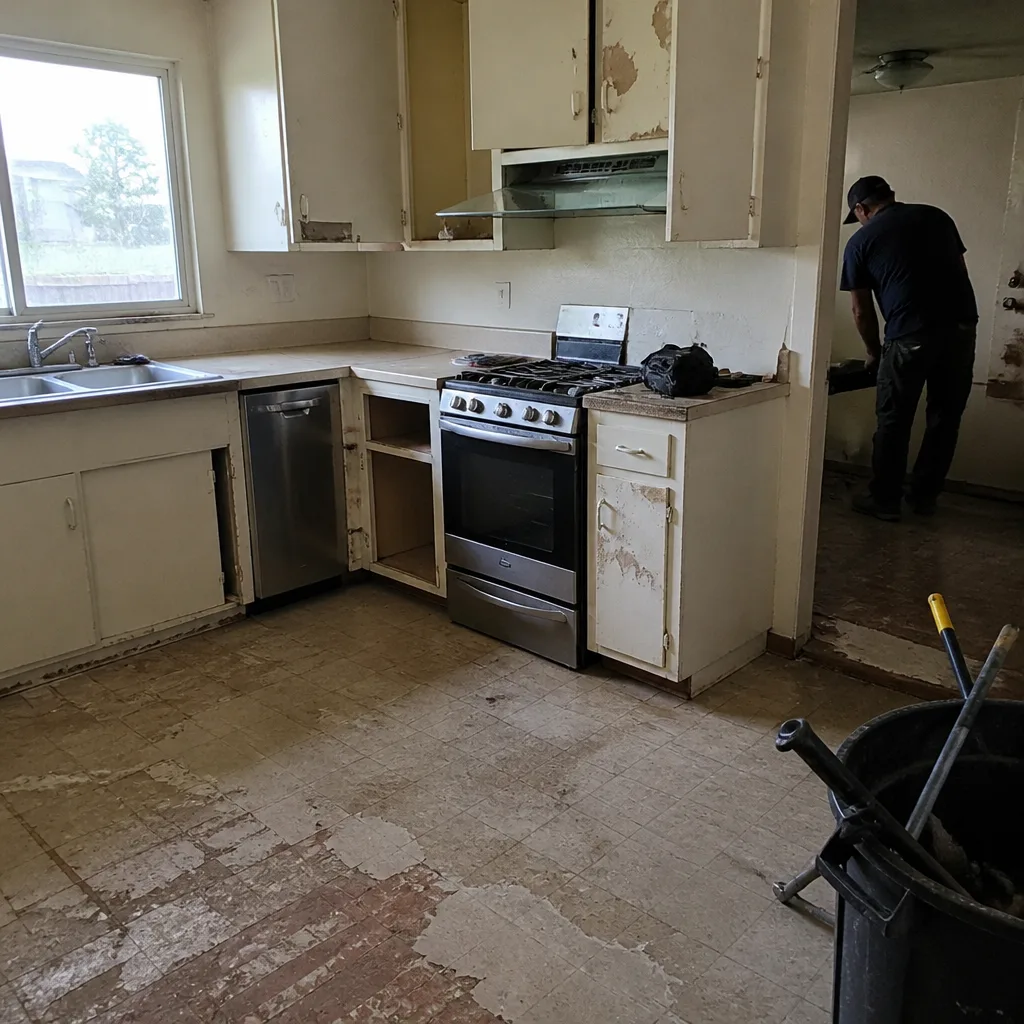 Before
 After
When to Call a Professional
Some projects run past the point where a homeowner should be coordinating contractors alone. Adding a second dwelling unit to a Downey lot, converting a garage into a living space, or running a multi-trade renovation across a kitchen, a bathroom, and a driveway all involve permit sequencing that a wrong step can tie up for months. Roof work, window and door replacement, and anything that touches the building envelope carry their own inspection sequence. Fences and driveways are lower-risk on permits but higher-risk on material specification and installation detail. If your project touches more than one trade, or if the permit scope is unclear, that’s the moment to bring in one accountable contractor rather than trying to coordinate separately. Construction Downey offers free estimates in Downey, with written line-item quotes and permit work pulled with inspection passed. Call (844) 312-0107 to schedule yours. We answer 24/7. Fast dispatch from 7am to 7pm, Sunday through Friday.
Frequently Asked Questions
Residential construction contractor pricing in Downey varies widely by project scope. Kitchen remodels, home additions, roof replacements, driveway installations, fence projects, and bathroom remodels each carry their own cost structure, and the price is set per job by the written estimate. There’s no meaningful average because a bathroom update and an ADU addition are not the same category of work. The written line-item estimate you receive binds the price for the scope described; anything outside that scope runs through a written change order. Call (844) 312-0107 for an exact quote. Estimates are free.
Look up the contractor’s license number on the Contractors State License Board website before you sign anything. The listing shows the license status, classification, bond, workers’ compensation coverage, and any disciplinary history or complaints. Compare the license number on the CSLB record to the one on the written contract. If they don’t match, don’t sign.
Either arrangement is legal, but the contract must state which party is responsible and name the specific permit type. The safest structure for most homeowners is one where the contractor pulls the permit and includes the permit fees in the contract price. Verbal assurances that “we handle permits” are not enforceable unless they appear in the written contract.
A legitimate payment schedule ties each payment to a milestone, keeps the deposit modest (typically around 10% or enough to order materials and pull permits), and holds the final payment until the punch list is closed and the final inspection has passed. Avoid any structure that front-loads 30% or more before work begins, and avoid final payments due before inspection.
The price on the written estimate is the price for the scope described, provided the contractor has done a proper site assessment and the contract includes a written change order process. Changes outside that scope (discovered damage, requested upgrades, code corrections during inspection) run through written change orders at prices agreed before the work proceeds. If the price floats without change orders, the estimate isn’t binding. Call (844) 312-0107 for an exact quote. Estimates are free.
Timeline depends entirely on scope and permit review. A fence or driveway is generally measured in days to a couple of weeks of on-site work. A kitchen or bathroom remodel typically runs weeks, with the permit review adding time before construction begins. A home addition or ADU runs months, and Downey plan-review turnaround affects the schedule as much as construction time does. Ask for a weeks-by-trade schedule in writing before you sign. Call (844) 312-0107 to talk through your project’s scope. Estimates are free.
Yes, and prefab is a legitimate pathway alongside traditional stick-built construction for an ADU in Downey. The right choice depends on your lot, your timeline, and your budget. Prefab systems from manufacturers like Abodu, Dvele, Mighty Buildings, Boxabl, and Plant Prefab can shorten the on-site construction window, while traditional stick-built gives you more design flexibility. A contractor with experience in both pathways can explain the tradeoffs plainly rather than pushing the one they’ve already built.
The Bottom Line
The most common Downey construction failure isn’t a bad install; it’s a contractor with the wrong permit for the scope, leaving the homeowner holding the correction bill. The license check and the written permit clause prevent most of that. Line-item bids with named materials prevent the next layer of problems, which is substitution and hidden exclusions. Milestone-based payment schedules prevent the third, which is a stalled project funded by your deposit. Get those four pieces right before you sign, and everything else follows. From the driveway to the roofline, one accountable contractor handling the full scope beats trying to coordinate seven specialists. Call (844) 312-0107 to schedule a free estimate, with written line-item quotes and permits pulled. We answer 24/7. Fast dispatch from 7am to 7pm, Sunday through Friday.
Written by the team at Construction Downey.