Last updated November 17, 2026
Free written scope consultation - allowances, timeline, and change-order rules on paper before a single trade is scheduled
The Complete Driveway & Pavers Guide for Downey Homeowners
Most driveway failures in the LA basin don’t start at the surface. They start six inches below it, where Downey’s expansive clay soil swells against a base that was never engineered for it. The homeowner blames the pavers or the concrete. The real problem is the subgrade. That single fact changes every decision that follows: which material you choose, how deep the base goes, how the joints are sealed, and how much the whole thing actually costs over ten years rather than on install day. In this guide, we walk through each material honestly under Downey’s UV index and 100°F+ summer conditions, explain what LA County stormwater rules mean for your property, and lay out the installation sequence that separates a driveway that lasts from one that looks good for two summers.
Quick Answer
A driveway in Downey should be built on an engineered base designed for expansive clay soil, typically deeper than what works in sandy coastal areas, and finished with a material that holds up to intense summer UV and heat. Interlocking pavers from brands like Belgard, Unilock, or Techo-Bloc give the best long-term value when installed over a proper base, because they flex with soil movement instead of cracking under it. Concrete and asphalt cost less upfront but demand more repair over ten years in this climate.
Styles & brands we work with
- Kitchen remodeling
- Bathroom remodeling
- Home additions & ADU
- Roofing
- Windows & doors
- Driveway & pavers
- Fence
Table of Contents
- Why Downey’s Clay Soil Changes Everything
- Material Comparison: Concrete, Asphalt, Pavers, and Exposed Aggregate
- How Heat and UV Affect Each Surface
- Permeable Pavers and LA County Stormwater Rules
- What a Proper Paver Installation Sequence Looks Like
- Calculating True 10-Year Cost
- Sealing, Repair, and Routine Maintenance
- How to Choose a Driveway Contractor in Downey
Why Downey’s Clay Soil Changes Everything
Downey sits on expansive clay soil, and that one fact controls how a driveway must be built. When clay gets wet, it swells. When it dries under the summer sun, it shrinks. That movement repeats every year, and a driveway built on a base designed for sandy ground can’t absorb it. The surface cracks, heaves, or settles unevenly, and the homeowner assumes the concrete or pavers were bad. They usually weren’t. The base was too shallow and too loose for the soil beneath it.
On coastal LA lots where the ground is sandier and more stable, a thinner base often gets away with it. Downey isn’t that ground. The engineered base here needs more depth, proper compaction in lifts, and a compactable aggregate that drains rather than traps water against the clay. Skip that and you’ve built a surface on a moving floor.
What that means in practice:
- Base depth is set by the soil conditions on your lot, not a one-size number pulled from a generic spec sheet.
- Compaction happens in stages, with each lift tested before the next goes down.
- A separation geotextile between subgrade and base aggregate can keep fine clay particles from migrating up into the base and weakening it.
- Drainage away from the slab or paver field matters more than most homeowners expect, because trapped water is what drives the swelling.
This is the part of a driveway project homeowners never see and contractors sometimes skip. It’s also the part that decides whether the driveway lasts. To see how we approach this specifically, look at our driveway & pavers work.
Material Comparison: Concrete, Asphalt, Pavers, and Exposed Aggregate
Each of the four main driveway materials available in Downey behaves differently under heat, UV, and clay movement. Here’s how they stack up side by side on the factors that actually matter here.
- Poured concrete – Lowest upfront cost, smooth finish, familiar. Cracks under clay movement unless the slab is properly reinforced and jointed. Hard to repair invisibly; a crack repair tends to show. Surface can spall under intense heat over time.
- Asphalt – Lower install cost than pavers, flexible enough to handle some soil movement. Softens in extreme heat, fades under UV, and needs periodic sealcoating to stay protected. Not the best choice for a sun-exposed Downey driveway that takes heavy summer load.
- Interlocking pavers – Higher upfront cost, best long-term performance. Each unit flexes with minor soil movement instead of cracking as a slab. A damaged paver can be lifted and replaced without touching the rest. Brands like Belgard, Unilock, Techo-Bloc, Tremron, and Cambridge Pavers make engineered systems with defined base and joint specs, not commodity concrete blocks.
- Exposed aggregate – Textured, slip-resistant finish poured like concrete but with the top layer washed to reveal stone. Looks good and hides dirt, but shares concrete’s tendency to crack under clay movement. Best when the base is engineered correctly and joints are placed thoughtfully.
For Downey homeowners weighing a whole-home upgrade at the same time, one contractor can coordinate the driveway alongside fence installation and other exterior work, so material and finish choices read as one plan instead of four separate purchases.
How Heat and UV Affect Each Surface
Downey summers regularly push past 100°F, and the UV load on a south- or west-facing driveway is relentless. Each material responds to that differently, and the differences compound over years.
Concrete handles heat well but spalls at the surface when it’s poured too wet or finished too early, and the intense sun accelerates that. Asphalt softens and can rut under heavy vehicles on hot days, and the sun bleaches its binder over time, which is why sealcoating comes up so often. Interlocking pavers are colorfast when they come from an engineered line, and the joints between them allow for slight thermal movement. Exposed aggregate falls in the concrete category, but its textured surface runs cooler than smooth concrete and shows less of the fading that plagues other finishes.
The practical takeaway: heat and UV don’t just affect appearance. They affect how often the material needs maintenance and how much of that maintenance costs money. A material that fades badly under UV looks older faster, even if it’s structurally sound.
Permeable Pavers and LA County Stormwater Rules
Permeable pavers are increasingly relevant in Downey because LA County stormwater rules are tightening around how much runoff residential properties can send to the street and storm drain. A conventional driveway is essentially a waterproof sheet of pavement that pushes every drop of rain off the property at once. A permeable paver system is designed to let water pass through the joints and into a drainage layer beneath, slowing and treating runoff on-site.
That design has two benefits for a Downey homeowner. First, it helps satisfy the county’s direction toward on-site retention and low-impact development. Requirements vary by project and jurisdiction, so it’s worth confirming what applies to your lot with the city’s building department before design starts. Second, a permeable system’s base is engineered for drainage from the ground up, which means the base prep and the stormwater question solve each other.
Not every paver works as a permeable system. The open-graded base and the specific paver units are designed as a set. If you’re considering permeable pavement, treat it as a system decision, not a product swap. For homeowners planning the full exterior, the driveway, fence installation, and other hardscape can be designed to work together around drainage.
What a Proper Paver Installation Sequence Looks Like
A paver driveway lives or dies by the sequence. Here is the full process from subgrade to finished joint, with the steps most single-trade crews skip flagged in bold.
- Evaluate the subgrade. Test the soil on the lot. Clay-heavy ground needs a different base depth and drainage design than sandy ground. A crew that skips a soil check is guessing.
- Excavate to the engineered depth. The depth is set by the soil conditions and the load the driveway will bear, not by the height of the finished surface.
- Compact the subgrade. The soil surface gets compacted before any base goes down. This step is often skipped entirely.
- Lay a separation geotextile where needed. This keeps clay fines from migrating into the base aggregate and weakening it over time.
- Install the base aggregate in compacted lifts. Base goes down in layers, each compacted before the next. A crew that dumps all the base and compacts the top once has not compacted the base.
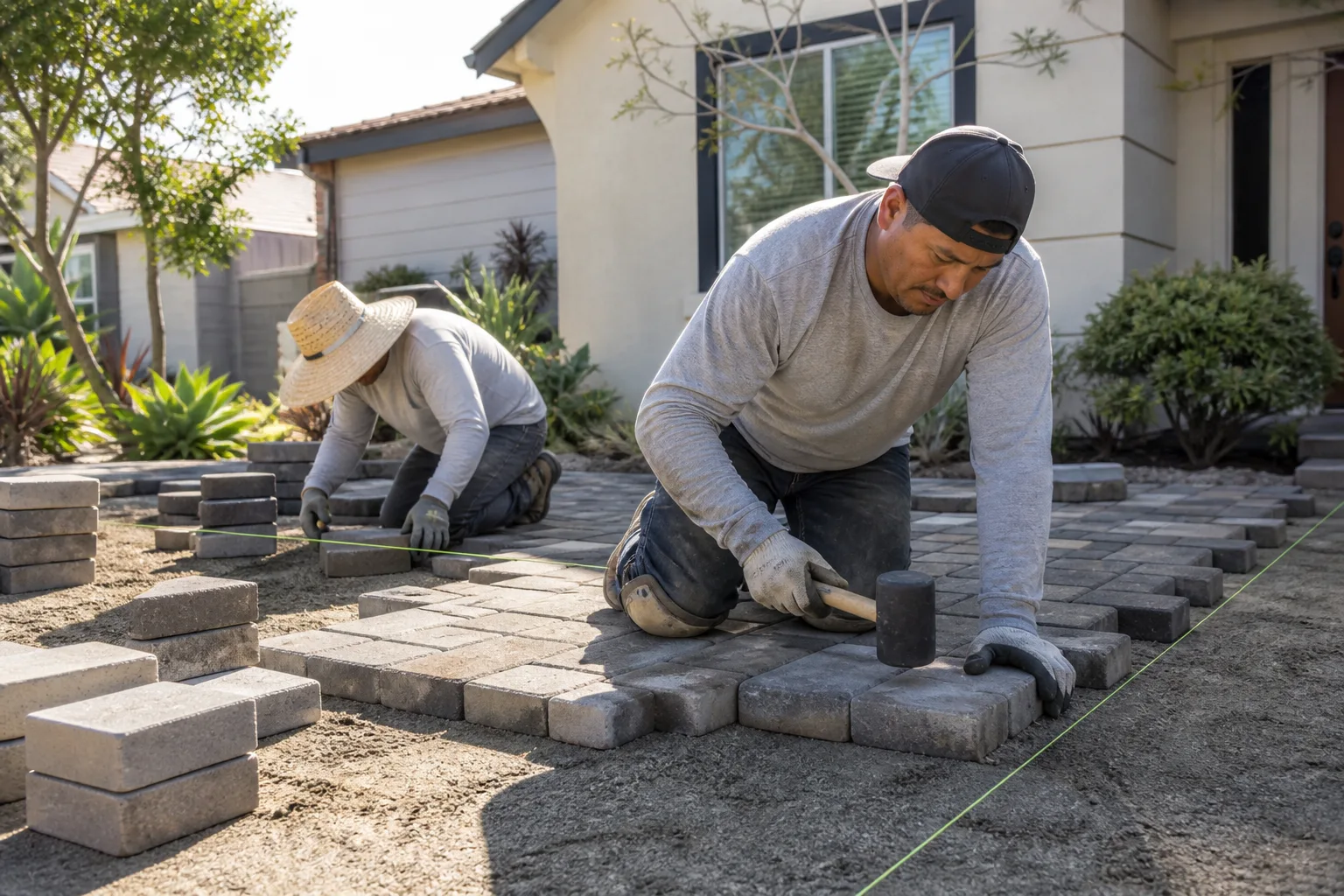
- Set the bedding layer. A thin sand or fine aggregate bed as a uniform setting surface for the pavers.
- Install edge restraint. A fixed edge on the perimeter keeps the paver field from spreading outward. Skipping edge restraint is one of the most common causes of long-term paver spread.
- Lay pavers in the designed pattern. Pattern, orientation, and cut pieces around the perimeter and any hard edges.
- Compact the paver field and fill joints. Joint sand fills the gaps and locks the units together.
- Seal only after the joints and base have settled. Sealing too early traps moisture in a system that hasn’t finished settling.
Steps three through seven are where a proper installation departs from a fast one. The finish looks identical on day one. The difference shows up in year three.
Calculating True 10-Year Cost
An install quote only tells you the cost of day one. The real number is what you spend over ten years on the driveway you choose, and that includes repairs, sealing cycles, and re-leveling. Comparing materials on install price alone usually points to the wrong answer.
| Cost Category | Concrete | Asphalt | Interlocking Pavers | Exposed Aggregate |
|---|---|---|---|---|
| Likely upkeep over 10 years | Crack repair, possible spall repair, joint maintenance | Repeated sealcoating, possible patching, potential rutting | Sealing cycle, joint sand top-up, isolated paver replacement | Crack repair, surface reconditioning |
| Repair approach | Patch shows visibly; slab replacement on large damage | Cut, patch, reseal | Lift and replace individual units | Patch shows, similar to concrete |
| Move with clay soil | Cracks under movement | Flexes up to a point | Flexes unit by unit | Cracks under movement |
| Heat and UV durability | Good, with spall risk if not properly finished | Softens, fades | Colorfast units, thermal movement in joints | Good, textured finish stays cooler |
Prices are quoted per job by written estimate, because base depth, drainage design, and material choice all change the number. Ask any contractor for a written, line-item quote that names the base depth and compaction spec. That spec is what makes the ten-year comparison honest.
Sealing, Repair, and Routine Maintenance
Every driveway material needs some maintenance in Downey’s climate. What changes is how often and how much.
- Sealing. Pavers get a sealing cycle to protect color and lock joints. Asphalt gets sealcoated to protect the binder. Concrete and exposed aggregate don’t need sealing but need crack monitoring.
- Joint sand. Paver joints lose sand over time. Topping up the joint sand keeps the locking behavior intact and stops weeds from taking hold.
- Edge restraint checks. Look along the perimeter after heavy rain or hot spells. Any spreading at the edge means the restraint needs attention before the paver field moves.
- Crack repair. Concrete and exposed aggregate crack under clay movement. Prompt repair stops water from getting under the slab and worsening the base.
- Drainage checks. Confirm water still sheds away from the driveway and the house after heavy rain. Trapped water is what causes the base to fail.
If you’re planning other outdoor work, a related guide on fence installation can help you think through how exterior improvements fit together.
How to Choose a Driveway Contractor in Downey
A driveway contractor is judged on what’s buried under the surface, which you won’t see until years later. Here’s what to look for before signing.
- Base depth is specified in the quote. A quote that says “4 inches of base” without saying what base and how it’s compacted hasn’t specified anything.
- Compaction is described in lifts. Ask how many lifts the base goes in and whether each one is compacted.
- Soil conditions are on the list. A contractor who’s worked in Downey clay should talk about it without prompting.
- Brands are named. Engineered paver systems from recognized manufacturers have defined specs. Commodity concrete units don’t.
- Edge restraint is included. Not an option, part of the base scope.
- The quote is written and line-item. Not a verbal estimate on a back of a business card.
Our technicians have up to 11 years of experience, and our driveway work sources paver systems from Belgard, Unilock, Techo-Bloc, Tremron, and Cambridge Pavers rather than commodity blocks. Choices are matched to your lot’s conditions, not to a one-size pattern. For the broader home, we’re set up to handle home additions & ADU work alongside driveway and exterior projects, so one contractor is accountable for the plan from the driveway to the roofline.
Common Mistakes to Avoid
- Judging a driveway by its surface. The finish you see on install day tells you almost nothing about how the base was built, and the base is what actually determines longevity in Downey clay.
- Skipping the soil check. A contractor who doesn’t test the subgrade before quoting base depth is guessing, and the guess gets expensive once the driveway starts to crack.
- Compacting the base once instead of in lifts. A single top-layer compaction leaves loose base underneath. Ask how many lifts the base went in before you sign off on the pour or installation.
- Leaving off edge restraint. Without a fixed edge, a paver field spreads outward under load and sunlight, and the repair means pulling up the perimeter and redoing it.
- Sealing new pavers too early. A paver system needs time to settle before its first sealing. Sealing on day one traps moisture and can leave a hazy, uneven finish.
- Comparing install quotes without comparing base specs. Two quotes can look identical and describe completely different base depths, compaction standards, and materials. Line-item specs are the only fair comparison.
- Ignoring stormwater direction. Whether or not you choose permeable pavers, runoff from the driveway affects drainage around your house, and a plan that ignores it creates problems down the line.
See the difference
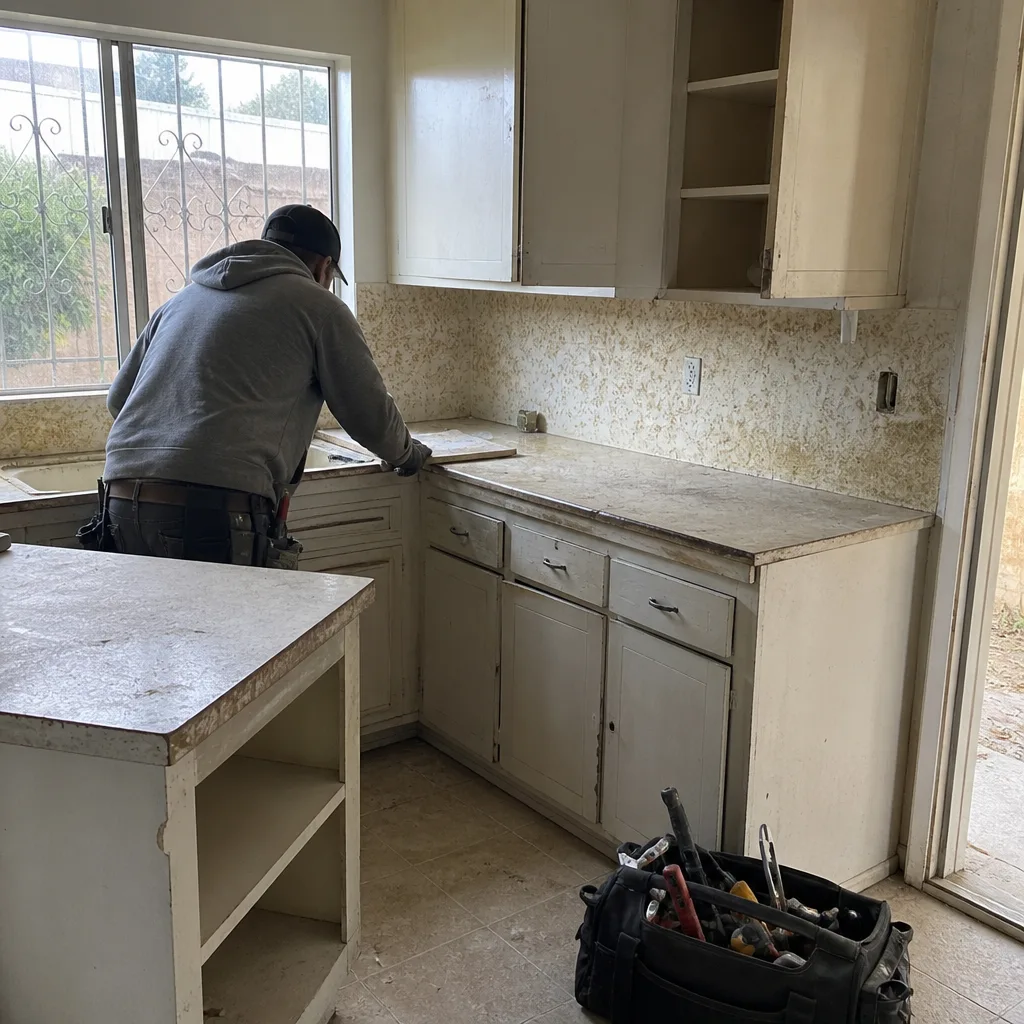 Before
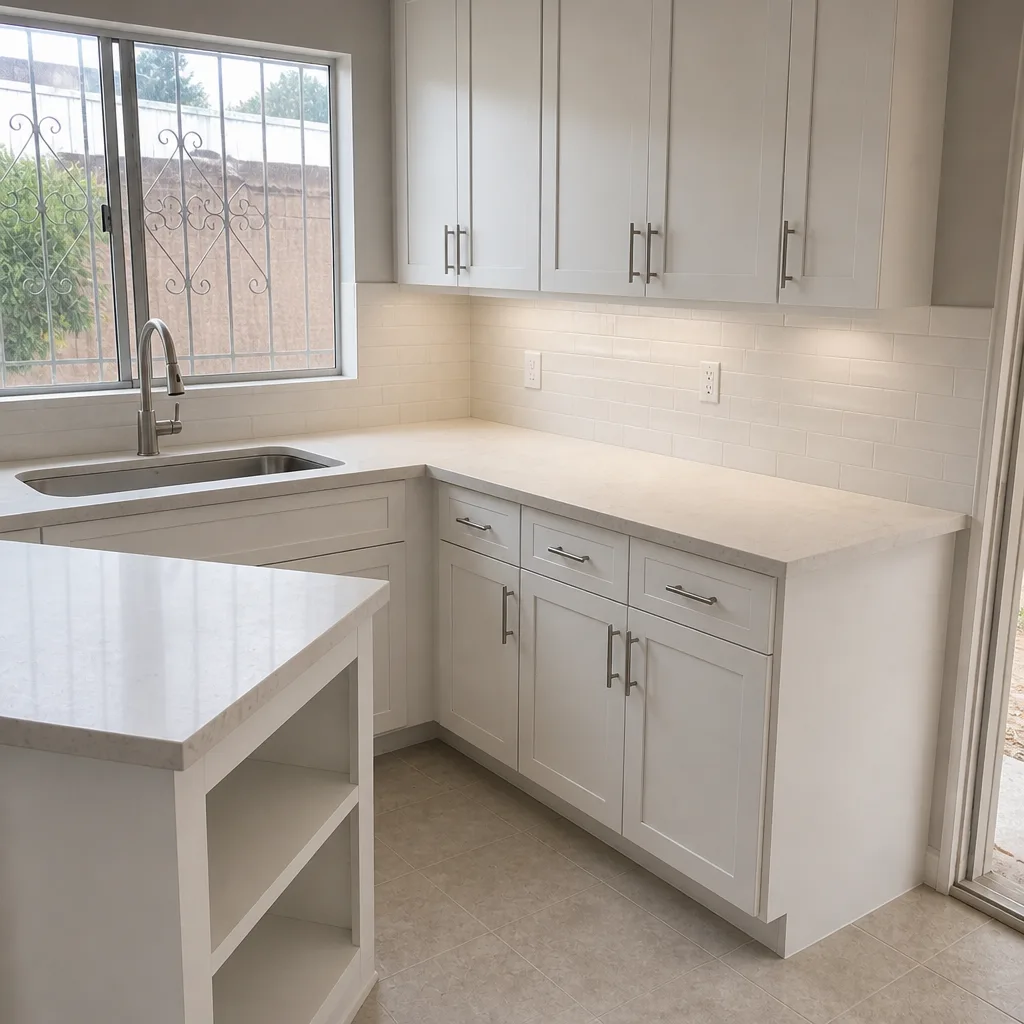 After
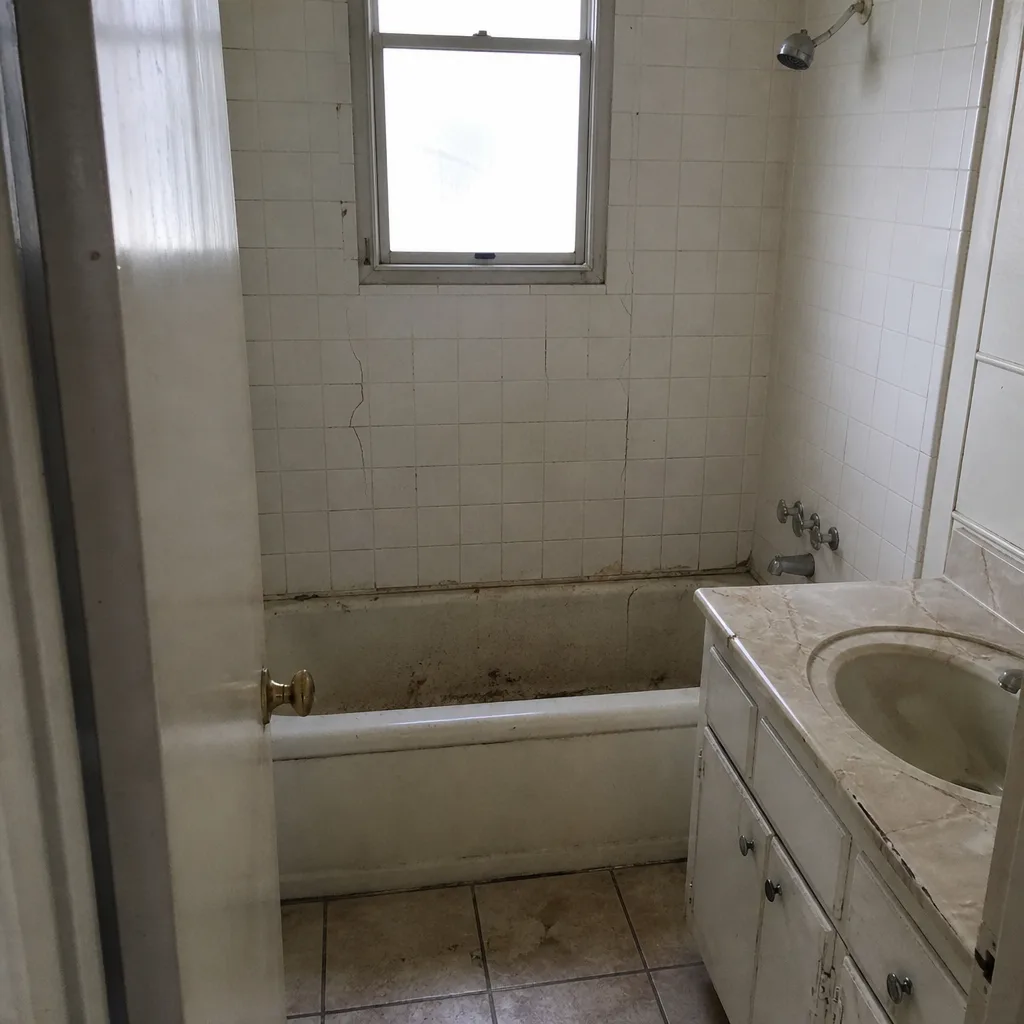 Before
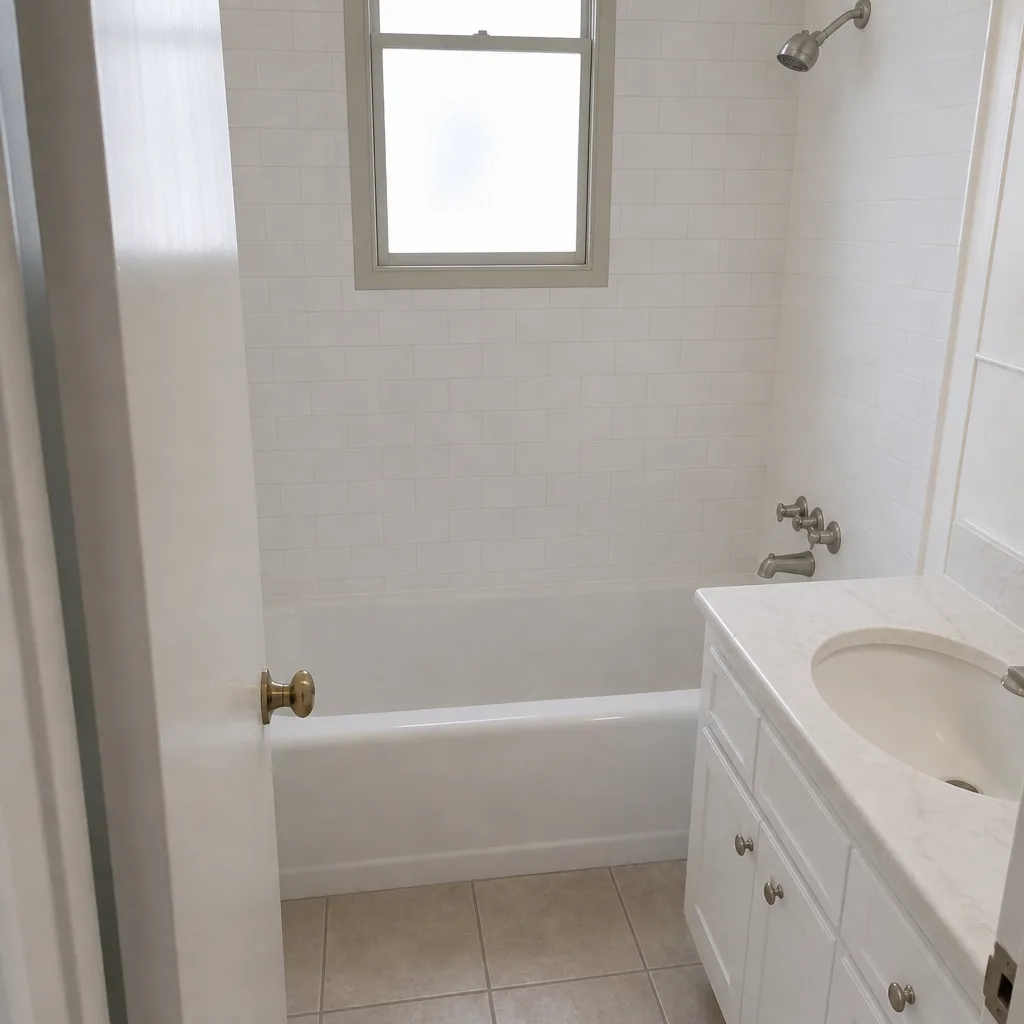 After
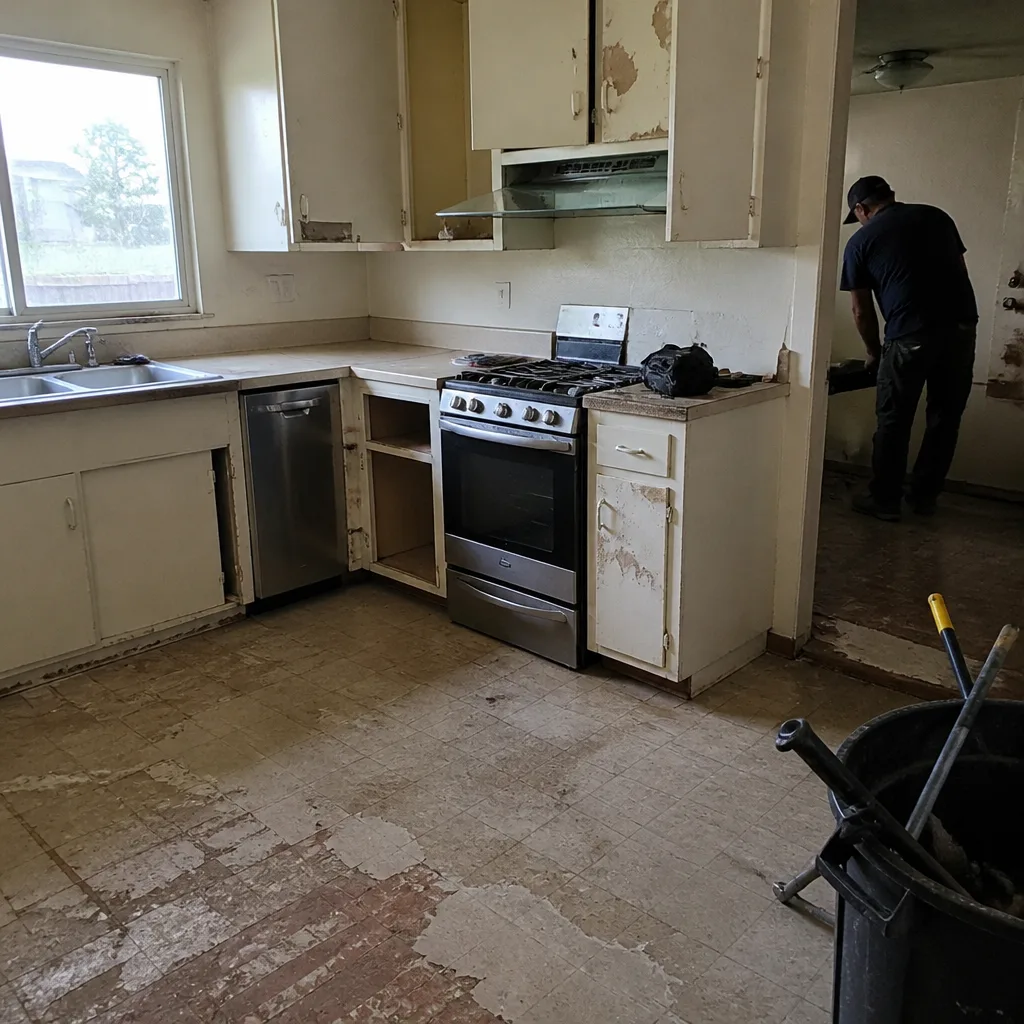 Before
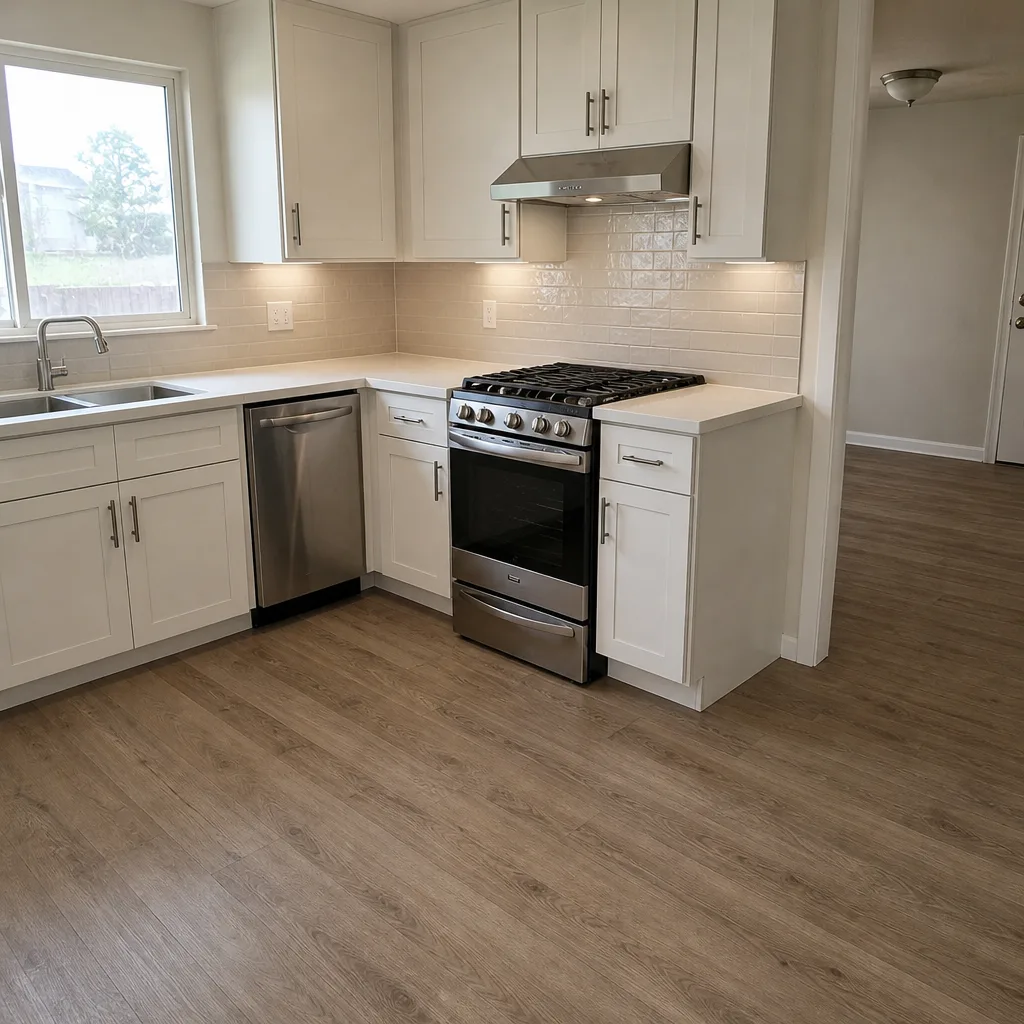 After
When to Call a Professional
Some driveway issues are cosmetic and patient. Others move quickly. Call a professional if you’re seeing cracks widening faster than you can patch them, if water pools on or near the driveway after rain, if pavers are spreading at the edges or sinking in patches, if the surface is spalling on a concrete or exposed aggregate driveway, or if the subgrade may have been compromised by tree roots or utility work. Base failure, in particular, is not a weekend repair. It’s a rebuild. Construction Downey offers free estimates in Downey. Call (844) 312-0107 to schedule one. We answer 24/7. Fast dispatch from 7am to 7pm, Sunday through Friday.
Frequently Asked Questions
A properly built paver driveway in Downey can last several decades with regular sealing and joint sand maintenance, because the pavers themselves are highly durable and any individual unit can be replaced if damaged. Longevity depends most on the base. A base engineered for expansive clay soil is the single biggest factor in how long the driveway holds up.
Interlocking pavers generally outperform concrete in Downey because they flex with the clay soil’s seasonal movement rather than cracking as a slab. Concrete has a lower upfront cost, but its cracks under clay movement show visibly. If you’re comparing on install price alone, pavers look more expensive. Over ten years of sealing, repair, and re-leveling, the gap narrows, and the paver driveway usually comes out ahead. Call (844) 312-0107 for a free estimate and a written line-item quote for your lot.
Many projects of this type require a permit and permit rules vary by jurisdiction, so ask the City of Downey building department what applies to your specific driveway before design work starts. Anything that changes the drainage pattern, the footprint, or the street connection is more likely to need review.
Permeable pavers are recommended more often because LA County stormwater rules are moving toward on-site retention and low-impact development, which limits how much runoff a residential property can send off-site. A permeable paver system lets rain pass through the joints and into an engineered base, handling runoff on-site. It’s a system decision, not a product swap. Call (844) 312-0107 for a free estimate if you’re considering it.
Costs are quoted per job by written estimate, because base depth, drainage design, and material all change the number. A written line-item quote will break out the base spec, the material, and the labor so you can compare contractors fairly. Ask for a free estimate before committing to anything.
Cracks caused by base failure over expansive clay soil, not by the surface material itself. When the base compacts unevenly or is under-built for the soil, the slab or paver field moves and shows it. Repairing the surface without addressing the base tends to fail again. Call (844) 312-0107 for a free estimate and a written quote.
The Bottom Line
Choosing a driveway material in Downey is an engineering decision before it’s a design one. Expansive clay soil sets the rules: the base depth, compaction standard, and drainage design matter more than the surface finish, and skipping them is why driveways crack and settle in the first five years. Interlocking pavers from named manufacturers like Belgard, Unilock, and Techo-Bloc give the best long-term value here because they flex with soil movement instead of fracturing under it. Concrete, asphalt, and exposed aggregate each work when the base is engineered correctly and fail when it isn’t. Price the job on its ten-year total, insist on written line-item specs, and pick a contractor who talks about clay before you ask. Then call (844) 312-0107 for a free estimate. We answer 24/7. Fast dispatch from 7am to 7pm, Sunday through Friday.
Written by the team at Construction Downey. Explore Construction Downey for the full-scope picture across your home.