Last updated November 17, 2026


Free written scope consultation - allowances, timeline, and change-order rules on paper before a single trade is scheduled
DIY vs Professional Construction: The Downey Homeowner’s Decision Guide
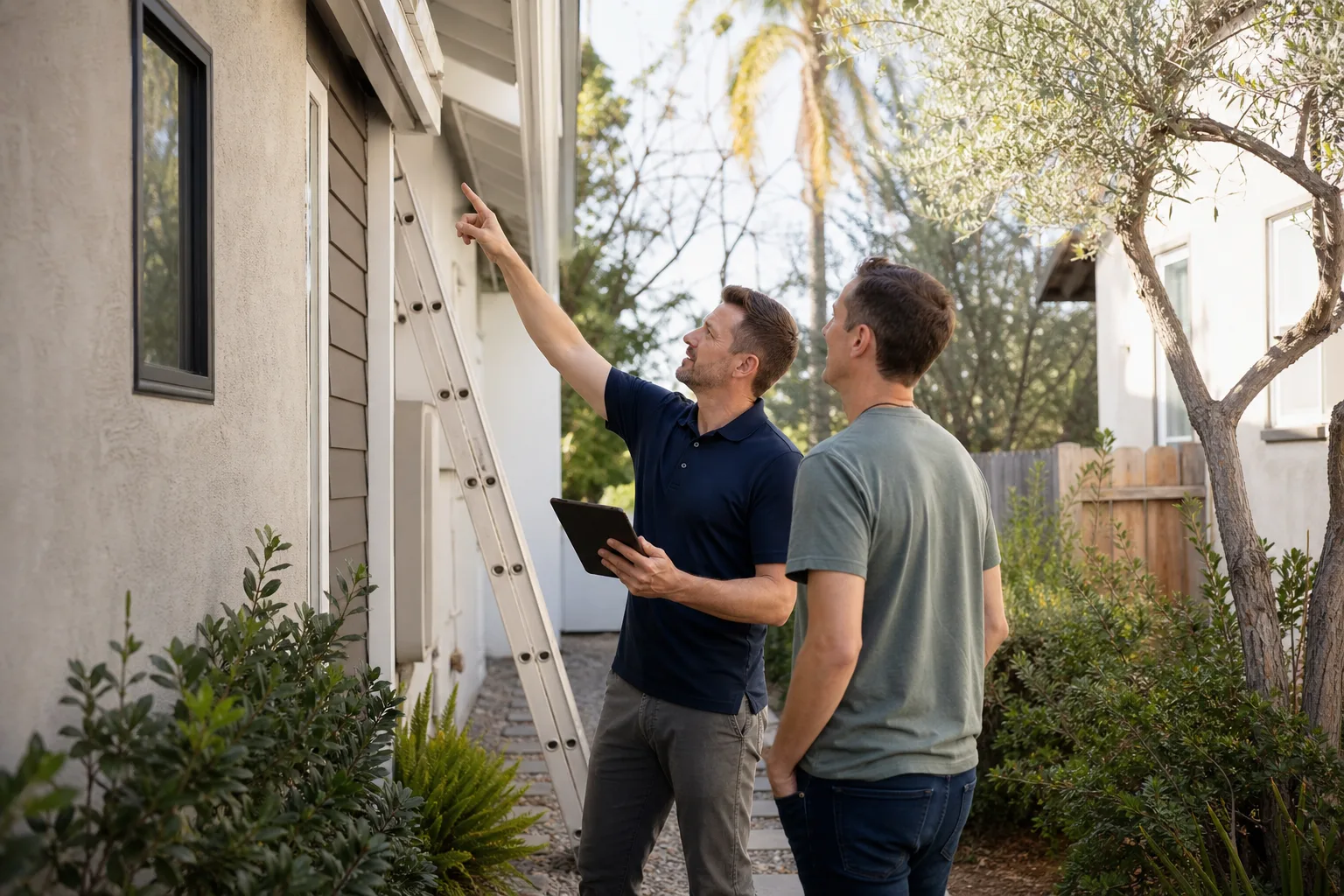
Most homeowners frame the DIY versus professional decision around skill. Can I cut a straight line, hang a door, pour a slab? That framing misses the bigger variable in Downey, and in California generally: permit exposure. A homeowner who occupies their own property can legally pull a permit and do a surprising amount of work themselves. The moment that work touches an electrical panel, a gas line, or a structural wall, the county inspection process pulls a licensed professional into the loop anyway, and a failed inspection means you pay to correct it. This guide walks through what you can legally self-perform in Downey, where the real risk sits project by project, and how hybrid projects let you cut cost without inheriting liability.
Quick Answer
In Downey, you can legally self-perform cosmetic and non-structural work on a home you occupy, including painting, flooring, fencing, and simple paver work, and you can pull an owner-builder permit for some of it. You cannot legally self-perform work on a property you rent out, and any project touching electrical, gas, plumbing, or structural systems requires a licensed contractor and a passing inspection whether you pulled the permit or not. The break-even point is usually the first inspection, not the first tool.
Styles & brands we work with
- Kitchen remodeling
- Bathroom remodeling
- Home additions & ADU
- Roofing
- Windows & doors
- Driveway & pavers
- Fence
Table of Contents
- What California’s Owner-Builder Permit Rules Actually Allow
- Project-by-Project Decision Matrix for Downey Homes
- Why Downey’s Older Housing Stock Compounds DIY Risk
- The Hidden Costs of DIY That Surface at Resale
- Manufacturer Warranties and Why They Void
- What a Hybrid Project Looks Like in Practice
- The Coordination Cost Nobody Budgets For
- When to Call a Professional
What California’s Owner-Builder Permit Rules Actually Allow
A common misconception holds that any homeowner can pull a permit and do any work. California law is more specific. An owner-builder permit is available to a person who owns and occupies the property as their residence. It is not available to a landlord improving a rental. It is not available to a homeowner who is buying a property to flip. The permit is issued to the occupant, and the occupant carries the responsibility for code compliance and for the inspection outcome.
The second misconception is that the owner-builder permit makes structural, electrical, gas, or plumbing work legal to self-perform. It does not. What it does is allow you to act as your own general contractor on some categories of work and to schedule and pass inspections on the work you do. For anything that requires a licensed trade, the permit may be in your name but the work must still be performed by a licensed contractor.
Here is roughly how the categories split for a Downey homeowner:
- Usually fine to self-perform: interior paint, finish carpentry, flooring installation, fencing, low-voltage landscaping, and surface-level paver work.
- Permit required and inspection-triggered: any structural modification, room additions, window or door replacement that changes the opening, roofing replacement, and re-piping.
- Licensed contractor required: anything on the electrical service panel or branch circuit wiring beyond a simple device swap, anything involving gas lines or gas appliances, and plumbing system modifications that aren’t a straight fixture replacement.
The permit is not the hard part. The inspection is. Downey inspectors are the same inspectors whether you or a professional pulled the permit, and they are not more lenient on owner-builders. If your rough-in fails, you correct it and pay for a re-inspection. That correction cost lands on you, and it is often the thing that erases the savings you were counting on.
Project-by-Project Decision Matrix for Downey Homes
Not every project carries the same DIY risk, and lumping them all together is where homeowners make bad calls. Here’s an honest read on the categories we work in most often, with skill, time, and risk scored the way we’d score them if you were asking at the kitchen table.
Driveway and Paver Work
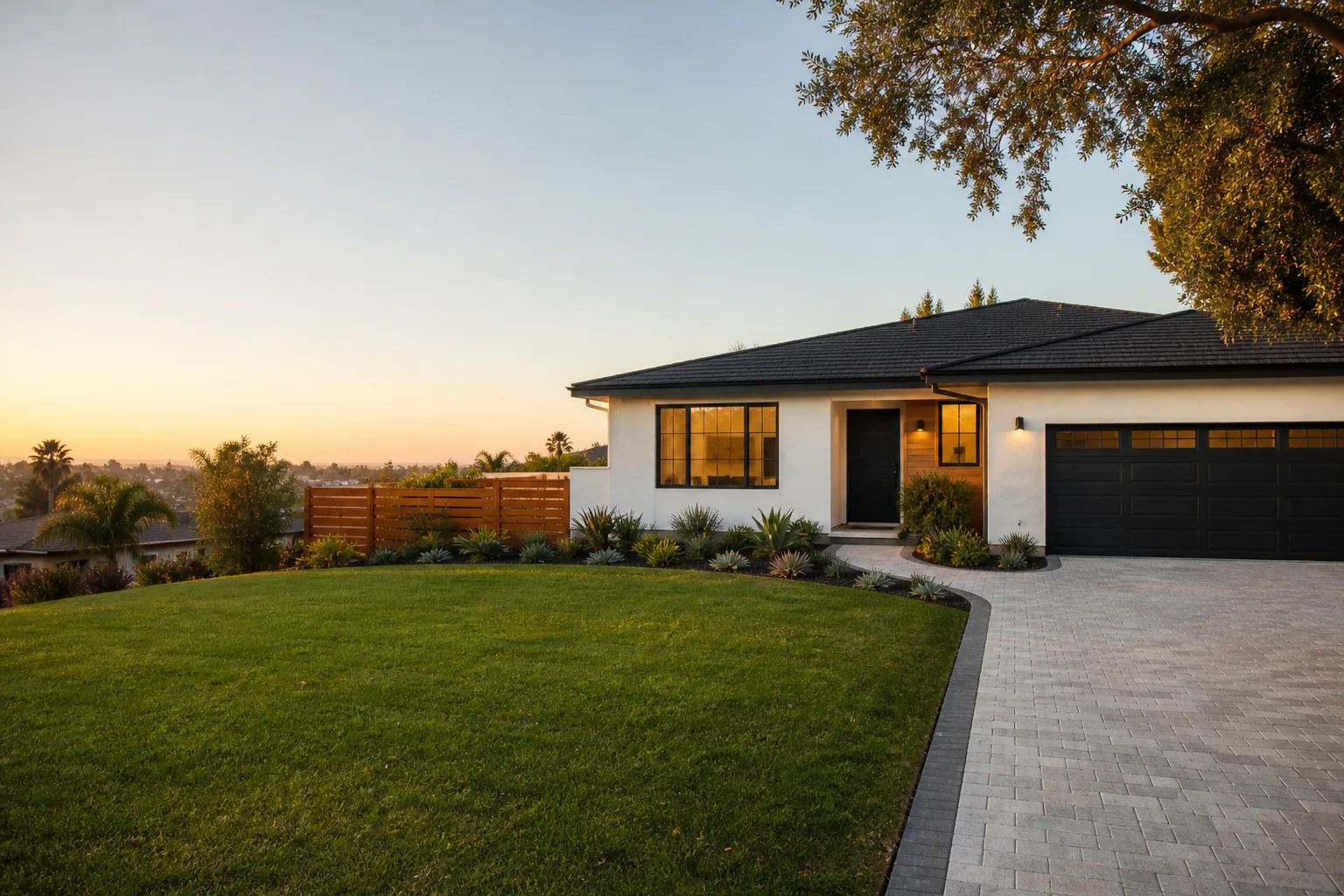
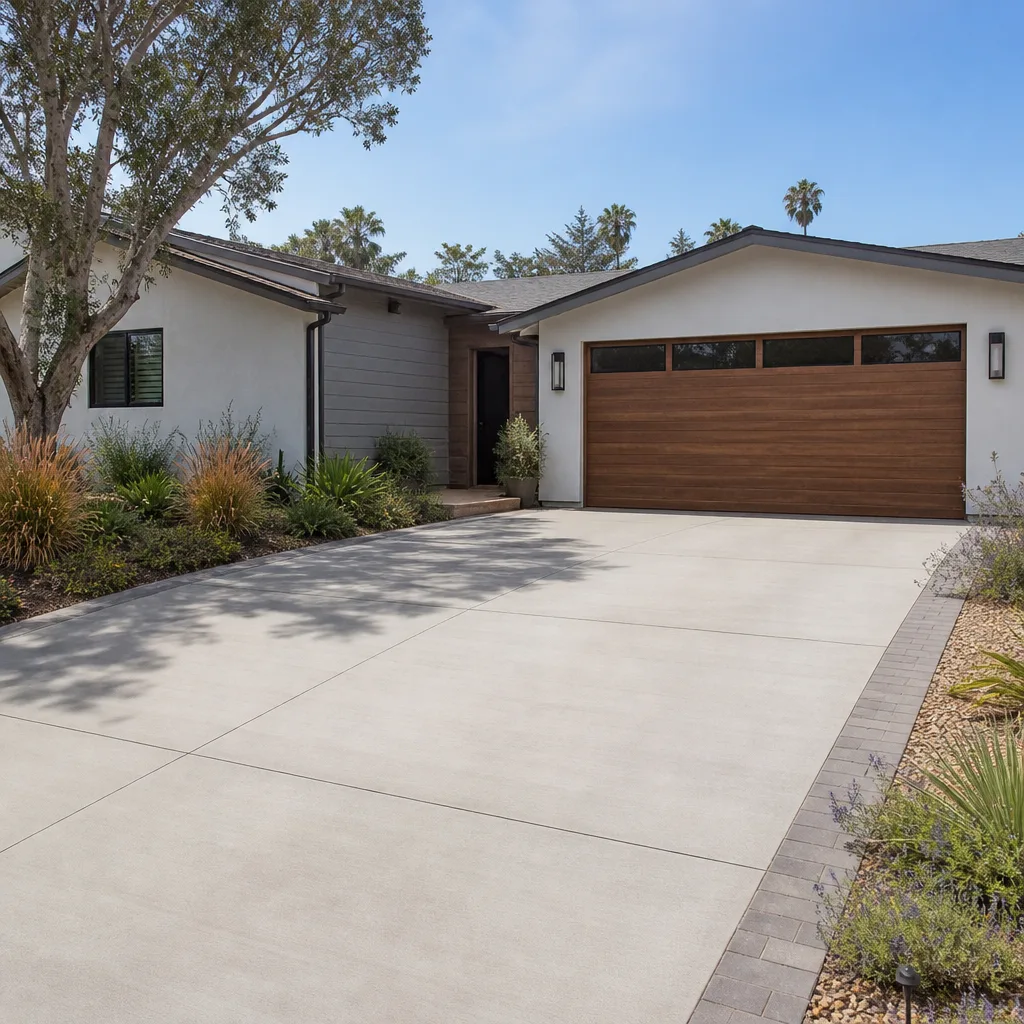
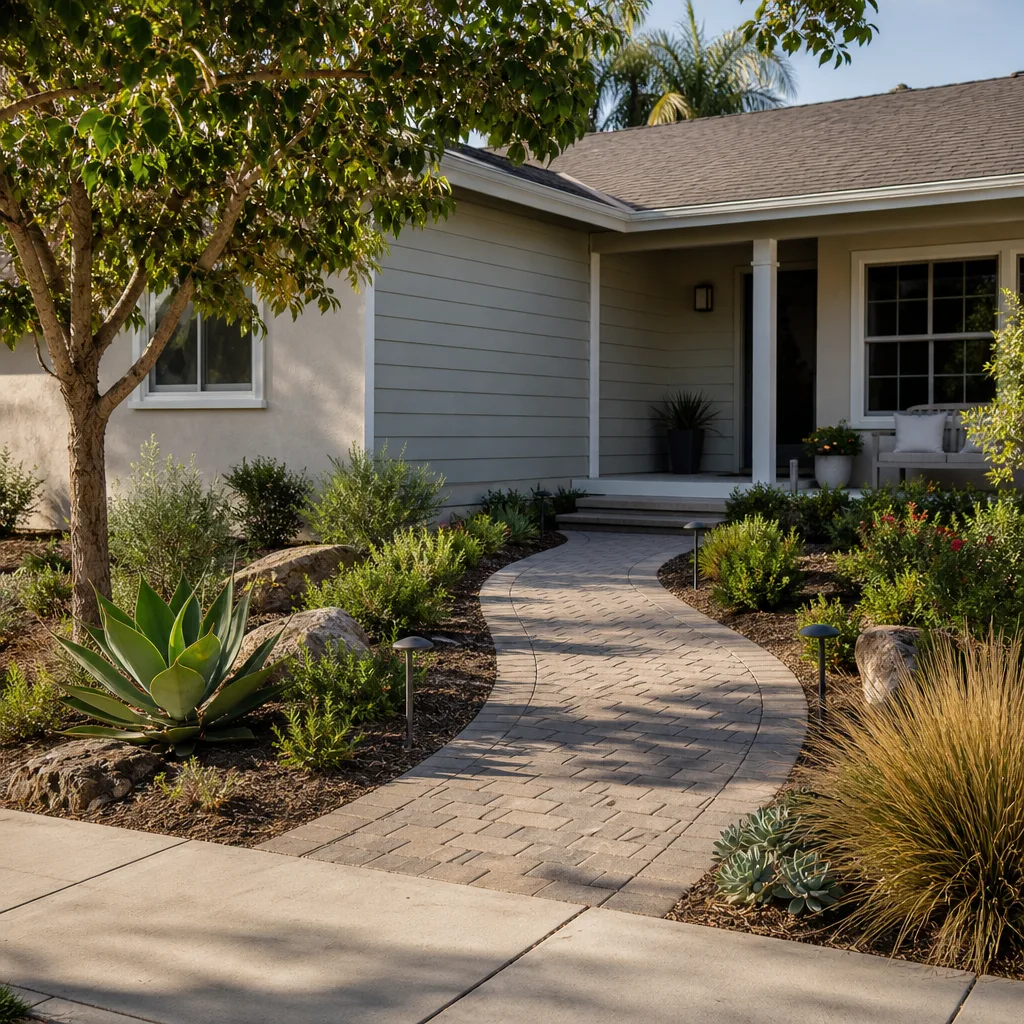
Low to moderate skill, moderate time, moderate risk. A simple patio or walkway using a product like Quikrete or Sakrete base material is within reach of a careful homeowner. A full driveway replacement using an engineered paver system like Cambridge Pavers is another matter. Base compaction, drainage slope, and edge restraint are the three places DIY paver jobs fail, and they fail visibly within a season. We handle this scope through our driveway & pavers service line, and the difference shows up in the base prep you can’t see once it’s done.
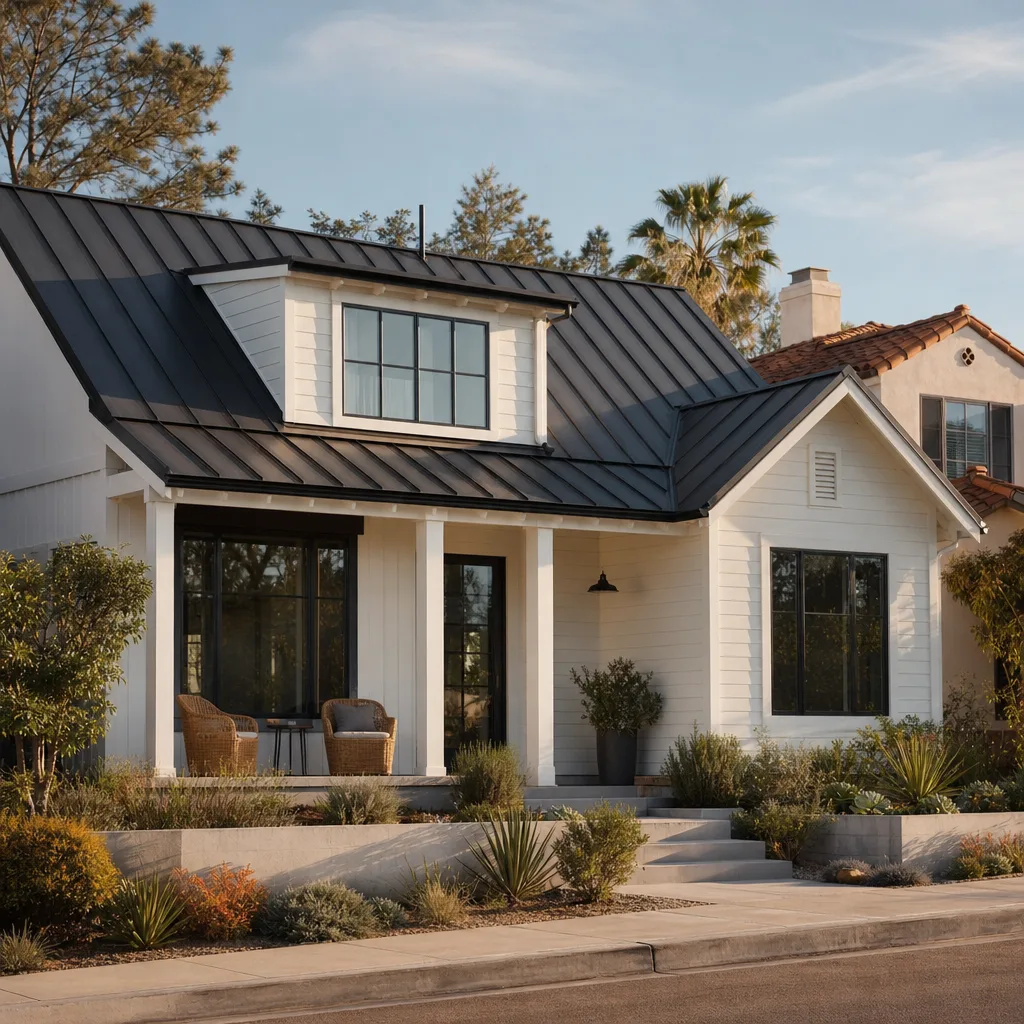
Roofing
High risk, high physical effort, low forgiveness. Roofing combines height work, material handling, and an inspection that is unforgiving on flashing and underlayment detail. This is not a category we recommend for DIY in Downey, regardless of skill. The consequence of a missed detail is water intrusion you may not see until it has reached interior framing.
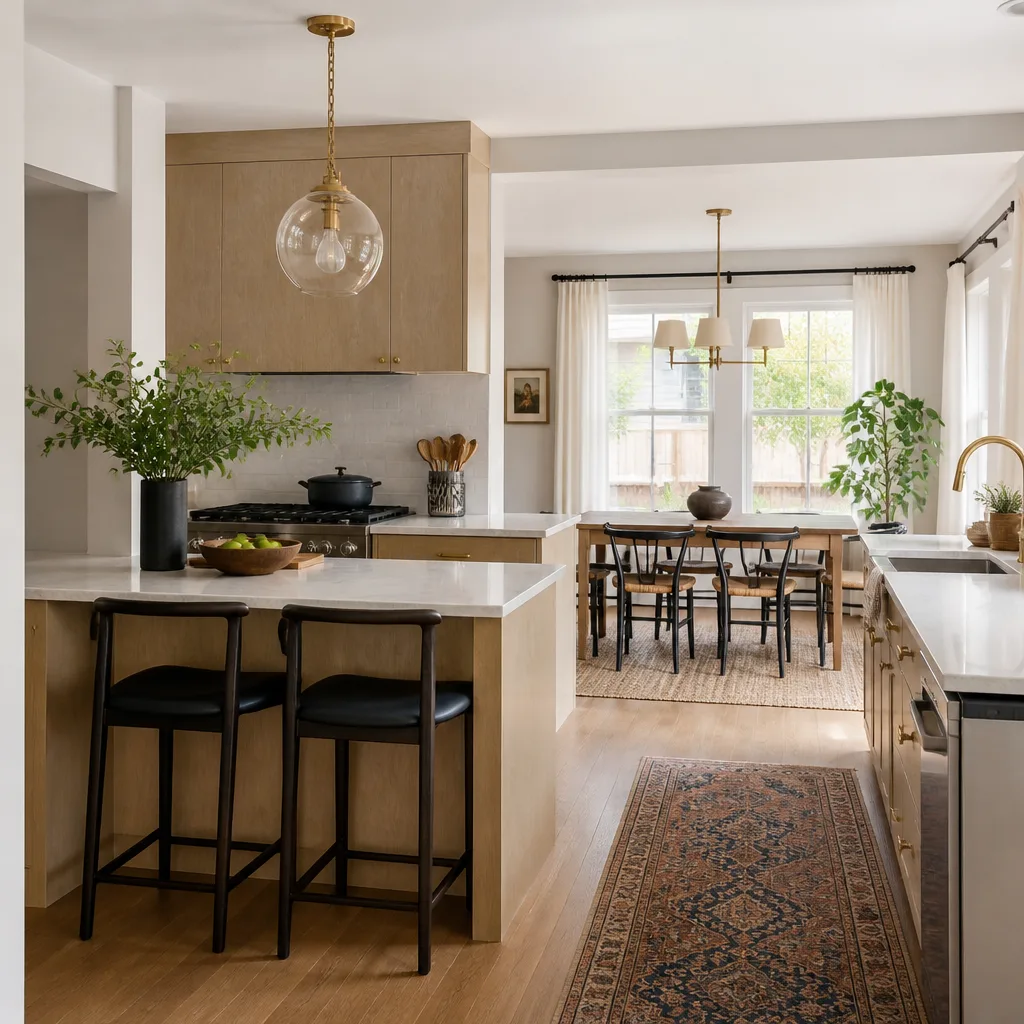
Kitchen Remodeling
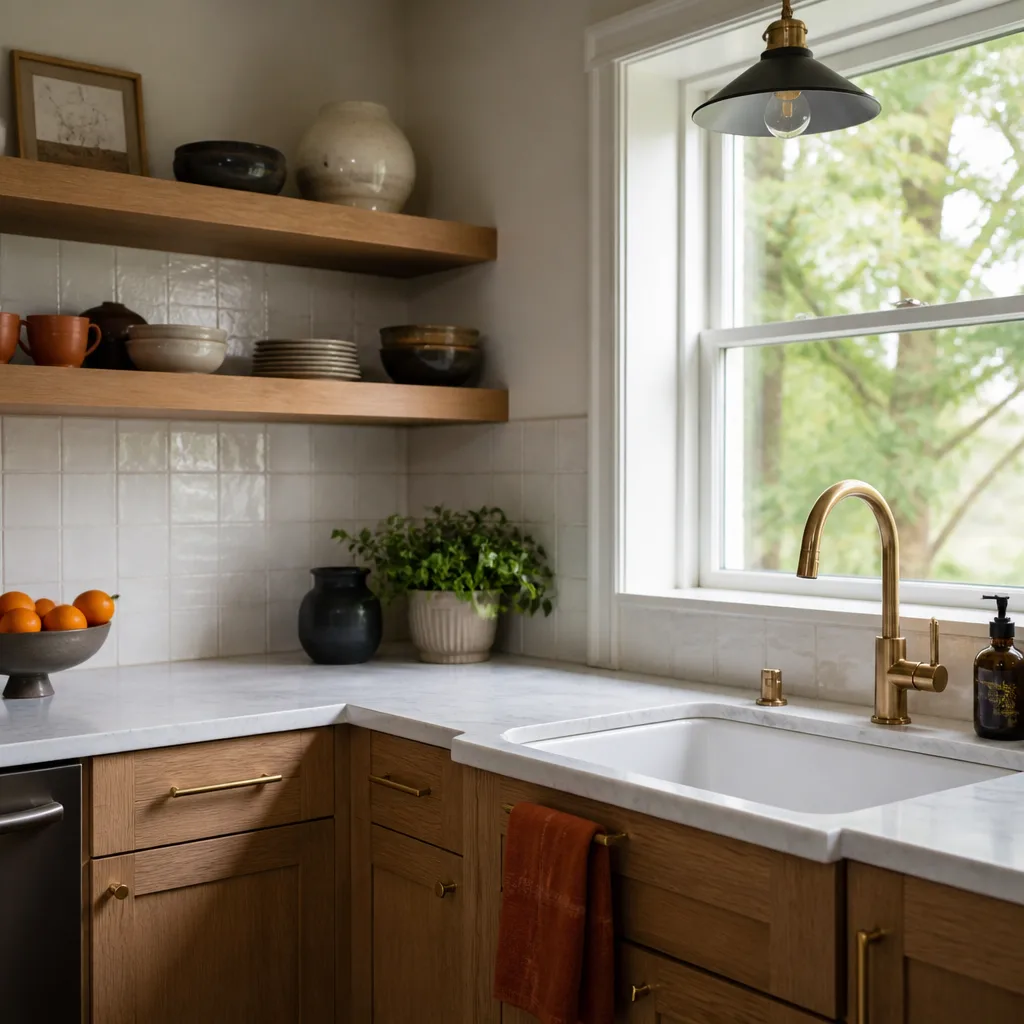
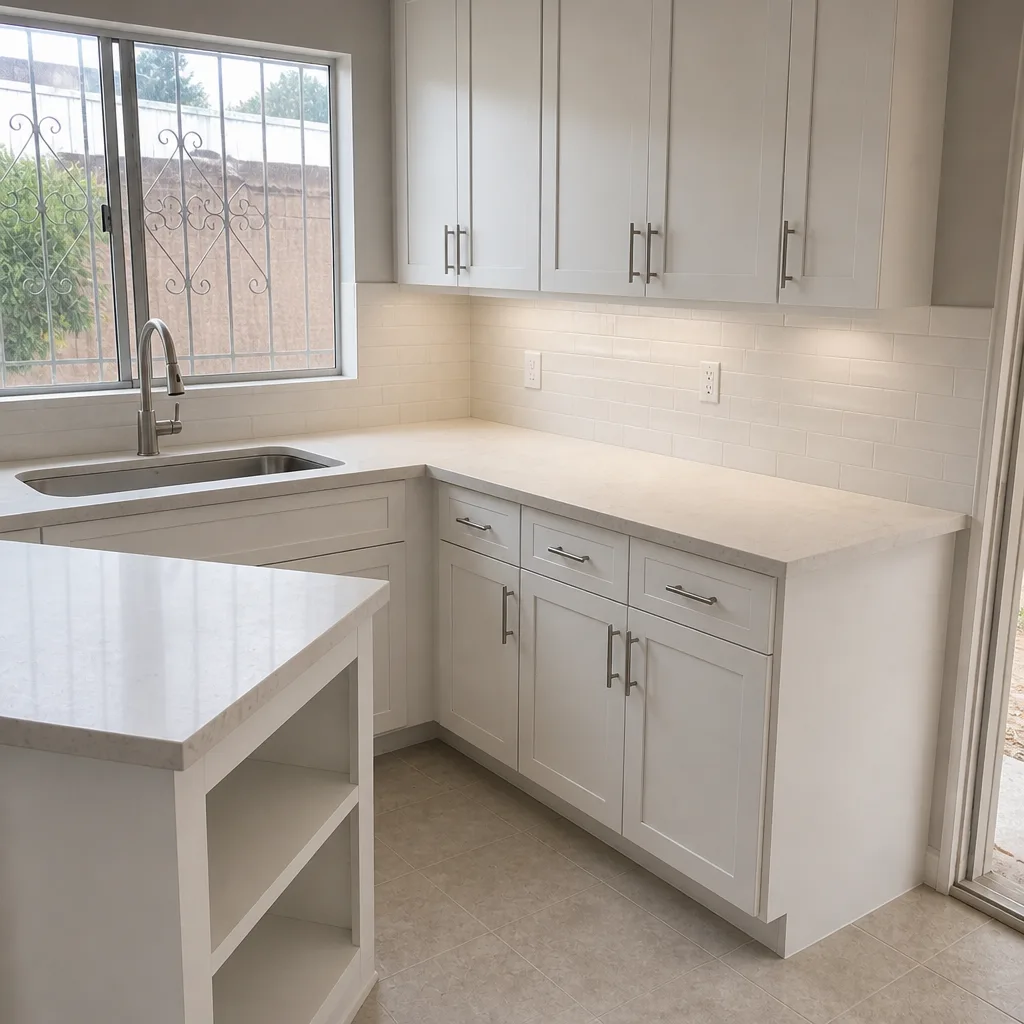
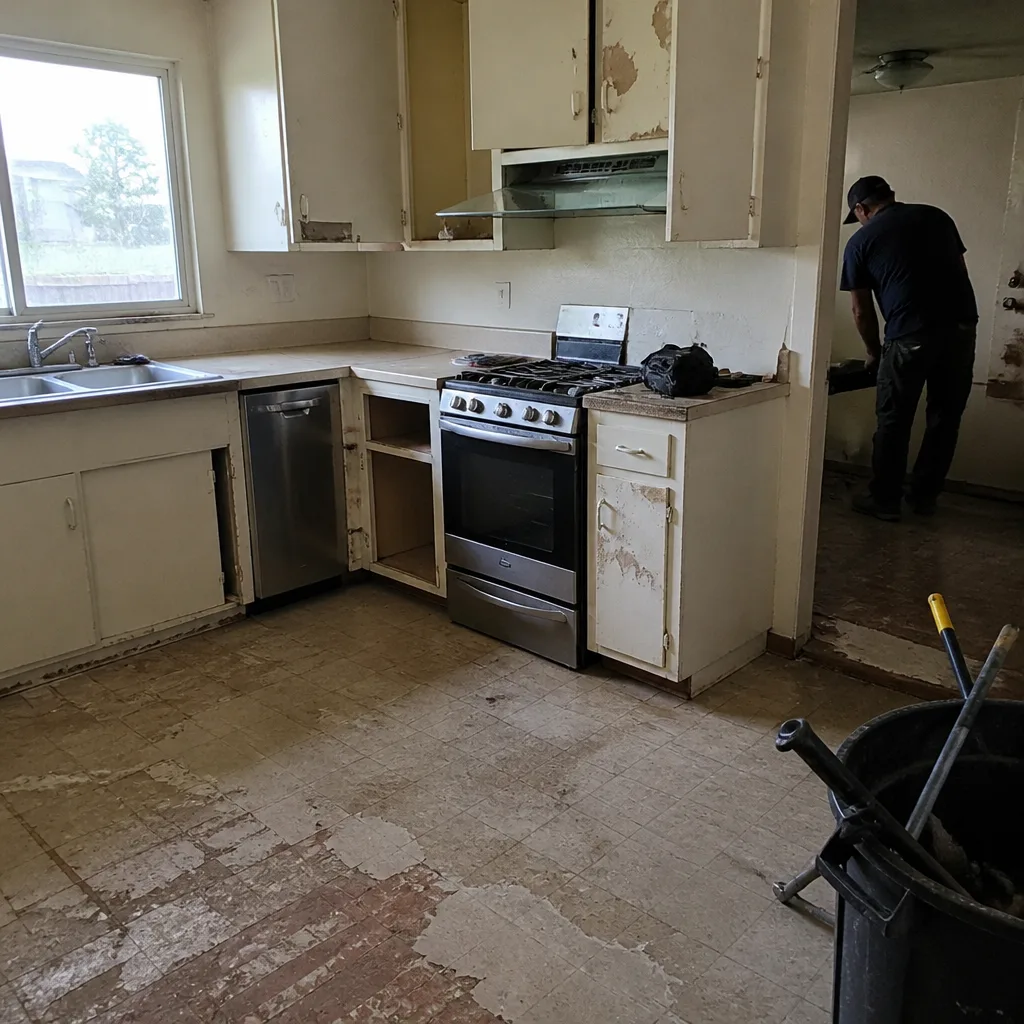
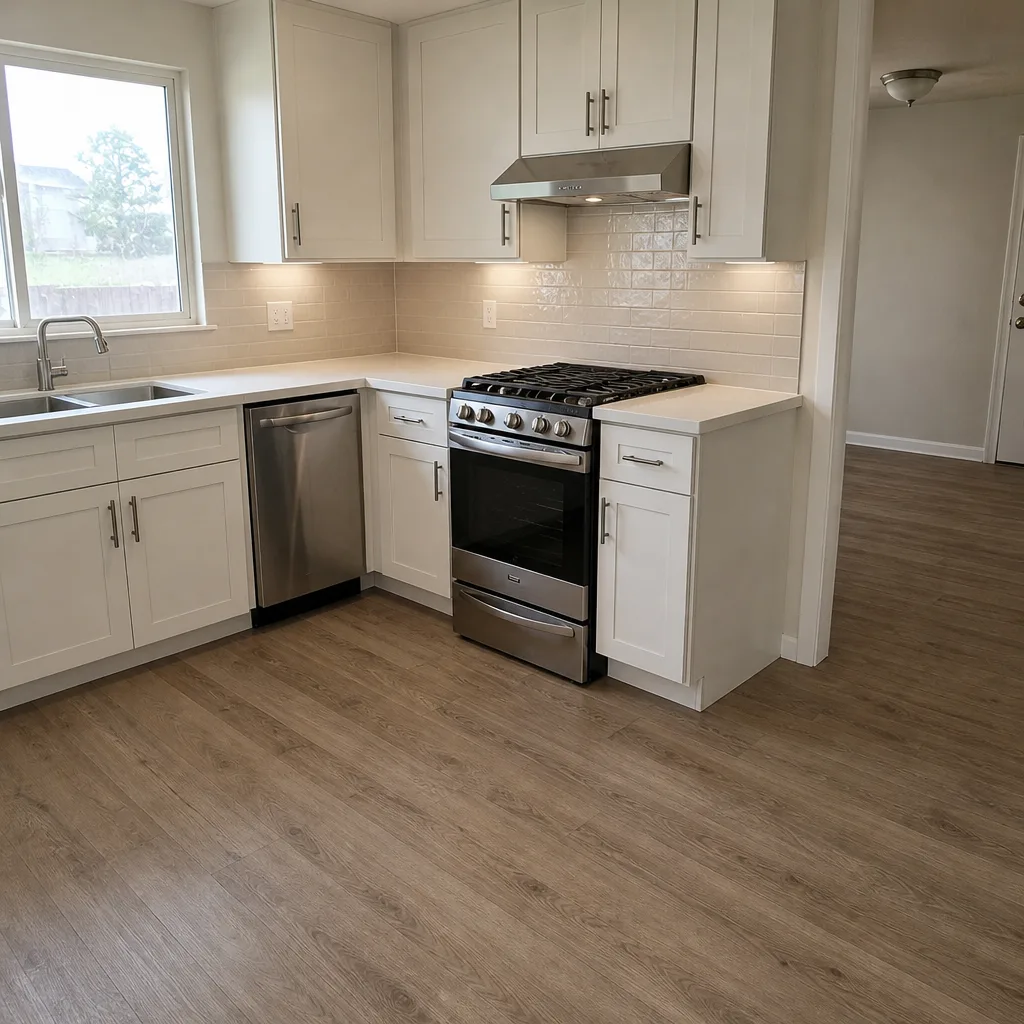
High risk, high complexity, high permit exposure. A kitchen remodel touches electrical, plumbing, gas, and often structural modification. The honest split: demo, cabinet assembly, and finish painting are within reach. Cabinet installation, countertop templating, gas line relocation, and electrical work are not. Cabinet lines like KraftMaid and Wellborn assume professional installation for their warranty to hold.
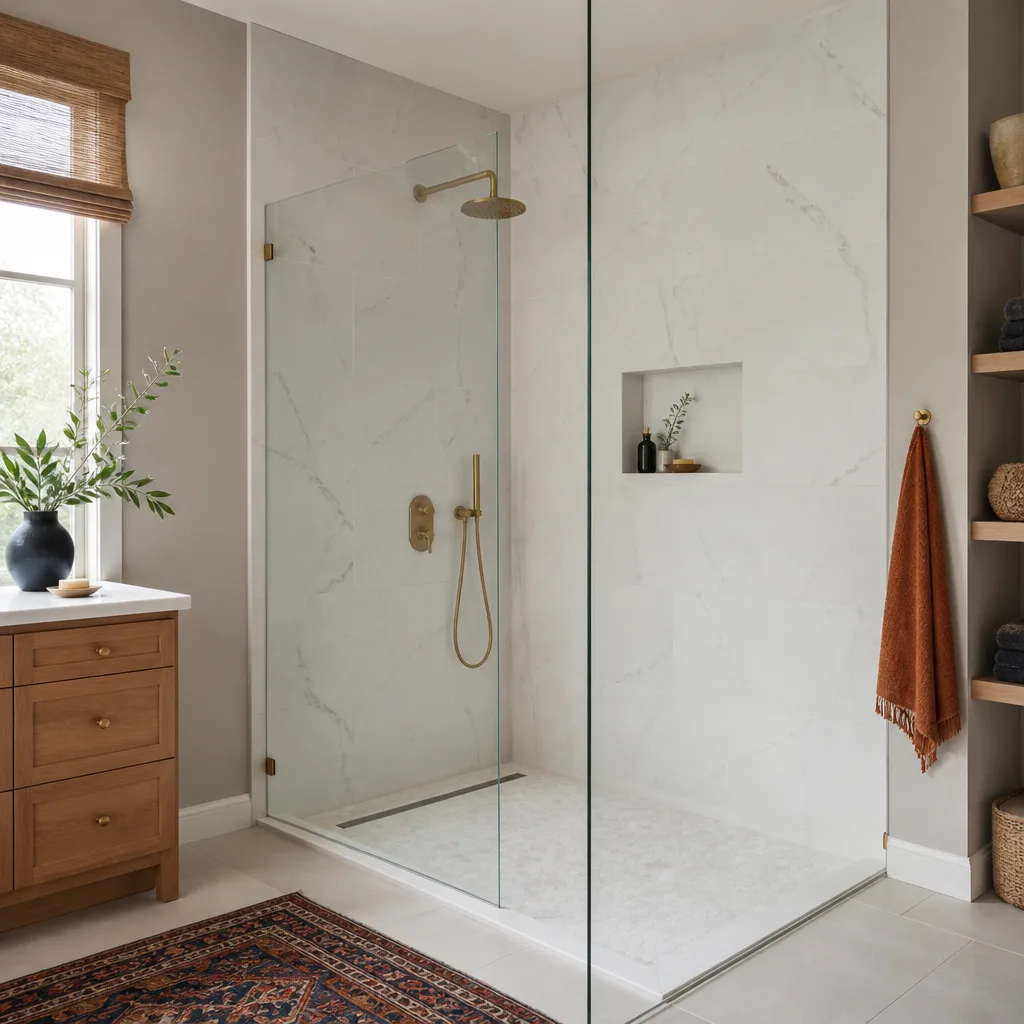
Bathroom Remodeling
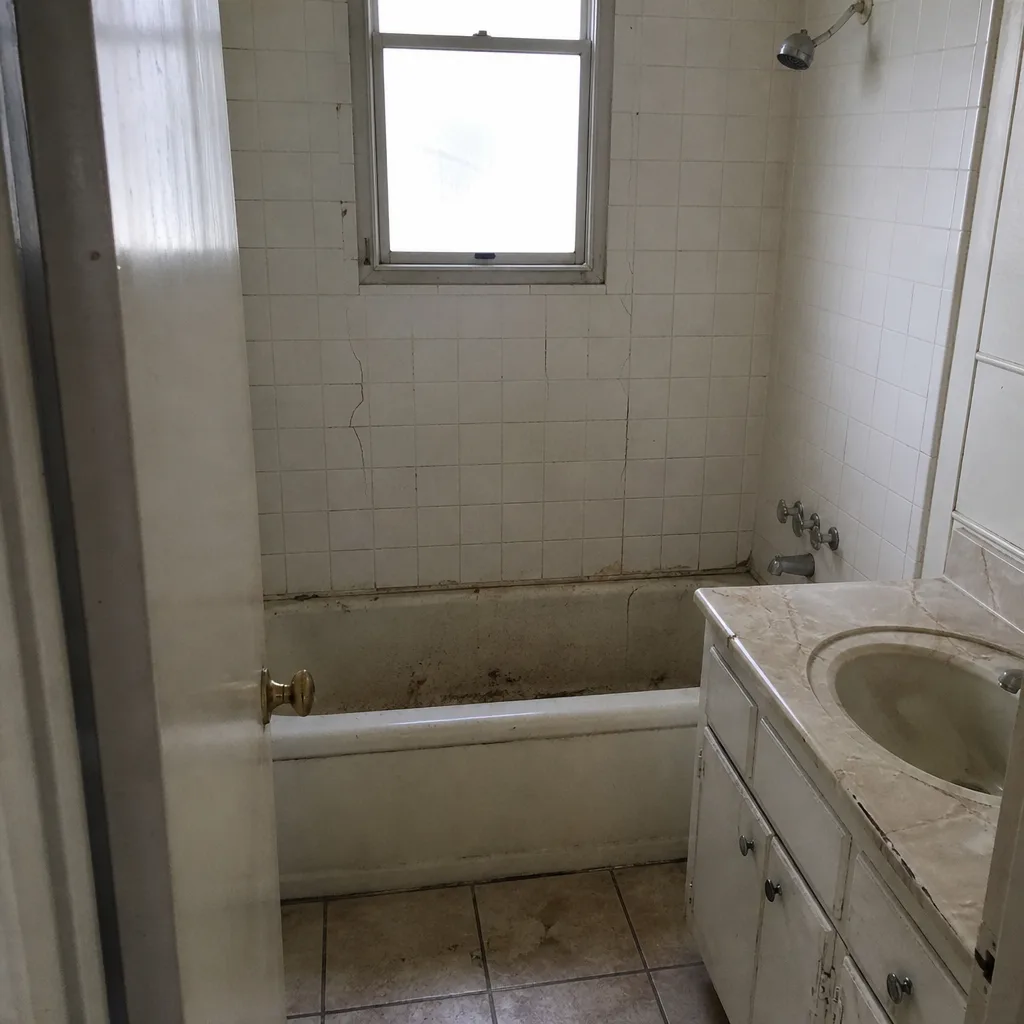
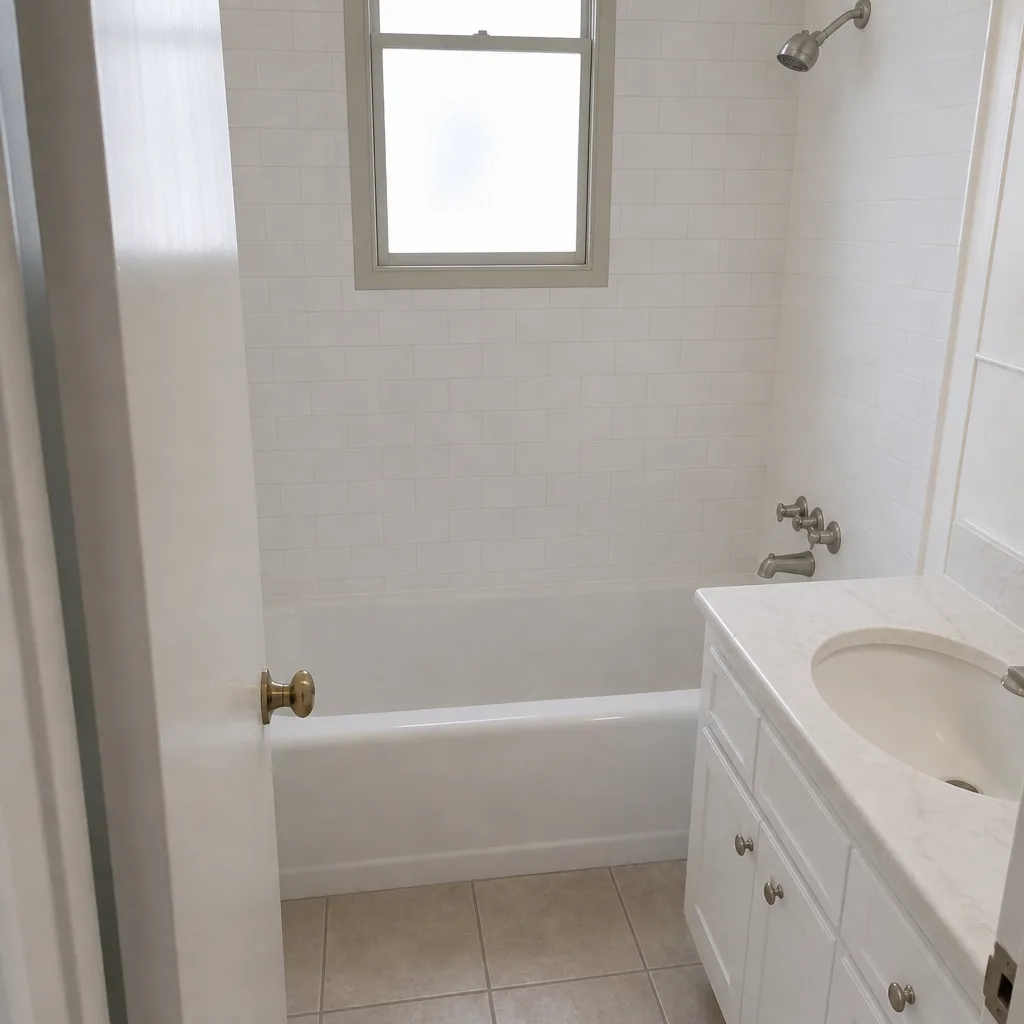
High risk specifically on waterproofing. Shower pans and wet-area waterproofing are the single most common DIY failure we see. The tile may look perfect for a year, then the subfloor rots. Fixture selection from brands like Kohler, Moen, Toto, and Grohe is fine to handle yourself. Fixture installation in a wet area is a different conversation.
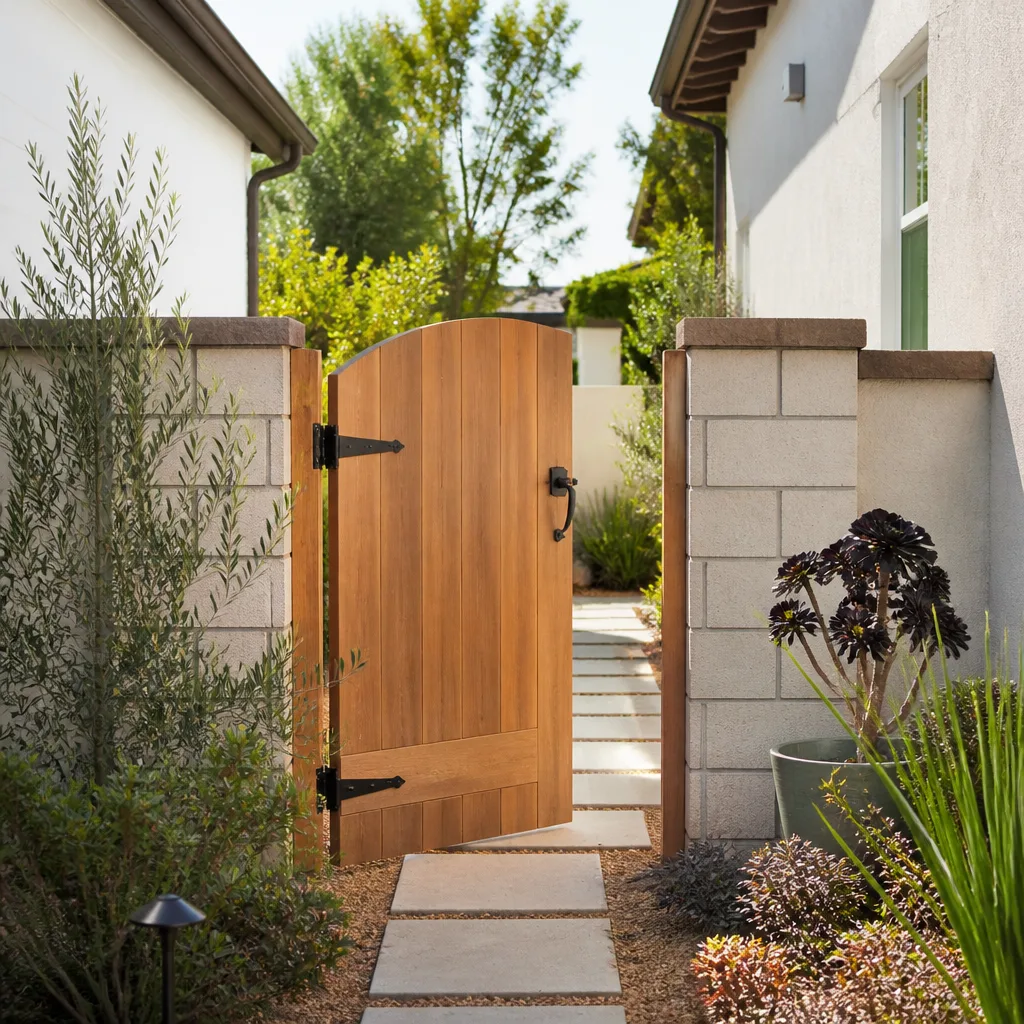
Fencing
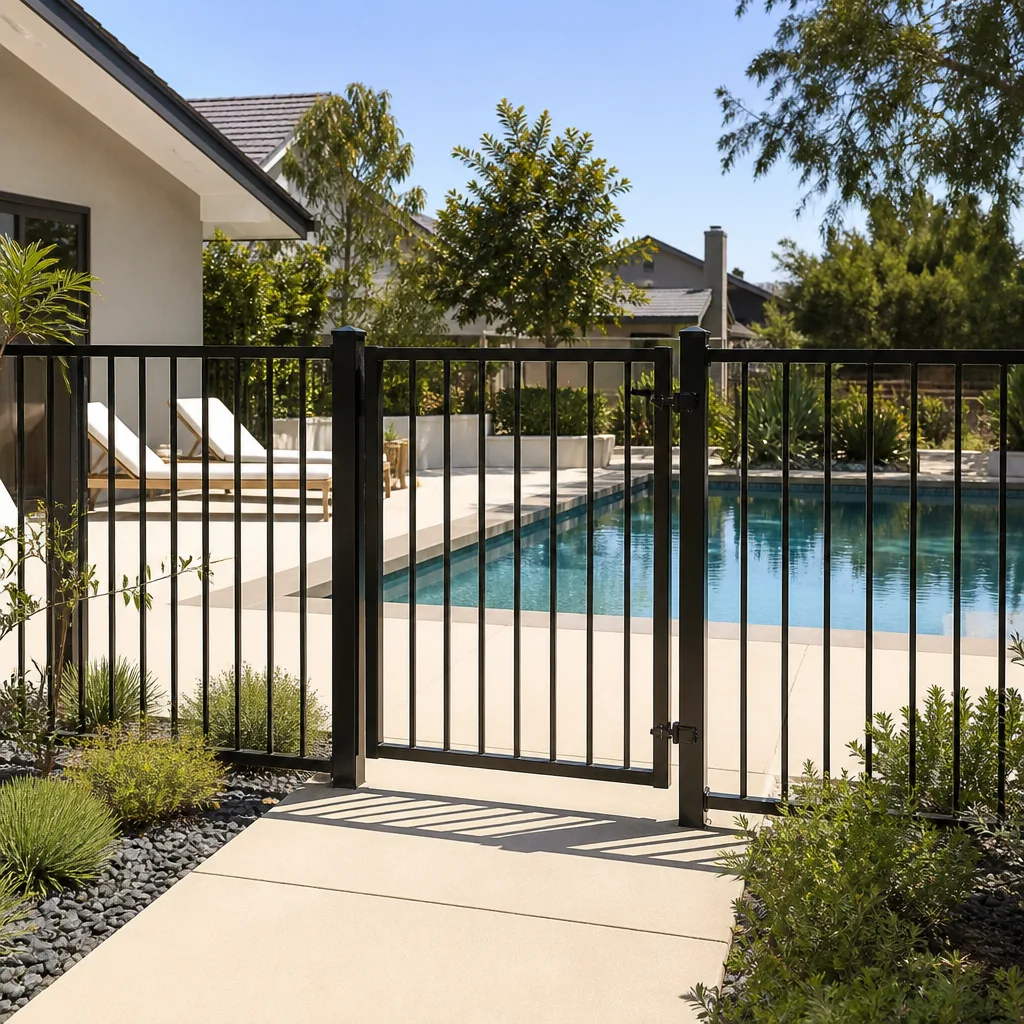
Low to moderate risk, high physical effort. Fence installation is genuinely within reach for a confident homeowner working with a vinyl or aluminum system, though post depth and line accuracy make the difference between a fence that stays true and one that leans by year two. Our fence installation team handles all material categories, so the material choice is driven by your need rather than what’s convenient.
Home Additions and ADUs
Not a DIY category. This is the highest-permit-exposure scope in residential construction. It is also the one where the decision is less about DIY versus pro and more about which professional pathway fits your timeline and budget. Prefab ADU systems from manufacturers like Abodu, Dvele, Mighty Buildings, and Plant Prefab sit alongside traditional stick-built additions on our home additions & ADU scope, and both are legitimate. Neither is a homeowner project.
Why Downey’s Older Housing Stock Compounds DIY Risk
Downey’s housing stock is a meaningful part of this conversation. A large share of the city’s single-family homes were built before 1980. That matters because pre-1980 construction often includes materials that create a hidden risk once a DIY project goes past the surface.
Two of the most common are knob-and-tube wiring and galvanized plumbing. Both are common in older Downey homes. Both look fine on the surface until a project disturbs them. A homeowner who opens a wall to install a new outlet in a room wired with knob-and-tube is not facing a simple electrical task. They are facing a system that cannot be spliced into safely without bringing the affected circuit up to current code. The same holds for galvanized plumbing: a simple fixture swap on a galvanized system often turns into full re-piping once the first fitting is disturbed.
The compounding effect is the part that’s easy to miss. A DIY mistake on a modern system is a repair. A DIY mistake on an older system is often an unplanned full-system upgrade, because the code correction is triggered by the disturbance, not by the original intent. What starts as a $200 Saturday project becomes a $6,000 unplanned scope. We see this pattern repeatedly on remodels in older neighborhoods across Downey, and it’s the single biggest reason a project that looked manageable on paper turns into a professional call halfway through.
The practical rule: before you open a wall, a floor, or a panel in a pre-1980 Downey home, confirm what’s behind it. That confirmation is cheap. Correcting a disturbed older system is not.
The Hidden Costs of DIY That Surface at Resale
The cost of a DIY project is not the cost of materials plus your time. The real cost is what the work does to your home’s resale value, and that number is often invisible until the disclosure phase of a sale.
Three costs consistently show up when a Downey home with DIY work goes to market:
- Unpermitted work: If you completed structural, electrical, or plumbing work without a permit, the buyer’s inspector will flag it. The buyer will then demand a price reduction, or demand you obtain a retroactive permit before closing. Retroactive permitting is often more expensive and more time-consuming than the original permit would have been.
- Non-code-compliant finishes: A shower that passed a visual inspection but not a waterproofing standard, a deck that passed a visual inspection but not a structural standard. These are not negotiable line items at resale. They are conditions of the sale.
- Voided manufacturer warranties: This is the one most homeowners miss until it’s too late.
The bottom line is that DIY work that isn’t documented and permitted is a liability you carry forward. It doesn’t stay in the past. It shows up on the disclosure form and it costs you in the negotiation.
Manufacturer Warranties and Why They Void
Manufacturer warranties are conditional, and the condition is almost always professional installation. That is true across the material categories we work with.
Roofing materials from GAF, CertainTeed, and Owens Corning are warranted on the assumption of professional installation to the manufacturer’s specification. A homeowner-installed roof using the same shingles does not carry the same warranty, and the gap is not small. Countertop materials from Cambria, Silestone, and Caesarstone carry warranties that assume professional fabrication and installation. Siding from James Hardie assumes professional installation to specification. Cabinet lines from KraftMaid and Wellborn are the same.
The economics of a voided warranty are worth stating plainly. When a roofing material fails within its warranty window, the warranty pays for replacement. Without the warranty, the replacement falls on you. The cost of a professional installation is a fraction of the cost of an out-of-warranty replacement on a large-ticket material, and that fraction is the real comparison, not the difference between the material cost and the professional quote.
We work with over 50 nationally recognized brands across roofing, windows, doors, fencing, pavers, cabinetry, countertops, and plumbing fixtures. In our experience, the homeowners who choose professional installation on the warranty-bearing categories and DIY on the rest consistently come out ahead. The reverse is where the losses happen.
What a Hybrid Project Looks Like in Practice
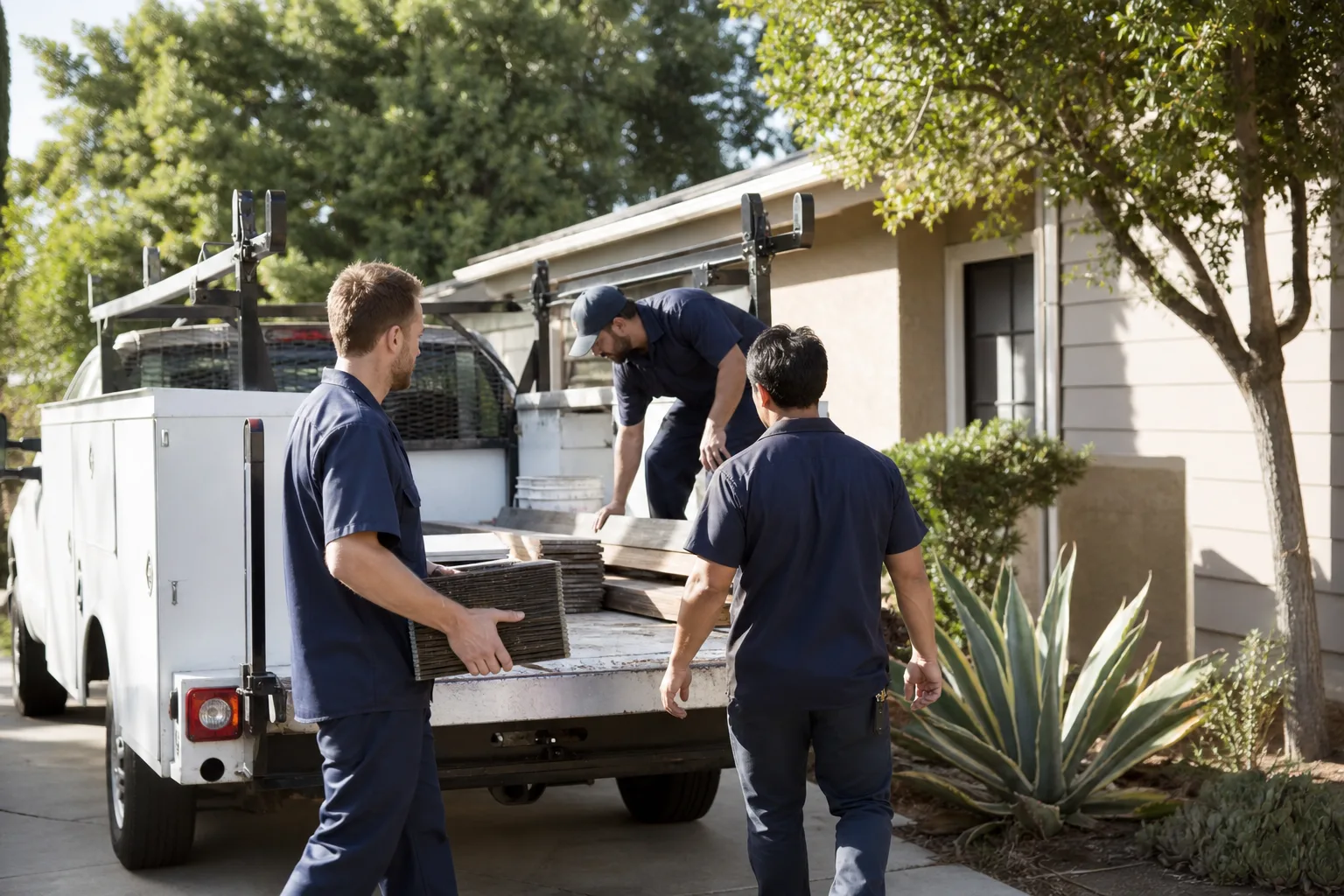
The most common false choice in this conversation is DIY versus full-service. There is a third option, and for a confident homeowner working with a professional contractor, it’s often the best value. We call it a hybrid: you handle the scope that doesn’t carry permit exposure or warranty risk, and we handle the scope that does.
Where homeowners consistently save real money on a hybrid project:
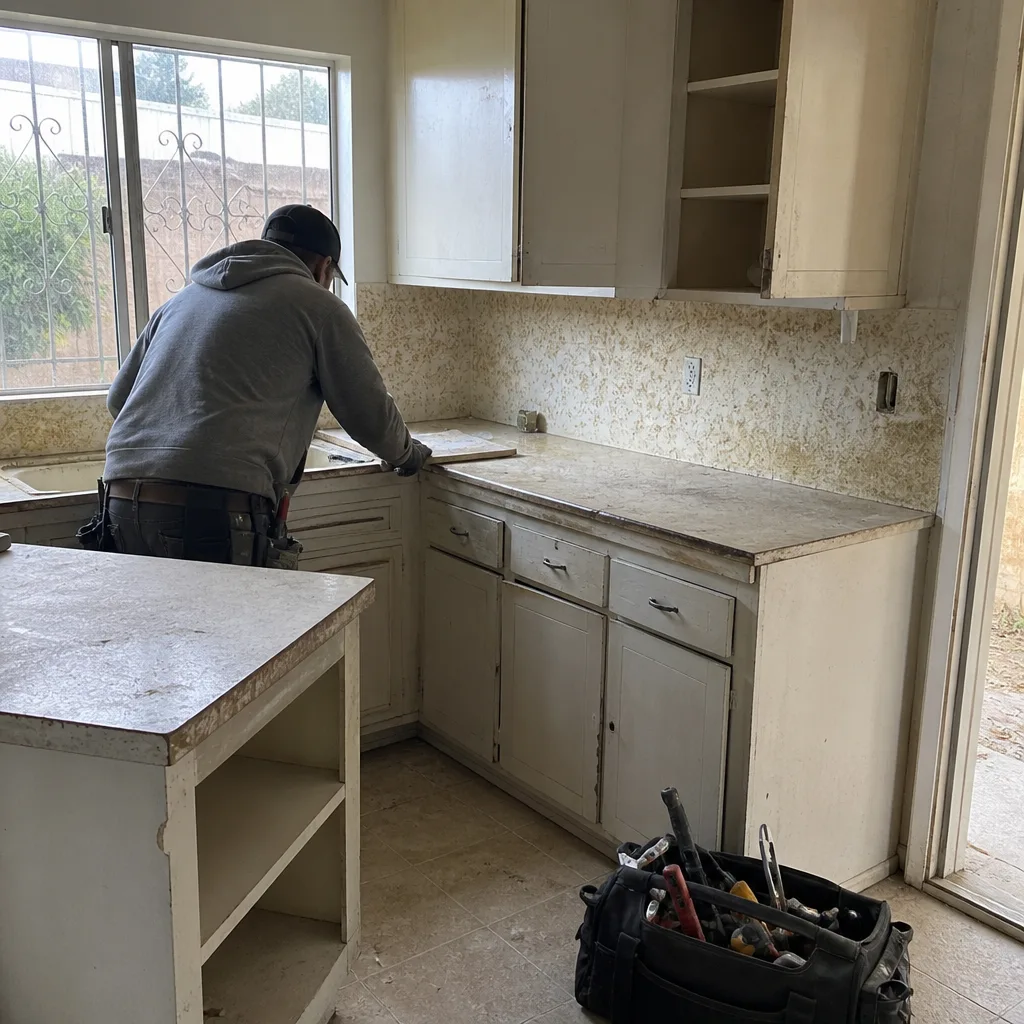
- Demolition and haul-away: Demo is labor-intensive but low-skill. If you handle demo and disposal on a kitchen or bathroom remodel, you cut a real cost off the project without touching the technical scope.
- Interior paint and finish work: Paint is a no-permit, no-warranty-risk category. Painting after professional drywall, trim, and cabinet installation is a genuine cost reduction.
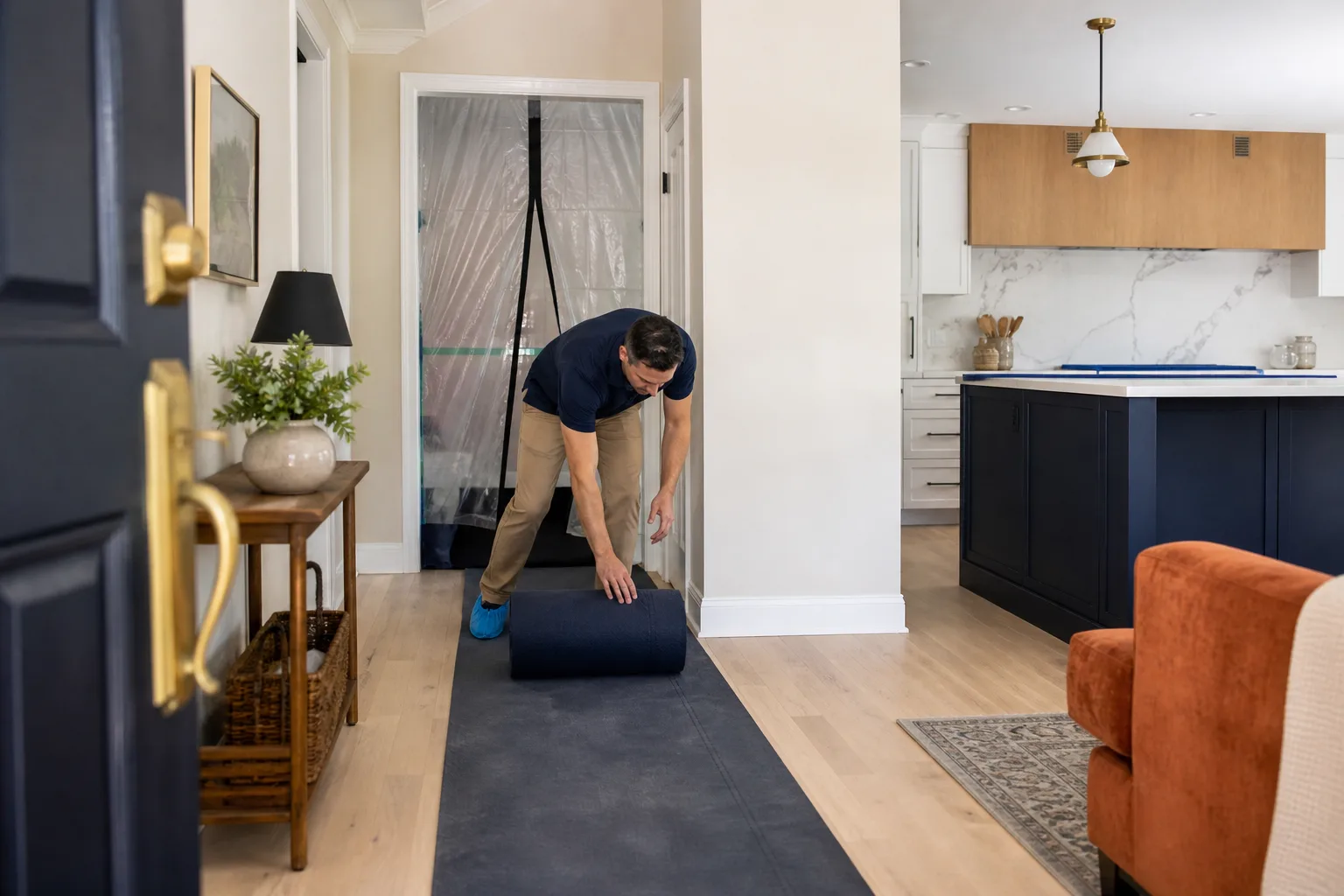
- Staging and site preparation: Clearing a work area, moving furniture, protecting floors, and coordinating material delivery are all homeowner-handleable.
- Material selection and product research: You already know what you want. Choose from Cambria, Silestone, or Caesarstone for counters, pick your tile, and hand the specification list to your contractor. The specification work is not the labor.
Where a hybrid gets expensive fast, and where we push back on homeowner handling:
- Cabinet installation (warranty and alignment risk).
- Countertop templating and installation (a fabrication problem, not a carpentry problem).
- Anything on the electrical panel, gas line, or plumbing system.
- Any wet-area fit-out, including shower pans and waterproofing.
- Any work that requires an inspection to pass.
Done correctly, a hybrid reduces the project cost without moving any of the licensed scope onto the homeowner. Done incorrectly, it moves the licensed scope onto the homeowner and the warranty off the material. The line is bright and it’s worth respecting.
The Coordination Cost Nobody Budgets For
There’s a third cost category in the DIY-versus-pro conversation that almost nobody tallies in advance: the coordination cost of managing multiple trades. A whole-home scope in Downey often touches roofing, windows, fencing, pavers, kitchen, and bathroom work. Each of those categories has its own named scope, its own material sourcing, and often its own permit exposure. Managing them separately means managing them yourself.
Every Downey homeowner who has coordinated separate subs knows the pattern. Roofer finishes, window contractor starts, window contractor finds that flashing needs to be re-done because the roofer didn’t coordinate the transition, and now you’re mediating between two contractors who each believe their scope was complete. This is not a comment on the trades. It’s the natural cost of a scope boundary that lands on you.
The alternative we offer through Construction Downey is a single accountable contractor across the seven service lines we cover. Roofing, windows and doors, fencing, driveways and pavers, home additions and ADUs, kitchen remodeling, and bathroom remodeling all sit under one contract for us. When the window scope touches the roofing scope, that’s one conversation, not two. It doesn’t reduce the amount of work. It reduces the number of places a gap can open.
See the difference
 Before
 After
 Before
 After
 Before
 After
Common Mistakes to Avoid
- Assuming the owner-builder permit makes everything legal: It doesn’t. It allows you to act as your own general contractor and to schedule inspections on work you are qualified to do. Any scope that requires a licensed trade still requires a licensed trade.
- Opening a wall in a pre-1980 home without checking what’s behind it: Knob-and-tube wiring and galvanized plumbing are common in older Downey homes, and disturbing them triggers a code correction. Confirm the system before you cut.
- Buying material without confirming the installer’s spec: James Hardie, GAF, and Cambria all publish installation specifications that warranty the product. Purchasing material against the wrong spec voids the warranty before installation even starts.
- Handling kitchen electrical yourself to save cost: Electrical scope on a kitchen remodel is where most DIY budgets break. A branch circuit relocation is not a device swap, and the inspection doesn’t grade on effort.
- Skipping the permit to save timeline: Unpermitted work shows up at resale, and correcting it retroactively is more expensive than the original permit. The buyer’s inspector is thorough and the disclosure form is unforgiving.
- Assuming you can do a shower pan yourself because the tile set is straightforward: Waterproofing in a wet area is the single highest-failure DIY scope we see, and the failure is invisible for the first year.
- Not asking for a written scope from each professional you hire: The single biggest cost driver on a multi-trade project is scope gaps between contractors. Confirm in writing what is and isn’t covered.
When to Call a Professional
Call a professional if any part of your project touches the electrical service panel, gas lines, plumbing system modification, structural modification, wet-area waterproofing, or roofing. Call if you don’t know what’s behind the wall, in a pre-1980 home especially. Call if the project requires an inspection to pass, because a failed inspection at the correction phase costs more than a professional install at the beginning phase. Call if the material you’re installing carries a warranty that conditions on professional installation, because self-installation voids it. Call if the coordination scope spans more than one trade, because a single contractor across every project is cheaper than mediating between two.
Construction Downey offers free estimates in Downey. Call (844) 312-0107 to schedule yours. We answer 24/7. Fast dispatch from 7am to 7pm, Sunday through Friday.
Frequently Asked Questions
Yes, if you own and occupy the property as your residence. California’s owner-builder permit rules allow an owner-occupant to pull a permit and act as their own general contractor on certain categories of work. The permit does not make licensed trade work legal to self-perform, and it does not exempt the work from inspection. If you rent the property out, the owner-builder permit is not available.
Cosmetic and non-structural work typically does not require a permit. Interior paint, finish carpentry, flooring installation, surface-level paver work, and simple fencing are the categories most homeowners self-perform. Any scope touching structural framing, the electrical panel, gas lines, plumbing system modification, roofing replacement, or window and door opening changes requires a permit and often a licensed contractor.
You correct it and pay for the re-inspection, and you carry the cost of the correction. If the correction involves a licensed trade, that cost lands on you too. In older Downey homes, a failed inspection on a disturbed system often triggers a full-system upgrade, which is why the correction cost frequently exceeds the original professional quote. Call (844) 312-0107 for a free estimate on the correction scope before you proceed.
No. Our warranty covers the scope we perform. If you handle the electrical rough-in and we handle the finish work, our warranty applies to the finish work only. We recommend confirming in writing where each scope begins and ends on any hybrid project, so the warranty boundary matches the work boundary.
It often does. GAF, CertainTeed, Owens Corning, Cambria, Silestone, Caesarstone, James Hardie, KraftMaid, and Wellborn all publish installation specifications that condition the warranty. Homeowner installation against the wrong specification voids the warranty, and the void is not reversible retroactively. This is the single most common hidden cost of DIY on warranty-bearing materials.
Handle demolition, interior paint, and finish work yourself, and let a licensed professional handle cabinet installation, countertop templating, gas line relocation, and electrical. That split reduces the project cost without voiding warranties or moving licensed scope onto you. The materials still need to be specified correctly, so choose from Cambria, Silestone, or Caesarstone and pass the specification to your contractor.
The Bottom Line
In Downey, the DIY versus professional question is less about whether you can do the work and more about whether the work is legal, insurable, warrantable, and inspection-safe if you do. Cosmetic and non-structural scope is genuinely yours. Anything touching the electrical panel, gas lines, plumbing system modification, structural framing, wet-area waterproofing, or roofing is not, regardless of skill, and older Downey homes add a second layer of risk because disturbed systems trigger code corrections. The hybrid approach, where you handle demo, paint, and staging while a licensed professional handles the technical scope, is the real cost-reduction path. A single contractor across every trade removes the coordination cost that DIY and multi-sub management both create.
Ready to price your project? Call (844) 312-0107 for a free estimate. We answer 24/7. Fast dispatch from 7am to 7pm, Sunday through Friday. One contractor across every project, from the driveway to the roofline.
Written by the team at Construction Downey.