Last updated November 17, 2026
Free written scope consultation - allowances, timeline, and change-order rules on paper before a single trade is scheduled
Construction Cost Breakdown: The Downey Homeowner’s Reference for 2026
Most homeowners start renovation research with a national cost average, and that’s the first mistake. A kitchen remodel budgeted at the national median sounds generous until you price it in Downey, where LA County labor rates, California material costs, and valuation-based permit fees stack on top of each other. The gap isn’t anyone overcharging you. It’s a benchmark built for a different market. This guide replaces national averages with trade-by-trade ranges grounded in what Downey projects actually cost in 2026, what moves the number between tiers, and where the lowest bid tends to hide its shortcuts.
Styles & brands we work with
- Kitchen remodeling
- Bathroom remodeling
- Home additions & ADU
- Roofing
- Windows & doors
- Driveway & pavers
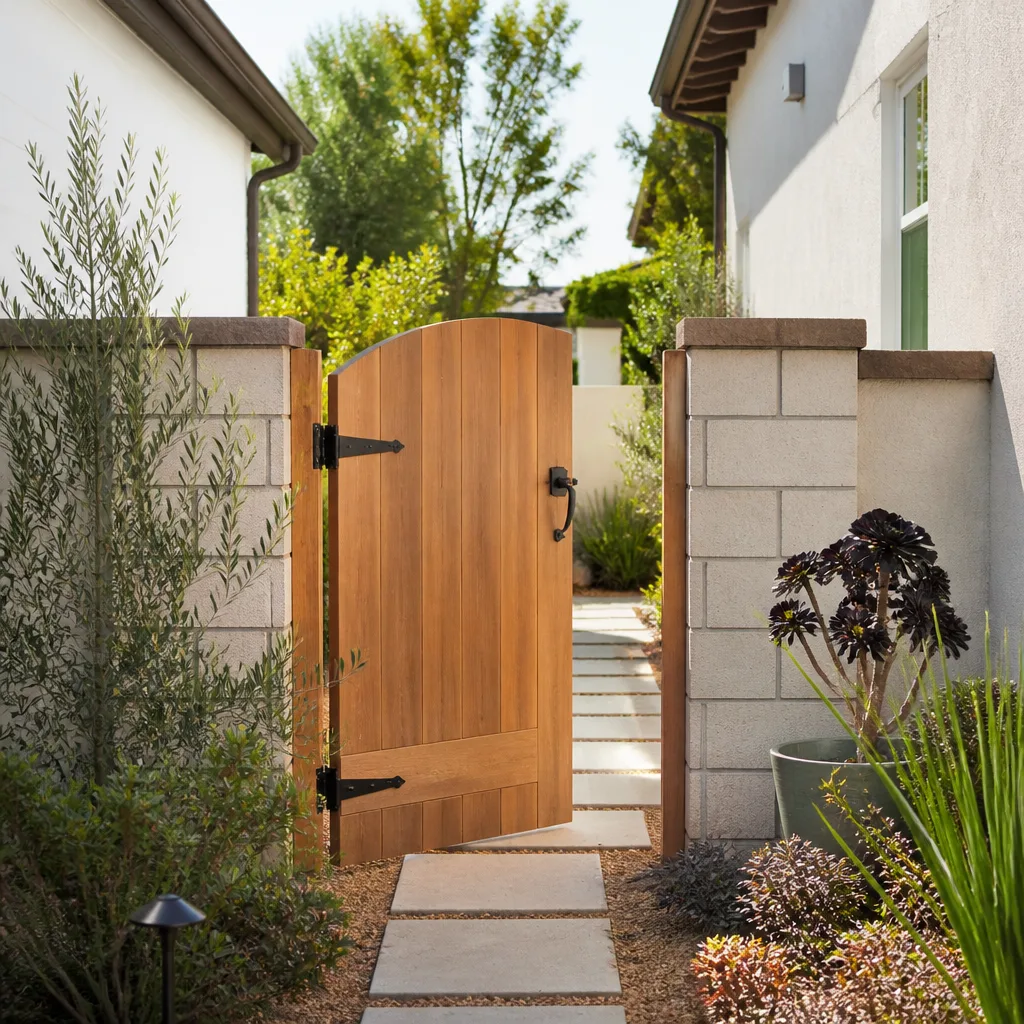
- Fence
Quick Answer
Construction costs in Downey in 2026 typically run 20-35% above national averages because of LA County labor rates, California material premiums, and permit fees calculated on project valuation. A mid-range kitchen lands roughly $42,000-$68,000, a bathroom $18,000-$34,000, a full roof replacement $14,000-$28,000, and a detached ADU $180,000-$320,000. The written estimate always sets the final price.
Table of Contents
- Why Construction Costs More in Downey Than the National Average
- Roofing Costs in Downey
- Driveways, Concrete, and Paver Costs in Downey
- Kitchen Remodel Costs in Downey
- Bathroom Remodel Costs in Downey
- Home Addition and ADU Costs in Downey
- How Downey Permit Fees Work and Why They Matter
- SoCal Material Costs: What Carries a Premium and What Stays Stable
- Bundling Trades Under One Contractor vs. Managing Vendors Separately
- Common Mistakes to Avoid
- When to Call a Professional
- Frequently Asked Questions
- The Bottom Line
Why Construction Costs More in Downey Than the National Average
Three forces push Downey project prices above the numbers you’ll find on national cost calculators, and all three are structural rather than temporary.
The first is labor. LA County carries some of the highest construction labor rates in the country. Tradespeople here earn more, and that difference flows directly into every hour of framing, tile setting, electrical rough-in, and finish carpentry on your project. A crew day in Downey costs meaningfully more than the same crew day in a Midwest metro, and there’s no way around that math.
The second is California’s code environment. Title 24 energy standards govern appliances, windows, insulation, and lighting in ways that raise material costs and require compliant products at every turn. That’s a good thing for your long-term utility bills and resale value, but it narrows the product field to options that meet a stricter standard than most states require.
The third is permit cost, which we cover in depth below. Downey calculates permit fees based on declared project valuation, so the fee scales with scope in a way flat-fee jurisdictions don’t replicate.
Together, these three factors account for the 20-35% gap between Downey costs and the national benchmarks you’ll read online. That range is a planning tool, not a quote. For an exact figure, the written estimate is the number that governs, and ours are free.
Roofing Costs in Downey
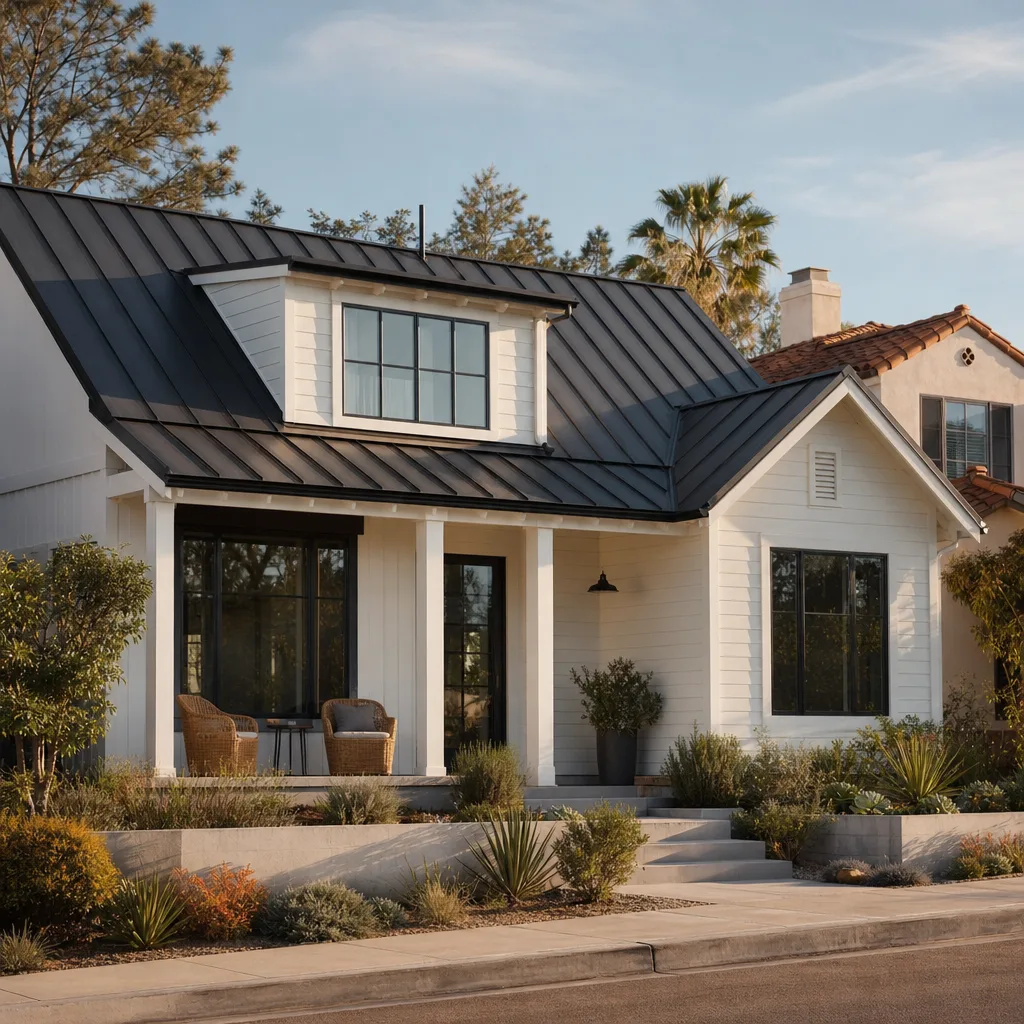
A full roof replacement on a typical Downey home runs roughly $14,000-$28,000 in 2026, with asphalt shingle systems at the low end and tile or higher-spec systems at the top.
The tiering looks like this:
- Low tier ($14,000-$18,000): architectural asphalt shingle, standard underlayment, basic flashing replacement, moderate roof complexity.
- Mid tier ($18,000-$23,000): premium shingle systems from GAF, CertainTeed, or Owens Corning, upgraded underlayment, full venting correction, fascia repair as needed.
- High tier ($23,000-$28,000): tile or heavier systems, structural reinforcement where the existing framing needs it, complex rooflines with multiple valleys and penetrations.
What moves the number most is roof geometry. A simple gable roof is faster to tear off and re-deck than a hip-and-valley layout with dormers, and labor scales with complexity. Decking condition matters too: if the sheathing underneath has soft spots from years of slow leaks, replacement decking adds cost that no roofing bid can predict until the tear-off is done. Insist that your estimate states a per-sheet price for decking replacement so the number doesn’t balloon mid-job.
Southern California’s dry, sunny climate is actually kind to roofs in one specific way: the absence of freeze-thaw cycling means fewer of the seasonal expansion and contraction cycles that open seams and crack flashing in colder markets. Heat is the bigger factor here, aging shingles and sealants faster on west- and south-facing slopes. That’s why attic ventilation and quality underlayment are worth paying for in Downey.
Driveways, Concrete, and Paver Costs in Downey
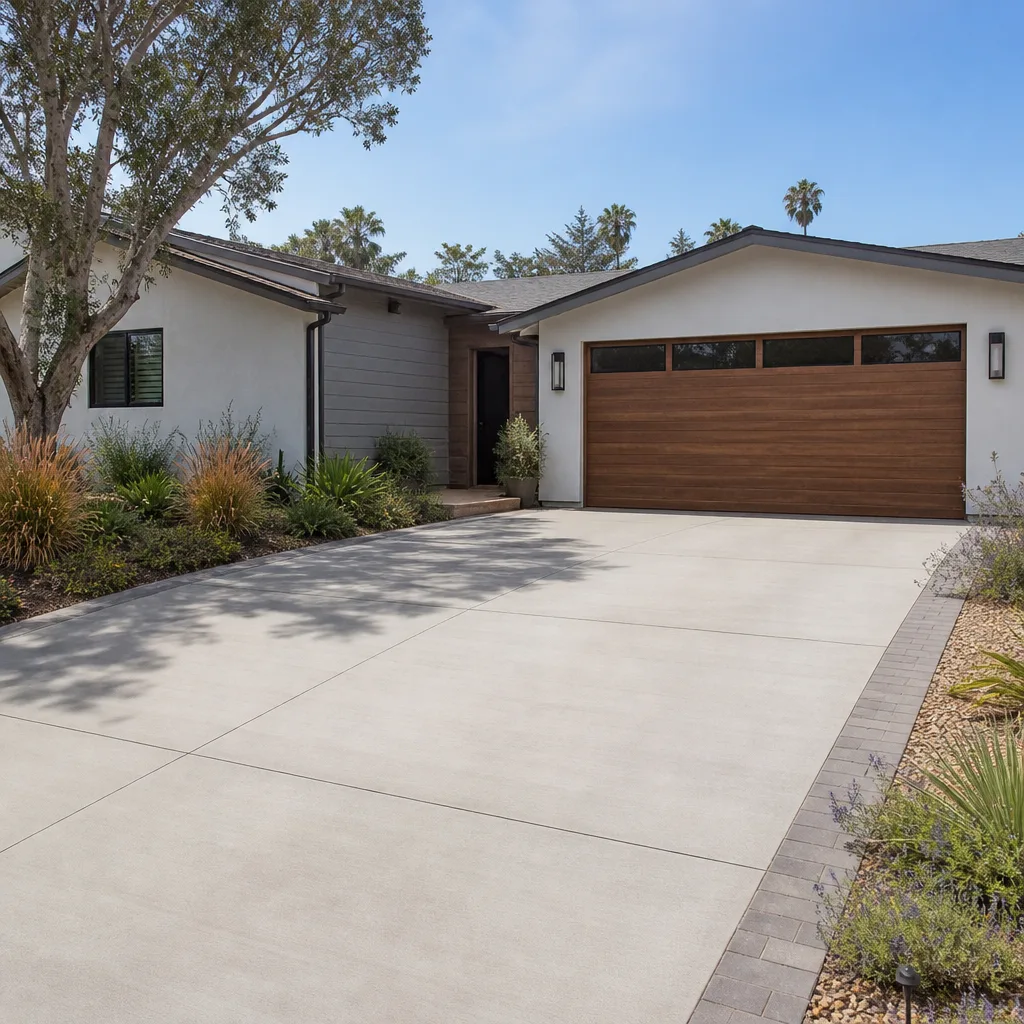
A new driveway in Downey runs roughly $9,000-$22,000 depending on square footage and surface material, with poured concrete at the low end and engineered pavers at the high end.
The ranges by material:
- Standard poured concrete ($9,000-$13,000): broom finish, standard thickness, typical two-car driveway.
- Engineered pavers ($14,000-$22,000): interlocking systems from Belgard, Tremron, Techo-Bloc, Cambridge Pavers, or Oldcastle, including base preparation and edge restraints.
- Premium hardscape ($18,000-$30,000+): large-format pavers, decorative borders, integrated drainage, permeable systems where site grading requires them.
Here’s where Downey driveways differ from national averages more than almost any other trade. Base preparation on expansive clay soils is non-negotiable, and the compacted aggregate base plus geotextile layer underneath a paver system adds real cost that a cheap bid will skip. Skipping it produces the call-back pattern every hardscape contractor knows: pavers that heave, settle, and shift within a few seasons. The base is the job.
Poured concrete also needs thoughtful joint layout in this climate. Thermal movement from summer heat is the enemy of slab integrity, so proper control joints and expansion joints against the house and hardscape edges protect the investment. Ask any contractor how they handle joints and drainage slope before you compare bids.
If your project pairs a new driveway with fencing or other exterior work, that’s a natural point to bring the trades together under one contract rather than sequencing separate vendors. Browse our driveway & pavers work for a sense of what’s possible on a typical Downey lot.
Kitchen Remodel Costs in Downey
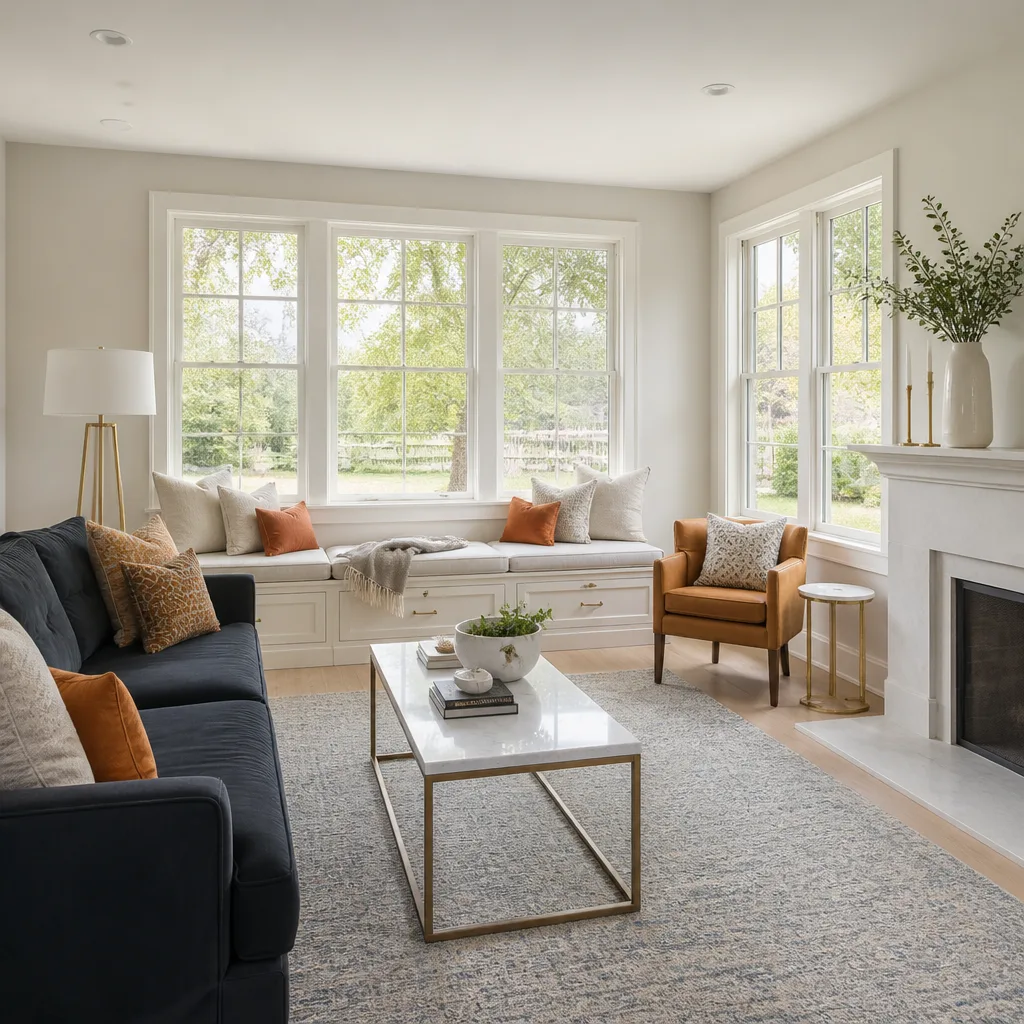
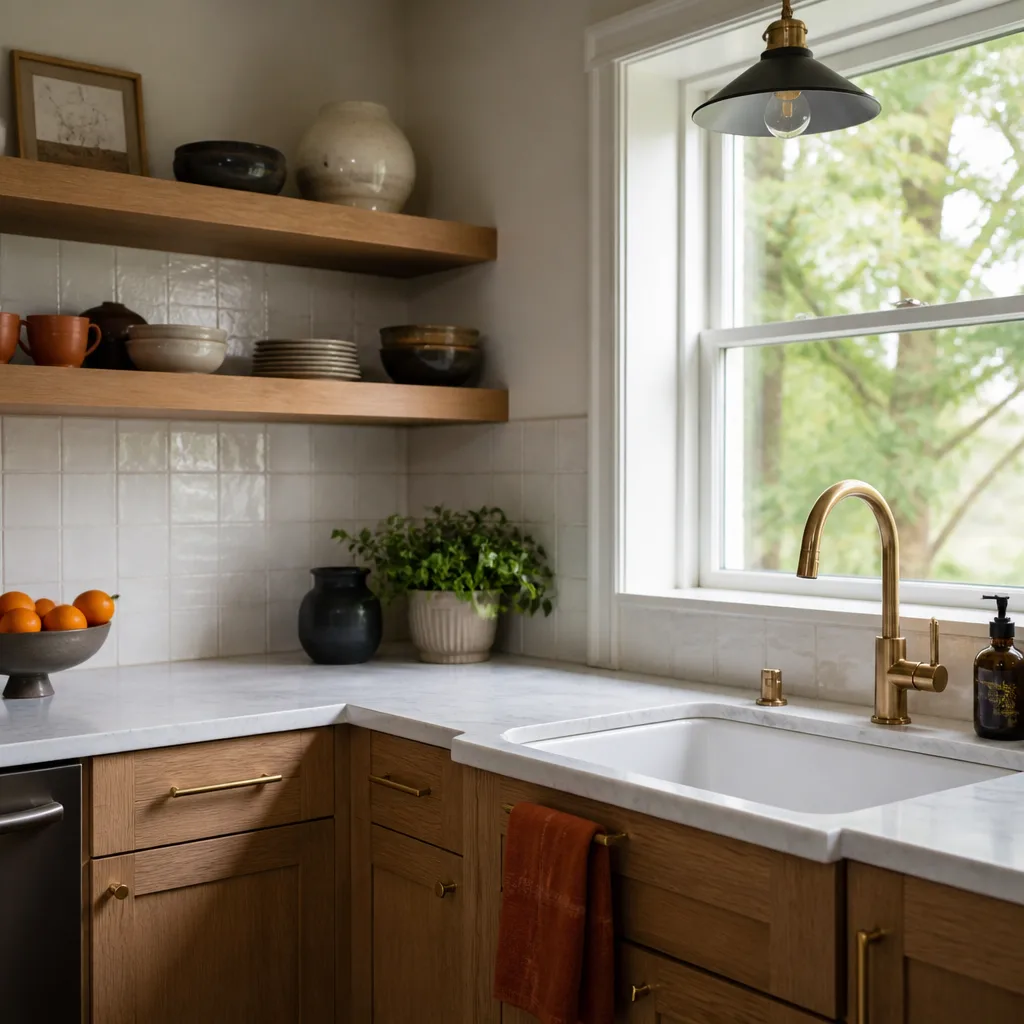
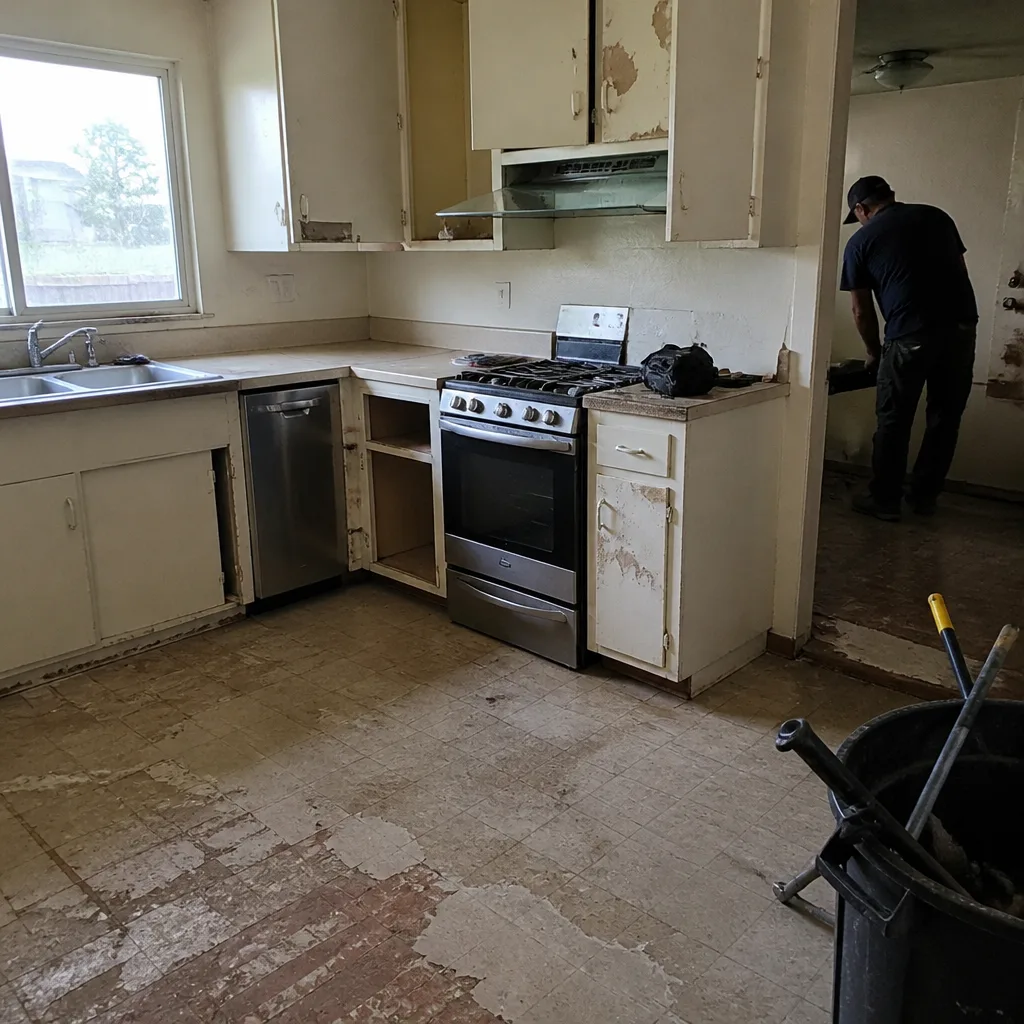
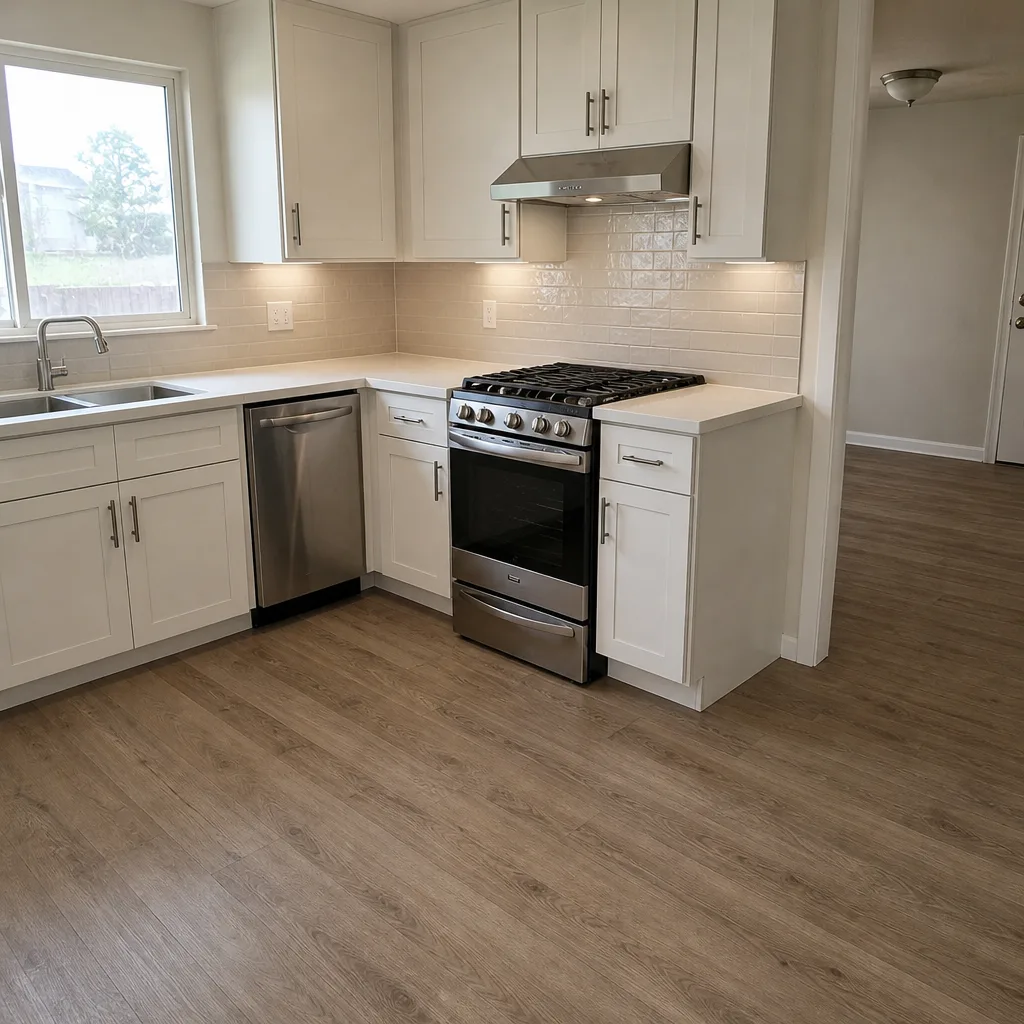
A kitchen remodel in Downey in 2026 typically costs $42,000-$68,000 for a mid-range full renovation, with cosmetic refreshes starting around $28,000 and high-end projects exceeding $85,000.
The three tiers break down like this:
- Cosmetic refresh ($28,000-$42,000): cabinet refacing or paint, new countertops, new appliances within existing layout, updated lighting and hardware, no plumbing or electrical relocation.
- Mid-range full remodel ($42,000-$68,000): new cabinet boxes from KraftMaid or Wellborn, quartz countertops from Cambria, Silestone, or Caesarstone, layout adjustments, new plumbing fixtures from Kohler, Moen, Toto, or Grohe, lighting and electrical updates.
- High-end ($68,000-$95,000+): layout reconfiguration, structural work, custom cabinetry, premium stone, professional-grade appliance packages, expanded storage.
Two variables dominate the swing between tiers. The first is whether you move plumbing or gas lines. Relocating a sink, range, or dishwasher changes the rough-in scope dramatically and adds inspection steps. The second is whether walls come down. Any change to structural walls in Downey requires engineering and permit review, which adds both cost and timeline.
Title 24 compliance also enters here in a way national cost guides ignore. Appliance selections and lighting must meet California efficiency standards, which narrows the field and occasionally raises the price of specific models. It’s a small premium with a real payoff in energy costs over the life of the kitchen.
Cabinet choice drives a meaningful share of the budget. KraftMaid and Wellborn are two of the most specified cabinet lines in professional remodeling for good reason: predictable lead times, deep door-style catalogs, and construction that holds up. Naming your cabinet line early in the planning process keeps the estimate accurate.
Bathroom Remodel Costs in Downey
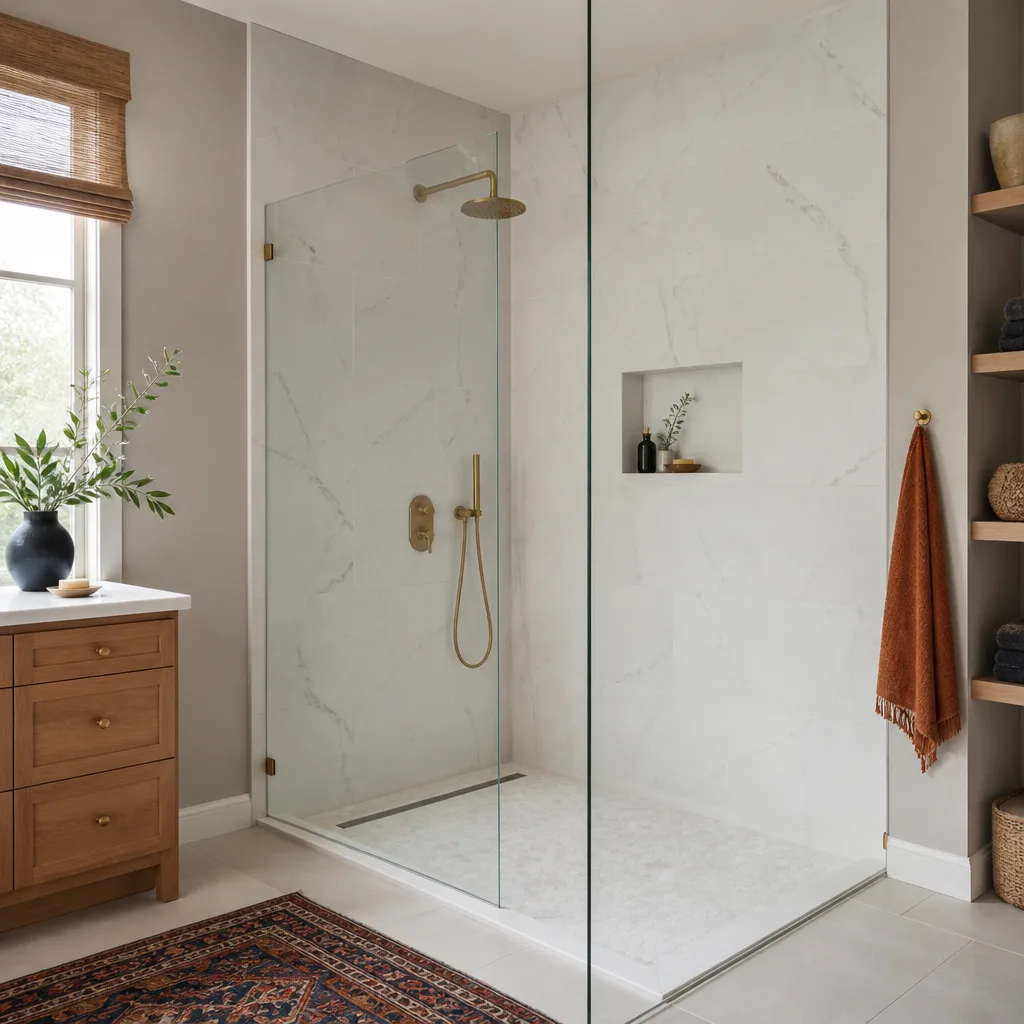
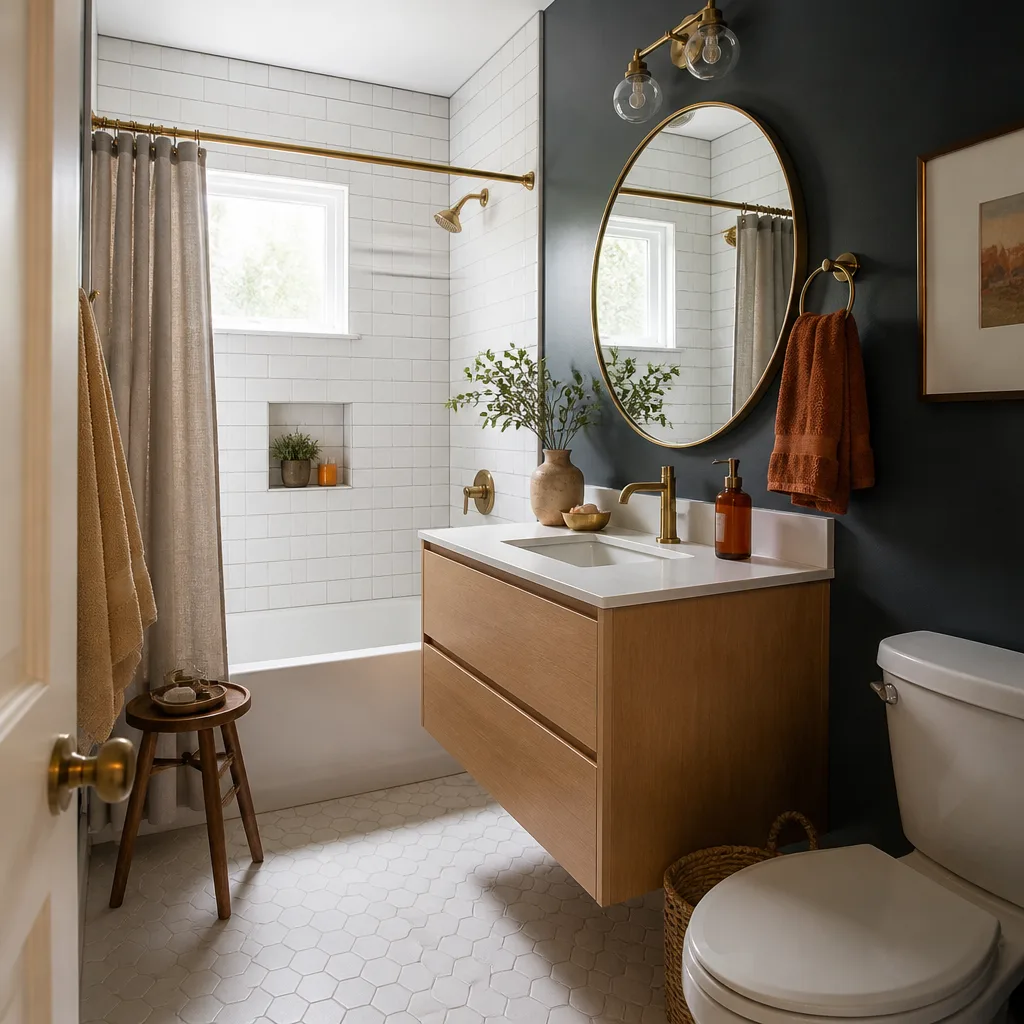
A bathroom remodel in Downey runs roughly $18,000-$34,000 for a mid-range full renovation, with a simple cosmetic update starting near $11,000 and a high-end primary bath exceeding $48,000.
Tier by tier:
- Guest or hall bath refresh ($11,000-$18,000): new tile, vanity, fixtures, paint, and lighting within the existing footprint.
- Mid-range full remodel ($18,000-$34,000): new shower or tub, tile throughout, relocated or upgraded plumbing fixtures from Kohler, Moen, Toto, or Grohe, ventilation upgrades, waterproofing to current standards.
- High-end primary bath ($34,000-$48,000+): curbless walk-in shower, freestanding tub, double vanity, premium tile, heated flooring, custom storage.
Waterproofing is where Downey bathrooms earn their cost. Modern practice calls for a full waterproof membrane behind tile in wet areas, not just cement board with a surface-applied coating. That membrane is invisible in the finished product and it’s also the single biggest determinant of whether your bathroom looks the same in fifteen years as it does the month after completion. Ask every bidder exactly what waterproofing system they use.
The other local factor is ventilation. Southern California bathrooms run humid and warm for much of the year, and an undersized exhaust fan leaves moisture in the room to work on grout, paint, and framing. A properly sized, correctly ducted fan is a small line item that protects everything else.
Home Addition and ADU Costs in Downey
A detached ADU in Downey costs roughly $180,000-$320,000 in 2026 depending on whether you build traditionally or choose a prefab system, with attached additions ranging from $140,000 to $280,000 for comparable square footage.
The two build pathways differ meaningfully, and both are valid:
- Traditional stick-built: Fully custom design and construction on your lot. Highest design flexibility, typically the longest timeline, and cost driven by site conditions, foundation requirements, and finish level.
- Prefab ADU systems: Modules built off-site and installed on your foundation. Manufacturers like Abodu, Dvele, Mighty Buildings, Boxabl, and Plant Prefab offer options across price points and installation timelines. Faster site work, more predictable pricing, less design flexibility in some cases.
Which pathway fits depends on your timeline, your budget, and how much customization you want. We work with both, because matching the solution to the project matters more than picking a favorite. Your timeline, your material, your budget: we match the approach to what you actually need.
Site work is the sleeper cost in every Downey ADU project. Utility trenching, foundation engineering on local soils, grading, and access for delivery or construction equipment all add to the number, and none of them show up in the module price or the framing estimate. A complete quote itemizes site work separately so you can see it.
The most valuable first step for any ADU project in Downey is a feasibility check: lot size, setbacks, existing structures, and utility capacity. Learn more about the pathway on our home additions & ADU page.
How Downey Permit Fees Work and Why They Matter
Downey calculates building permit fees on declared project valuation, which means your permit cost scales directly with the scope number you put on the application.
This has two practical consequences for homeowners.
The first is that permit cost isn’t a fixed line item. A larger declared valuation produces a larger fee, so the permit line in your estimate should always state the valuation basis used. If a bid simply lists “permits” with a round number and no explanation, ask how it was derived.
The second is more important. Under-declaring scope to lower the permit fee is a bad trade. Most cities require a permit for structural work, electrical, plumbing, and mechanical changes, so ask your city’s building department what applies to your project before work begins. If an inspection later reveals unpermitted work, the cost to correct it usually exceeds the fee you saved, and it can complicate the sale of the house. Declare the scope accurately, pull the permits, and pass the inspections.
At Construction Downey, permits are pulled and inspections passed as part of the job, and the written estimate states what’s included so nothing about the permit line is a surprise. That’s ordinary practice, not a favor.
SoCal Material Costs: What Carries a Premium and What Stays Stable
Not all building materials behave the same way in the Southern California supply chain. Understanding which products carry regional premiums and which stay price-stable helps you plan a budget that holds.
Materials that tend to carry a regional premium in this market:
- Tile and stone: Heavy, fragile, and often imported. Freight and handling add meaningfully to the delivered cost, and lead times on specialty selections can extend a schedule.
- Imported cabinetry and specialty finishes: Custom and imported lines trade price stability for selection range. Locking a cabinet line early protects the number.
- Framing lumber: Volatile nationally, and the volatility lands on your project directly when the framing package is bid late.
Materials that stay comparatively stable:
- Engineered quartz countertops: Cambria, Silestone, and Caesarstone all maintain well-established distribution across Southern California, so pricing is predictable and selection is deep.
- Engineered pavers: Modular product lines from Belgard, Tremron, Techo-Bloc, Cambridge Pavers, and Oldcastle are stocked or produced regionally and price with a consistency commodity concrete can’t match.
- Asphalt shingle roofing systems: GAF, CertainTeed, and Owens Corning systems have deep regional distribution, which keeps material costs stable even when labor costs climb.
The strategic takeaway: choose materials with established regional distribution when you want cost certainty, and accept schedule risk when you choose a specialty product for its look. Both are legitimate choices. Just make them knowingly before the contract is signed, not after.
Bundling Trades Under One Contractor vs. Managing Vendors Separately
Bundling multiple trades under one contractor typically saves 8-15% on a mid-scope project compared to managing separate vendors, and the savings come from coordination rather than discounting.
Here’s how that works in practice. When you hire a roofer, a fencing contractor, a paver installer, and a kitchen remodeler separately, you pay each one to mobilize, site-protect, and manage their own scope. You also absorb the coordination cost yourself: schedule conflicts, sequencing decisions, and the question of who’s responsible when one trade’s work interferes with another’s. That coordination is real work, and it costs real money whether you pay it to a general contractor or spend it yourself in time and stress.
Under one contractor, mobilization is shared, sequencing is planned once, and accountability is single. If the fence and the driveway meet at the same corner of the property, one contractor plans that junction instead of two vendors discovering it on install day.
A realistic dollar example on a mid-scope project bundling exterior and kitchen work: separate vendor quotes often total 8-15% more than a single-contract scope of the same work, before you count the time you spend managing it. That’s the practical economics behind one contractor across every project, from the driveway to the roofline.
For homeowners planning more than one project at a time, bundling also simplifies permitting and inspection scheduling. Two projects on one set of applications and one timeline is simpler than two parallel permit processes.
Common Mistakes to Avoid
- Budgeting from national averages. A national cost calculator reflects a different labor market and a lighter code environment. Downey projects run meaningfully higher, and a budget built on benchmark numbers leaves you short at the wrong moment.
- Choosing the lowest bid without checking the license status. The lowest bid in Downey usually means either a material downgrade or an unlicensed labor component. Verify contractor licensing and ask for a certificate of insurance before signing anything. A bid that seems unusually low is telling you where the corners are.
- Accepting a verbal scope. A written line-item estimate protects you in a way a lump-sum number never can. If the bid doesn’t itemize materials, labor, permits, and cleanup, you don’t yet know what you’re buying.
- Under-declaring scope on your permit application. Since Downey fees are valuation-based, the temptation to lower the declared number is real. The correction cost after an inspection usually exceeds the savings, and unpermitted work surfaces at the worst time: sale or refinance.
- Choosing a specialty material without checking lead time. Imported tile or a custom cabinet line can extend your schedule by weeks. If the material doesn’t have regional distribution, plan the timeline around its delivery, not the other way around.
- Skipping base preparation on pavers or waterproofing in showers. Both are invisible in the finished product and both determine whether the work lasts. Ask specifically what’s underneath.
- Managing five vendors on one project. The coordination cost of separate trades is real, and it falls entirely on you when no single contractor owns the schedule and the accountability.
When to Call a Professional
Some work in Downey is worth a call before you touch anything. If your project involves structural changes, electrical panel or wiring work, gas line relocation, or anything requiring a permit, the safety and legal stakes make professional work the right call. The same is true if your roof shows signs of age or storm damage, if your driveway or pavers are heaving and shifting, or if you’re planning a kitchen, bathroom, or ADU that needs multiple trades coordinated under one schedule.
Construction Downey brings seven service lines, roofing, windows and doors, fencing, driveways and pavers, home additions and ADU, kitchen remodeling, and bathroom remodeling, under one contractor, with recognized brands across every category. Our technicians have up to 11 years of experience, and we offer free estimates in Downey. Call (844) 312-0107. We answer 24/7. Fast dispatch from 7am to 7pm, Sunday through Friday.
Frequently Asked Questions
A kitchen remodel in Downey typically costs $42,000-$68,000 for a mid-range full renovation, with cosmetic refreshes starting around $28,000 and high-end projects exceeding $85,000. The swing between tiers comes down to whether you relocate plumbing or gas lines, remove structural walls, and upgrade appliances and cabinetry. Call (844) 312-0107 for an exact quote. Estimates are free.
LA County labor rates, California material premiums, and valuation-based permit fees push Downey project prices 20-35% above national benchmarks. None of these are temporary. Labor rates reflect the local market, code standards reflect state law, and permit fees reflect Downey’s own fee schedule. A budget built on national averages will fall short in this market. Call (844) 312-0107 to price your specific project. Estimates are free.
Not on a properly written scope. A line-item estimate that specifies materials, labor, permits, and contingency sets the price, and the written estimate is the number that governs. Changes you request mid-project or conditions hidden behind walls, like soft decking or out-of-code wiring, get priced in writing before work proceeds. Call (844) 312-0107 to schedule an estimate. Estimates are free.
Yes. Permits are pulled and inspections passed as part of the job, and the written estimate states what’s included in the permit line. Downey calculates permit fees on declared project valuation, so the estimate shows how that figure was derived rather than presenting an unexplained round number. Call (844) 312-0107 with questions about your project’s permit scope. Estimates are free.
Prefab ADU systems generally complete faster because the module is built off-site while site work proceeds, while traditional stick-built additions allow more design flexibility and typically run longer from design through completion. The biggest schedule variables are design approval, utility trenching, foundation work on local soils, and material lead times. Both pathways are valid. Call (844) 312-0107 or browse our home additions & ADU page. Estimates are free.
The lowest bid in Downey typically signals either a material downgrade you haven’t spotted or an unlicensed labor component. Verify license status and insurance before signing, and compare line items rather than totals. If the materials aren’t named, the labor isn’t described, and the permits aren’t specified, the bid is missing what you need to compare it fairly. For a transparent written estimate, call (844) 312-0107. Estimates are free.
The Bottom Line
Downey construction costs in 2026 run 20-35% above national averages for three structural reasons: LA County labor rates, California code and material costs, and valuation-based permit fees. A mid-range kitchen lands at $42,000-$68,000, a full bathroom at $18,000-$34,000, a roof at $14,000-$28,000, a paver driveway at $14,000-$22,000, and an ADU at $180,000-$320,000 depending on build pathway. Bundling trades under one contractor saves 8-15% on coordination. Choose materials with regional distribution for cost certainty, declare your scope accurately, and treat the written estimate as the number that sets the final price.
Ready to price your project? Call (844) 312-0107 to schedule your free estimate. One contractor across every project, from the driveway & pavers to the roofline, with recognized brands like GAF, CertainTeed, Owens Corning, Cambria, Silestone, Caesarstone, KraftMaid, and Wellborn across every trade. We also handle fence installation and full-scope home additions & ADU work. Return to our main Construction Downey page for the full range of services.
Written by the team at Construction Downey.
See the difference
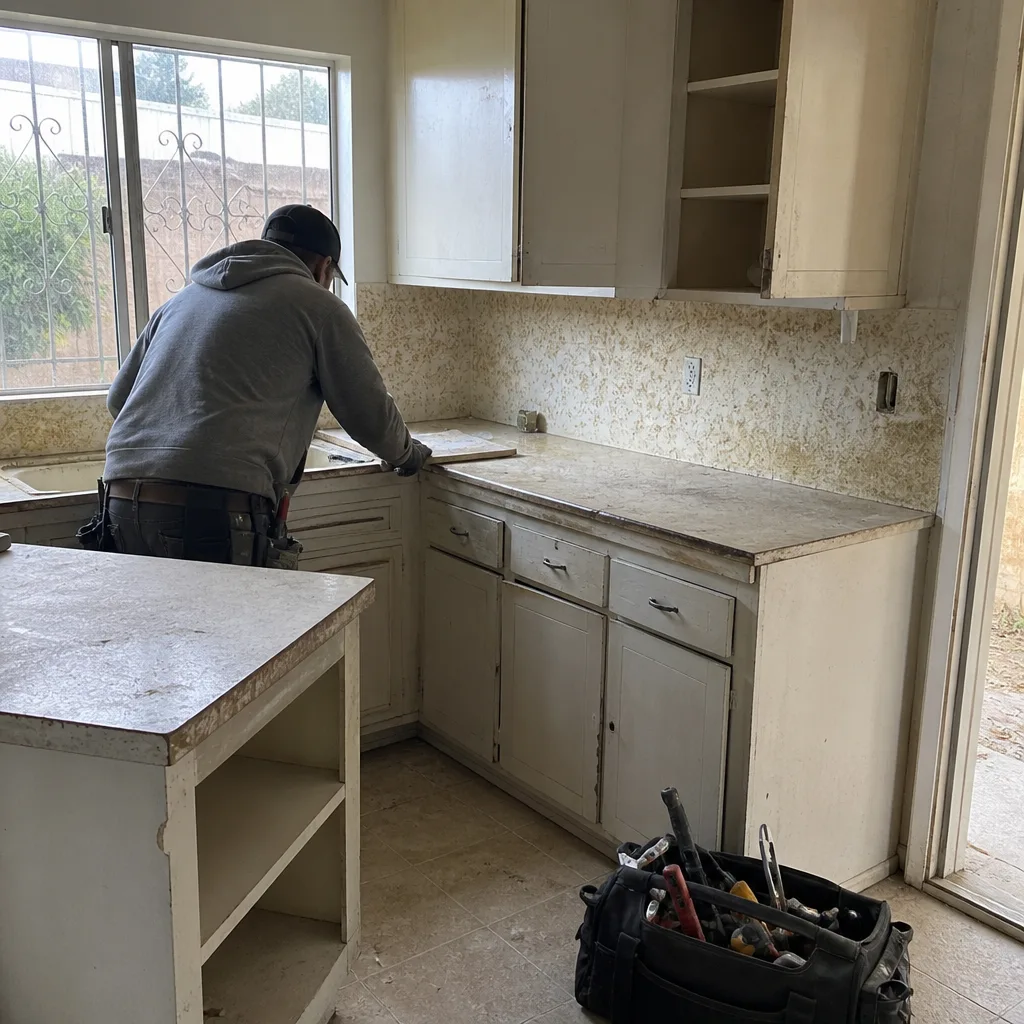 Before
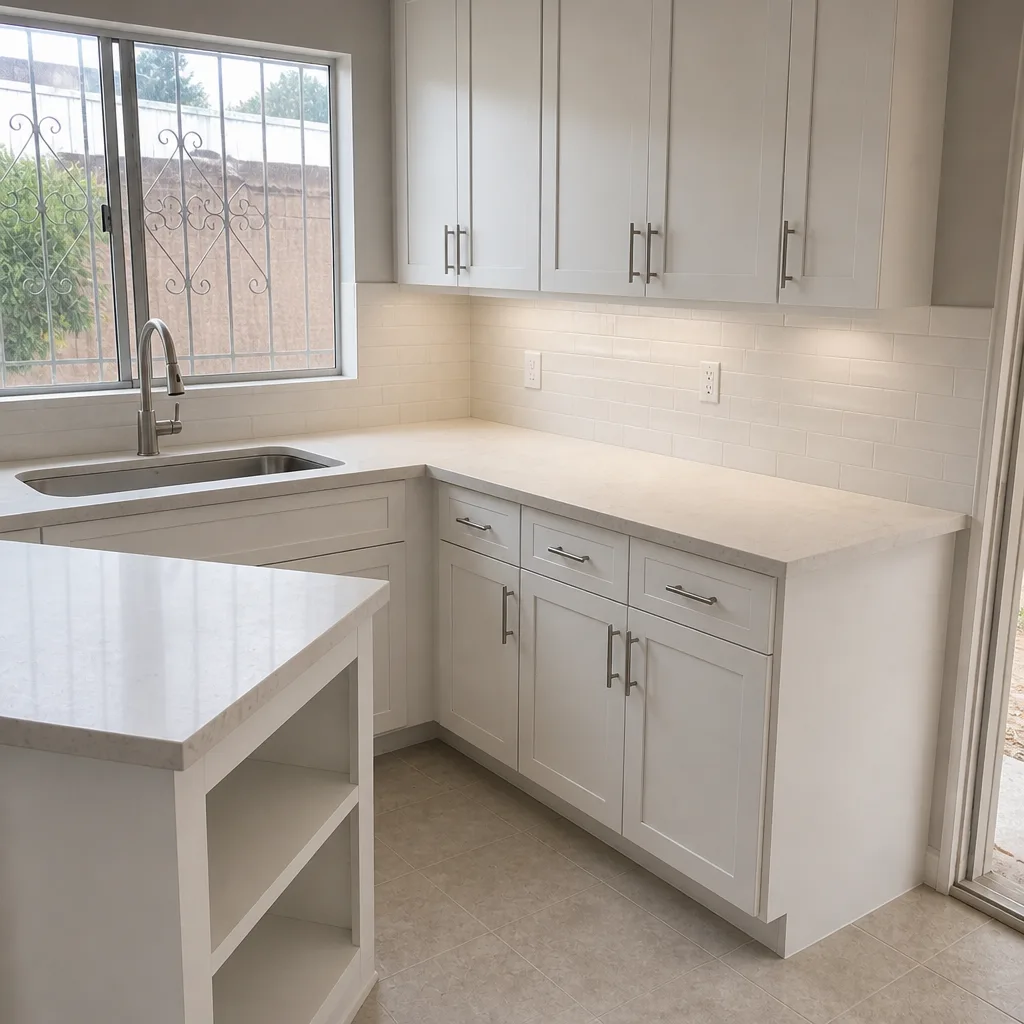 After
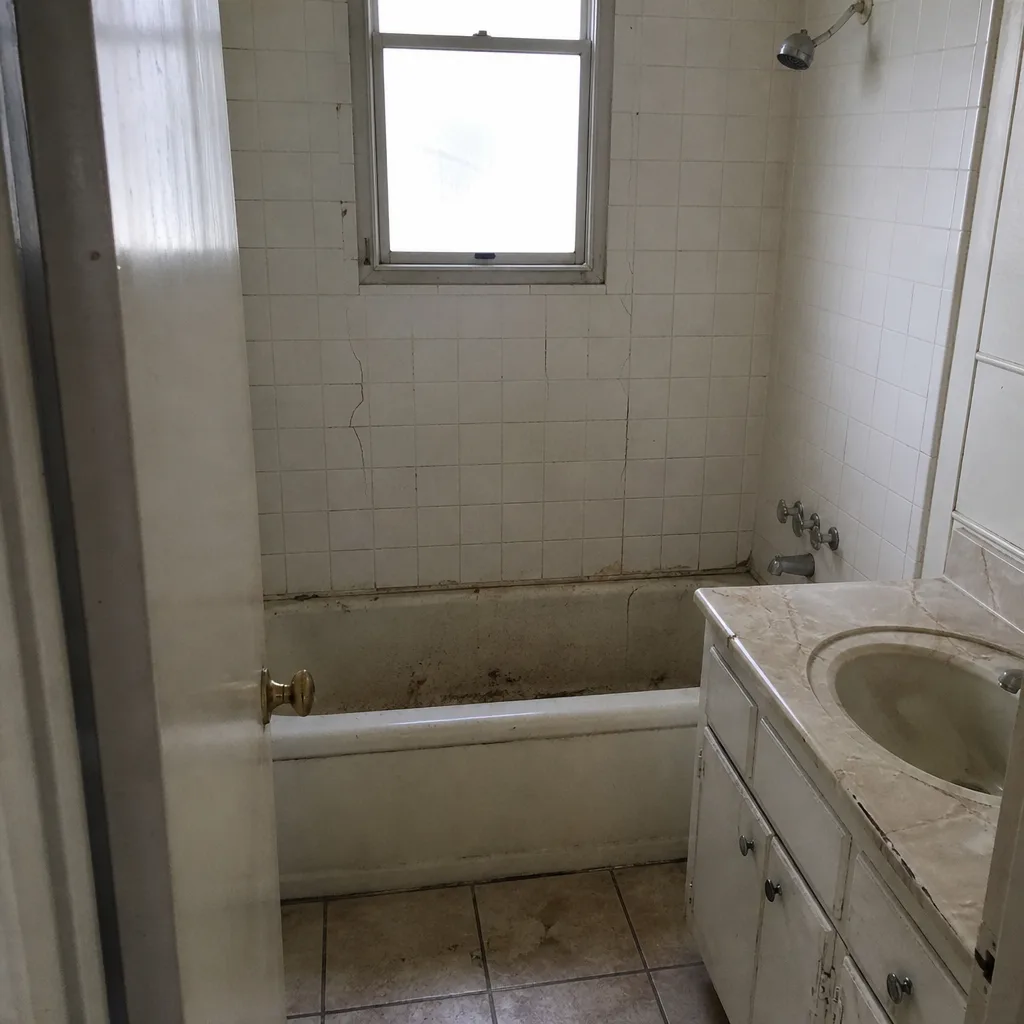 Before
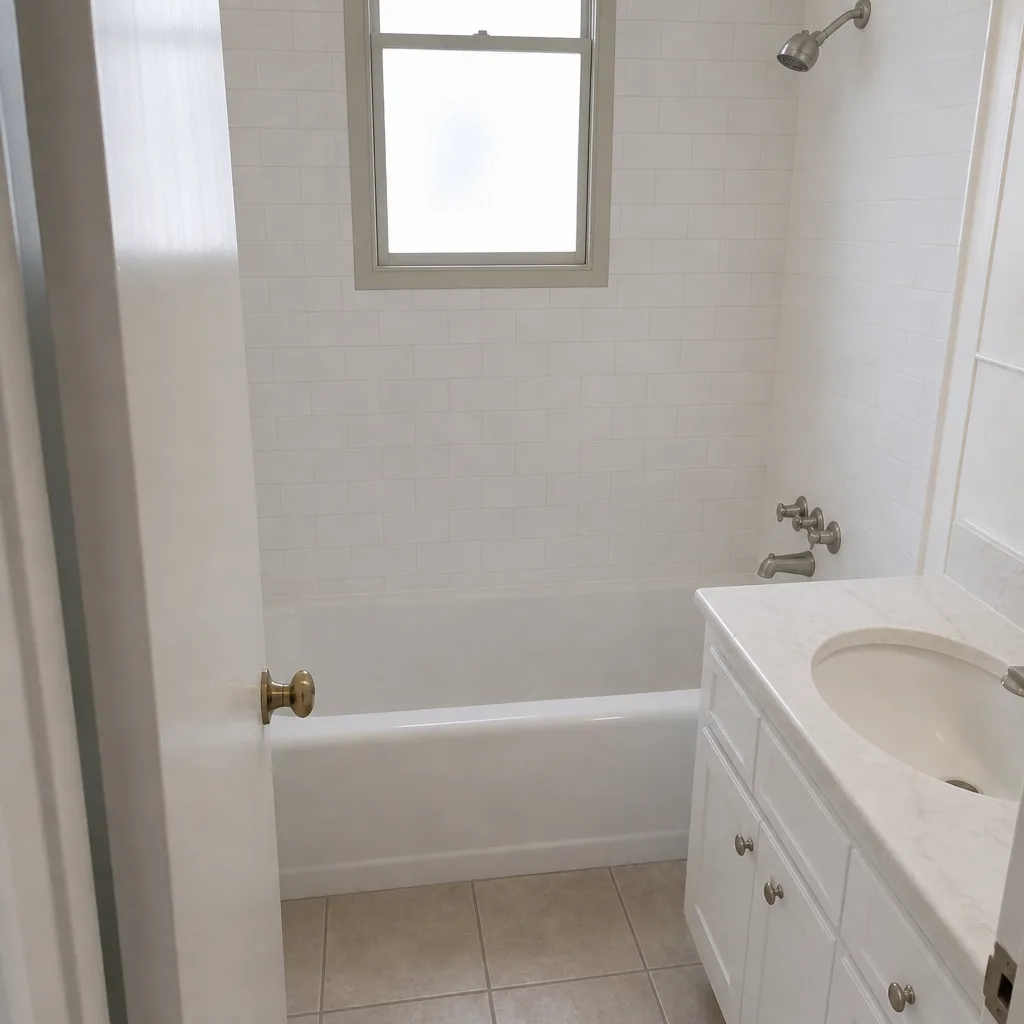 After
 Before
 After